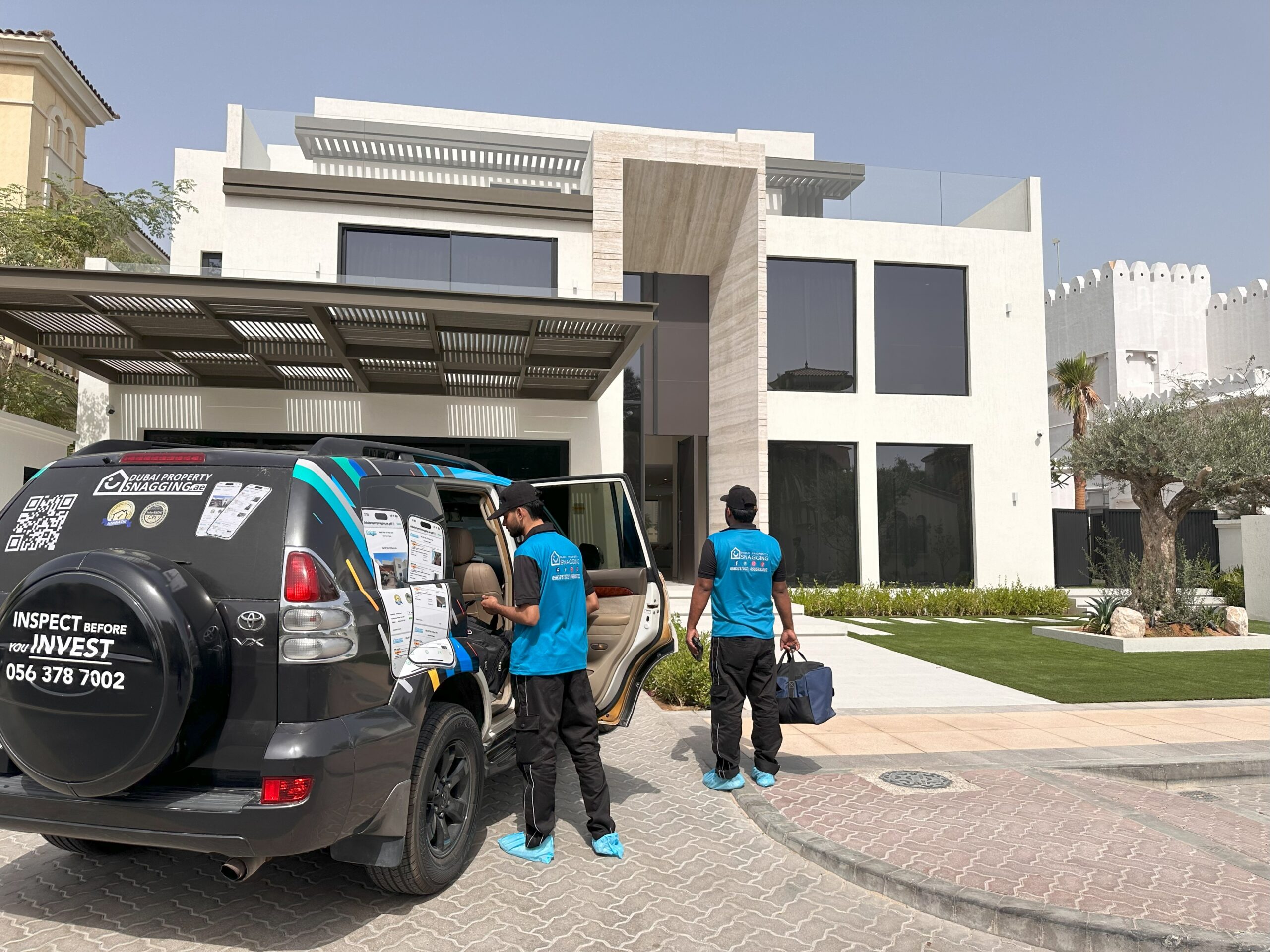
Purchasing a villa in Dubai represents a significant investment. Once you have selected the community, signed the documents and waited for construction to be completed, receiving the keys may seem like the last stage. It is not. Before you bring in furniture or treat the property as complete, it is advisable to carefully examine what has actually been handed over. A villa contains far more space, equipment and outdoor areas than a standard apartment, which means there are also more spots where faults can go unnoticed.This is where villa snagging becomes relevant.
A professional snagging inspection looks at the condition and functionality of the property and records defects that need to be corrected. It can cover everything from paint and flooring inside the house to drainage, external walls, air conditioning, plumbing, landscaping interfaces and other accessible systems.
For a new villa, completing this process before handover can save you considerable time and frustration later.
What Is Villa Snagging?
Villa snagging is a detailed inspection carried out to identify construction defects, unfinished work, poor workmanship and functional problems in a villa.
The inspection is not limited to cosmetic issues. A good inspection considers the property as a whole.
For example, an inspector may find:
- Cracked or uneven tiles
- Poor paint finishing
- Misaligned doors and windows
- Damaged cabinets
- Water leaks
- Poor bathroom drainage
- Air-conditioning problems
- Faulty electrical points
- Inadequate sealant
- Waterproofing concerns
- Cracks around external areas
- Problems with gates or garage doors
- Drainage issues around terraces or gardens
- Defects in accessible pool or outdoor equipment
Some defects are obvious as soon as you enter the villa. Others only become apparent when a fixture or system is tested properly.
That is why a methodical inspection is much more useful than simply walking through the property and looking around.
Why Is Villa Snagging More Involved Than Apartment Snagging?
A villa is not simply a larger apartment.
An apartment inspection is generally concentrated within the individual unit. A villa can have multiple floors, larger living areas, terraces, balconies, garages, gardens, external walls, gates, plant areas and several separate systems.
The property may also have more than one air-conditioning zone, additional bathrooms, larger kitchens, outdoor lighting, irrigation, water tanks, pumps or pool equipment.
This makes villa snagging more comprehensive than a basic visual inspection.
By comparison, apartment snagging usually concentrates on the internal unit, including rooms, bathrooms, kitchen, windows, doors, flooring, electrical fixtures, air conditioning and balconies.
Neither inspection is necessarily more important. The difference is the size, layout and systems involved.
What Does a Villa Inspection Cover?
The exact scope varies depending on the property, but a detailed villa inspection should consider both internal and external areas.
1. Walls and Ceilings
Walls and ceilings can reveal problems with finishing, plastering and painting.
An inspector may look for:
- Cracks
- Uneven surfaces
- Paint marks
- Poorly finished corners
- Water staining
- Visible dampness
- Poor joints
- Inconsistent finishing
Large cracks or signs of moisture deserve particular attention because they may indicate something more significant than a cosmetic defect.
2. Floors and Tiles
Flooring covers a large area in most villas, so small installation problems can quickly become noticeable after moving in.
Checks can include visible damage, uneven tiles, grout problems, gaps, chipped edges, loose tiles and poor transitions between different floor finishes.
Bathrooms, balconies and terraces also deserve attention because drainage and falls are important in areas exposed to water.
3. Doors and Windows
Every door and window should be checked for normal operation.
Look for:
- Difficulty opening or closing
- Misalignment
- Damaged frames
- Scratches or cracks
- Faulty locks
- Poor seals
- Gaps
- Problems with handles or hinges
Large villas often have many doors and windows, so it is easy to overlook one during a rushed handover.
4. Kitchen and Built-In Cabinets
The kitchen is another area where finishing defects are common.
Cabinet doors and drawers should open and close properly. Countertops, sinks, taps, splashbacks and visible plumbing connections should also be checked.
Inspectors can look for damaged surfaces, poor alignment, gaps, loose fittings and unfinished sealant.
Built-in wardrobes throughout the villa should receive similar attention.
5. Bathrooms and Plumbing
Bathrooms deserve more than a quick visual check.
The inspection can include accessible taps, toilets, showers, sinks, drainage points, sealant and visible plumbing connections.
Water-related defects are particularly important because a small leak or drainage problem can eventually cause damage to flooring, cabinets, walls or ceilings.
6. Air Conditioning and HVAC
Dubai’s climate makes air conditioning one of the most important systems in any home.
A villa can have several AC zones, making the system more complicated than in a small apartment.
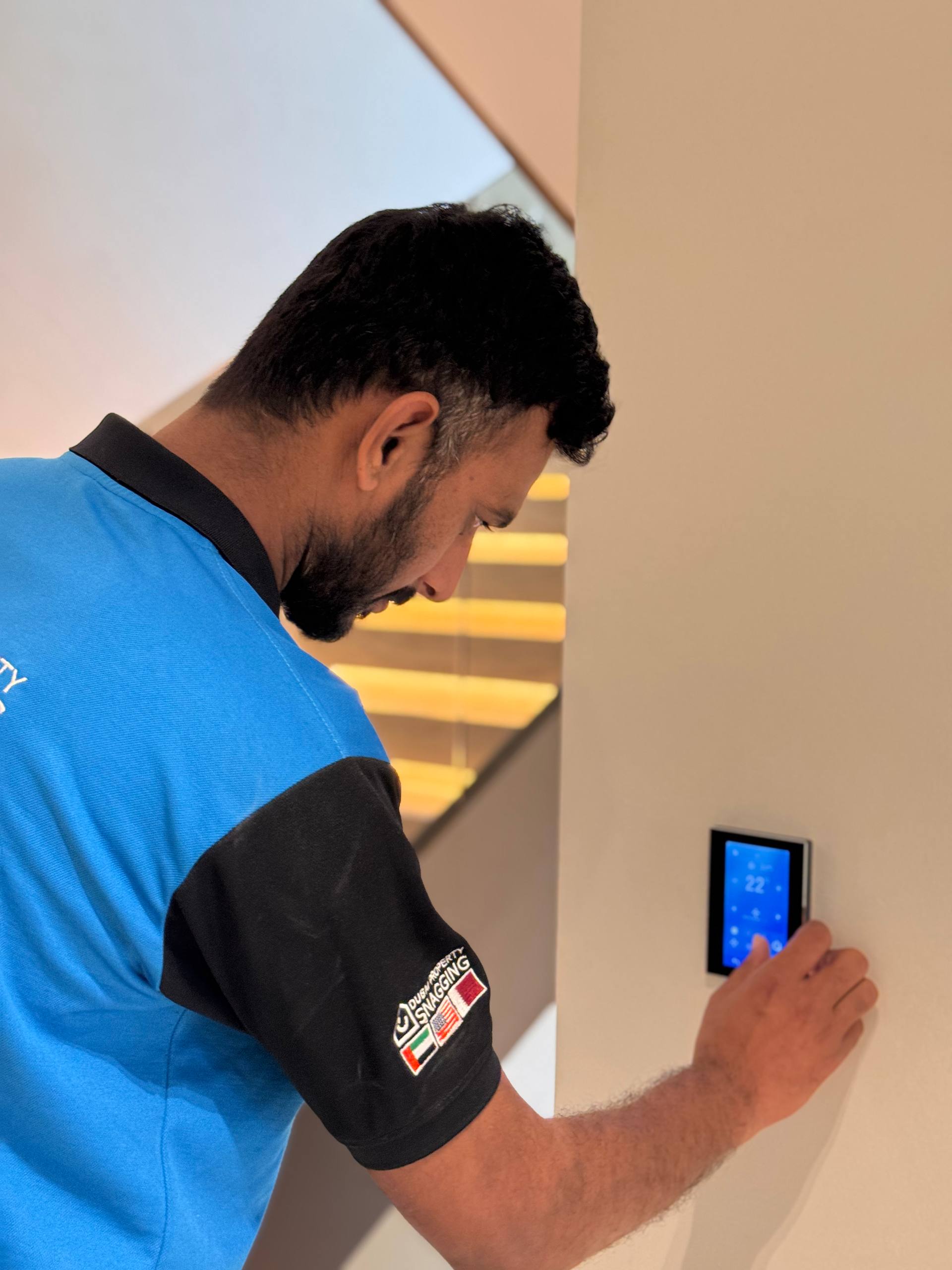
An inspection can check accessible components and basic operation, including whether different zones respond correctly and whether there are visible signs of condensation, leakage or poor installation.
Where specialist equipment is appropriate, professional inspectors may use diagnostic tools to identify problems that are difficult to spot visually. Current Dubai inspection services commonly advertise equipment such as thermal cameras and moisture meters for this purpose.
7. Electrical Systems
Electrical points, switches, lighting fixtures and other accessible components should be checked for visible defects and basic operation.
A professional inspection can identify issues such as damaged sockets, loose fittings, incorrectly functioning switches or other observable problems.
Electrical distribution boards and restricted electrical equipment should only be assessed by appropriately qualified personnel and within the permitted inspection scope.
8. External Areas
This is one of the biggest differences between villa and apartment inspections.
The outside of a villa can include:
- Boundary walls
- Gates
- Driveways
- Terraces
- Balconies
- Garden areas
- External walls
- Outdoor lighting
- Drainage
- Irrigation
- Garage doors
- Pool areas
- External AC equipment
- Utility areas
These areas should not be ignored simply because they are outside the main building.
Poor drainage around a terrace or garden, damaged paving, cracks in external finishes or problems around pool areas can become expensive to correct once landscaping and other work is complete.
Villa Handover Snagging: When Should You Do It?
The timing of handover snagging matters.
Ideally, arrange the inspection before you complete the handover process or as early as the developer permits. This gives you a documented list of defects that can be raised for correction.
An empty villa is also easier to inspect. Once furniture, curtains and personal belongings arrive, some areas become harder to access.
For this reason, it is better to inspect the property before moving in rather than discovering defects gradually after you have settled.
What Is a Handover Inspection?
A handover inspection is a detailed assessment of a property around the time it is being delivered to the owner.
The objective is to establish whether the villa has been completed to the expected standard and whether visible or functional defects need attention.
A professional report can include photographs and descriptions of individual defects, making it easier for the developer or contractor to understand what needs to be corrected.
After repairs are completed, a follow-up inspection can be useful to check whether previously reported issues have actually been resolved.
Move-In Inspection for a Villa
Not every villa inspection happens during a new-build handover.
If you are moving into a rented or previously occupied villa, a move in inspection can provide a record of the property’s condition at the beginning of your occupancy.
This is particularly useful when documenting existing damage.
Photograph marks, scratches, damaged fixtures, stains, plumbing problems or other defects before you start living in the property. A detailed condition record can make it easier to distinguish per-existing issues from damage that occurs during the tenancy.
Move Out Inspection: Why It Matters
The inspection process can also work in reverse.
A move out inspection takes place when a tenant is preparing to leave the property. It documents the condition of the villa at the end of the tenancy.
A useful move-out inspection can be compared with the original move-in record.
For example, if a wall already had a mark when the tenant moved in and that condition was photographed, the record provides useful evidence when the tenant leaves.
This does not eliminate every possible disagreement, but good documentation can make the process much clearer.
What About Apartment Snagging?
Villa owners sometimes assume that snagging is only important for large properties. It isn’t.
Apartment snagging is equally useful for identifying defects in newly completed apartments.
The inspection focuses more heavily on the individual unit, including:
- Walls and ceilings
- Flooring
- Windows
- Doors
- Kitchen
- Bathrooms
- Electrical points
- Air conditioning
- Cabinets
- Balconies
- Accessible plumbing
The basic principle is the same: identify problems, document them and have them addressed before they become a bigger concern.
Should You Carry Out Villa Snagging Yourself?
It is entirely possible to conduct your own walk through, and having an owner who understands the property is always beneficial.
The problem is that homeowners often concentrate on what they can immediately see.
A professional inspector approaches the property systematically. They know which areas commonly develop defects and can use suitable inspection equipment where necessary.
You gain a practical benefit as well when the inspection is carried out by a person who feels no emotional connection to the property. Rather than wondering where the sofa should be placed, the inspector checks if the floor is even, if the door works as it should, and if a fixture has been completed correctly.
For a significant property investment, that additional perspective can be valuable.
What Should a Villa Snagging Report Include?
A useful report should be clear enough that you can understand the problem without having to interpret technical language.
Ideally, individual defects should include:
- Location
- Description of the problem
- Photograph or supporting evidence
- Priority or severity where applicable
- Recommended corrective action
A detailed report becomes especially useful when it is sent to a developer or contractor because the repair team can work through the issues systematically.
Common Mistakes Homeowners Make
One of the biggest mistakes is waiting until after moving in.
Another is focusing entirely on cosmetic defects while ignoring functional problems.
Other common mistakes include:
Rushing the inspection: A large villa takes time to inspect properly.
Ignoring outdoor areas: The garden, terrace, garage, pool area and external walls can contain important defects.
Not documenting problems: A verbal complaint is much less useful than a clear written record with photographs.
Assuming a new villa is defect-free: New does not automatically mean perfect.
Skipping the follow-up: If defects are repaired, check that they have actually been resolved rather than assuming everything is finished.
How to Choose a Villa Inspection Company in Dubai
If you decide to use a professional inspection service, look beyond price.
Consider the company’s experience with villas, the inspection scope, reporting quality, equipment, turnaround time and after-inspection support.
Ask what areas are included before booking. A villa-specific service should understand that the inspection extends beyond bedrooms and living rooms to external areas and the property’s larger systems.
The best inspection is not necessarily the one with the longest checklist. It is the one that gives you useful, accurate information about the property you are actually buying or occupying.
To sum up
Villa snagging is an important step for anyone taking possession of a new villa in Dubai.
A villa contains more space and more systems than a typical apartment, and that creates more opportunities for defects to go unnoticed. From flooring and paintwork to AC systems, plumbing, electrical points, drainage, terraces and external areas, a proper inspection looks at the property as a whole.
Whether you need villa snagging, apartment snagging, a villa inspection, a handover inspection, or a move-in or move-out inspection, the principle remains straightforward: find problems early, document them properly and give the responsible party an opportunity to fix them.
For a new villa, the ideal time to start is before handover. Once the furniture arrives and daily life begins, finding and documenting defects becomes considerably more difficult.
A careful inspection at the right time can give you something every property owner wants after a major purchase: confidence that the home you are receiving is actually the home you paid for. More Details