Purchasing or leasing a property in Dubai is a significant decision. Whether you are relocating to a newly constructed apartment, receiving the keys to a villa, or getting ready to vacate a rental home, the state of the property is important.
A property may appear flawless during a brief viewing yet still harbor issues that are simple to overlook. A loose fitting, a broken tile, a dripping tap, uneven floors, a faulty switch, shoddy sealant, or a door that won’t shut correctly might not become apparent until you’ve spent more time in the property. This is where property snagging proves valuable. A thorough inspection allows you to examine the property in detail, document any defects, and report them to the developer, contractor, landlord, or other responsible party.
In Dubai, snagging can apply to several situations, including new-build handovers, villa purchases, apartment purchases, rental handovers, and post-handover inspections.
What Is Property Snagging?
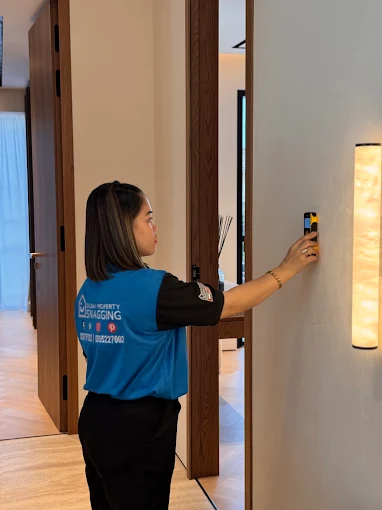
Property snagging is a detailed inspection carried out to identify defects, incomplete work, damage, poor workmanship, and problems with accessible fixtures or systems.
Some snags are purely cosmetic. Others can affect how the property functions.
For example, you might notice:
- Cracked or chipped tiles
- Uneven paintwork
- Scratched flooring
- Damaged doors or frames
- Misaligned cabinets
- Leaking taps
- Poor drainage
- Loose fittings
- Faulty electrical points
- Air-conditioning issues
- Damaged sealant
- Problems with windows
The purpose of snagging is not to expect a property to remain completely free of problems forever. Instead, it provides an opportunity to identify issues that are visible or reasonably testable at the time of inspection.
Why Is Property Snagging Important in Dubai?
A new property is not automatically a defect-free property.
Several different contractors and trades may be involved in completing a home. Flooring, painting, electrical work, plumbing, air conditioning, joinery, kitchens, bathrooms, windows, and other finishing work can all be handled at different stages.
A small problem can therefore remain unnoticed even when the property looks finished.
A detailed inspection before or around handover gives the buyer a chance to raise those issues while they can still be addressed through the developer’s or contractor’s defect process.
A snagging report can also provide a useful written and photographic record of what was observed.
Villa Snagging in Dubai
A villa usually has more areas to inspect than a standard apartment.
With villa snagging, the inspection may cover bedrooms, living areas, kitchens, bathrooms, corridors, balconies, terraces, garages, gardens, boundary areas, and other accessible parts of the property.
Inside the villa, attention should be given to walls, ceilings, flooring, doors, windows, wardrobes, kitchen units, bathrooms, electrical points, plumbing, and air conditioning.
External areas should not automatically be overlooked. Depending on the property and inspection scope, drainage, external finishes, waterproofing-related signs, doors, windows, paths, and other accessible features may also need attention.
Because villas are larger, using a room-by-room inspection method can make it easier to keep track of defects.
Apartment Snagging in Dubai
Apartment snagging follows the same basic principle but is focused on the particular features of an apartment.
A studio, one-bedroom apartment, family apartment, or penthouse can each have different inspection requirements.
The inspection may include:
- Walls and ceilings
- Flooring and tiles
- Doors and windows
- Wardrobes
- Kitchen cabinets
- Bathroom fittings
- Plumbing
- Electrical points
- Air conditioning
- Balconies
- Built-in fixtures
It is worth checking both appearance and functionality.
A cabinet may look fine until the door is opened. A window may appear undamaged but fail to close properly. A bathroom may look clean while drainage is not working as expected.
These are the kinds of details that a careful apartment inspection should aim to identify.
Villa Inspection: What Should You Check?
A villa inspection should be systematic rather than rushed.
Start with the interior. Check the walls and ceilings for cracks, stains, uneven finishes, poor paintwork, and visible damage.
Move on to floors and tiles. Look for chips, cracks, scratches, uneven surfaces, damaged grout, and gaps.
Doors and windows should be opened and closed to check their basic operation. Handles, locks, hinges, frames, and visible seals should also be considered.
The kitchen deserves a separate check. Open drawers and cabinets, inspect the countertops, look at the sink and taps, and check appliances and connections where applicable.
Bathrooms should be checked for drainage, taps, sanitary ware, tiles, grout, sealant, ventilation, and visible plumbing issues.
For larger villas, accessible external areas should also form part of the inspection.
Apartment Inspection: Areas You Should Not Ignore
During an apartment inspection, homeowners often focus on the living room and overlook smaller details.
Pay attention to skirting, corners, door frames, cabinet edges, handles, sockets, switches, and other fittings.
Check the windows and balcony doors. Open and close them rather than simply looking at the glass and frames.
In the kitchen, open every cabinet and drawer. Look underneath sinks and around visible plumbing connections.
In bathrooms, check water flow and drainage where appropriate. Look carefully at sealant and grout because poorly finished wet areas can become troublesome later.
The goal is simple: do not judge the property only by its appearance during the first few minutes.
Handover Snagging Before You Accept the Property
Handover snagging is particularly important when taking possession of a new property.
This is the stage where the buyer has an opportunity to identify defects before fully accepting the finished property.
A proper inspection can cover the property’s finishes and accessible systems, with defects recorded in a report that can be shared with the developer or contractor.
Photographs are especially useful.
Instead of writing “damaged wall,” a good report can identify the room, location, nature of the damage, and include a photograph.
That makes it much easier for the responsible team to understand what needs to be addressed.
What Is a Handover Inspection?
A handover inspection is an assessment of the property’s condition around the time it is being handed over to the buyer or tenant.
The inspection can cover visible finishes and accessible fixtures and systems. Existing Dubai Property Snagging ® guidance similarly describes handover inspections as a way to identify defects and document the condition of the property before possession.
Depending on the property, areas commonly considered include:
- Walls and ceilings
- Floors and tiles
- Doors and windows
- Kitchen
- Bathrooms
- Plumbing
- Electrical points
- Air conditioning
- Built-in fixtures
- Accessible external areas
Once the inspection is finished, the findings can be submitted through the developer’s defect-reporting process.
Why a Handover Inspection Should Not Be Rushed
A developer walk through can be relatively short, especially when the property appears to be in good condition.
That does not mean every detail has been checked.
A homeowner may notice additional issues simply by taking the time to open cabinets, operate doors, test accessible fixtures, examine finishing details, and look carefully around wet areas.
Rushing through a handover inspection increases the chance of overlooking small problems.
A structured inspection gives each room and major component the attention it deserves.
Move In Snagging: What Happens After You Receive the Keys?
Ideally, major defects should be identified before handover. However, some issues only become noticeable after you begin using the property.
This is where move in snagging can be useful.
Once you are living in the property, everyday use can reveal things that were not obvious during a short viewing.
For example, you might notice:
- A door catching against its frame
- Poor drainage
- A tap that begins leaking
- An air-conditioning problem
- A cabinet that does not close properly
- A fixture that becomes loose
- An unusual noise from equipment
Keep a record of anything you notice and report it through the appropriate process.
Move In Inspection for Tenants and Homeowners
A move in inspection is also useful for documenting the condition of a property when a tenant or new occupant takes possession.
This can be particularly important for rental properties.
The condition of walls, floors, doors, windows, kitchen fittings, bathrooms, appliances, and other fixtures can be recorded with photographs and notes.
Having a clear record at the beginning of a tenancy can make it easier to distinguish between per-existing conditions and damage that occurs later.
Move Out Snagging: Why the Final Inspection Matters
Snagging is not limited to newly constructed homes.
Move out snagging can be useful when a tenant is leaving a rental property or when an owner is preparing a property for a new occupant.
The purpose is to document the condition of the property at the time it is vacated.
A move-out inspection may look at:
- Walls and ceilings
- Paintwork
- Floors
- Doors and windows
- Kitchen units
- Bathroom fixtures
- Appliances
- Built-in fittings
- Balconies and external areas
- Visible damage
Photographs and clear notes can provide a useful record for both sides.
Move Out Inspection and Security Deposits
For rental properties, a move out inspection can help establish the condition of the property when the tenancy ends.
The inspection does not decide who is responsible for a particular issue, but it can provide evidence of what was visible at the time.
A move-out inspection can be compared with the condition documented at move-in where records are available.
This can be especially useful when there is a disagreement about whether a particular defect existed before the tenant moved in.
When Should You Hire a Property Snagging Company?
Many homeowners can identify obvious problems themselves.
The difficulty is often knowing what to look for and maintaining a consistent inspection process throughout the property.
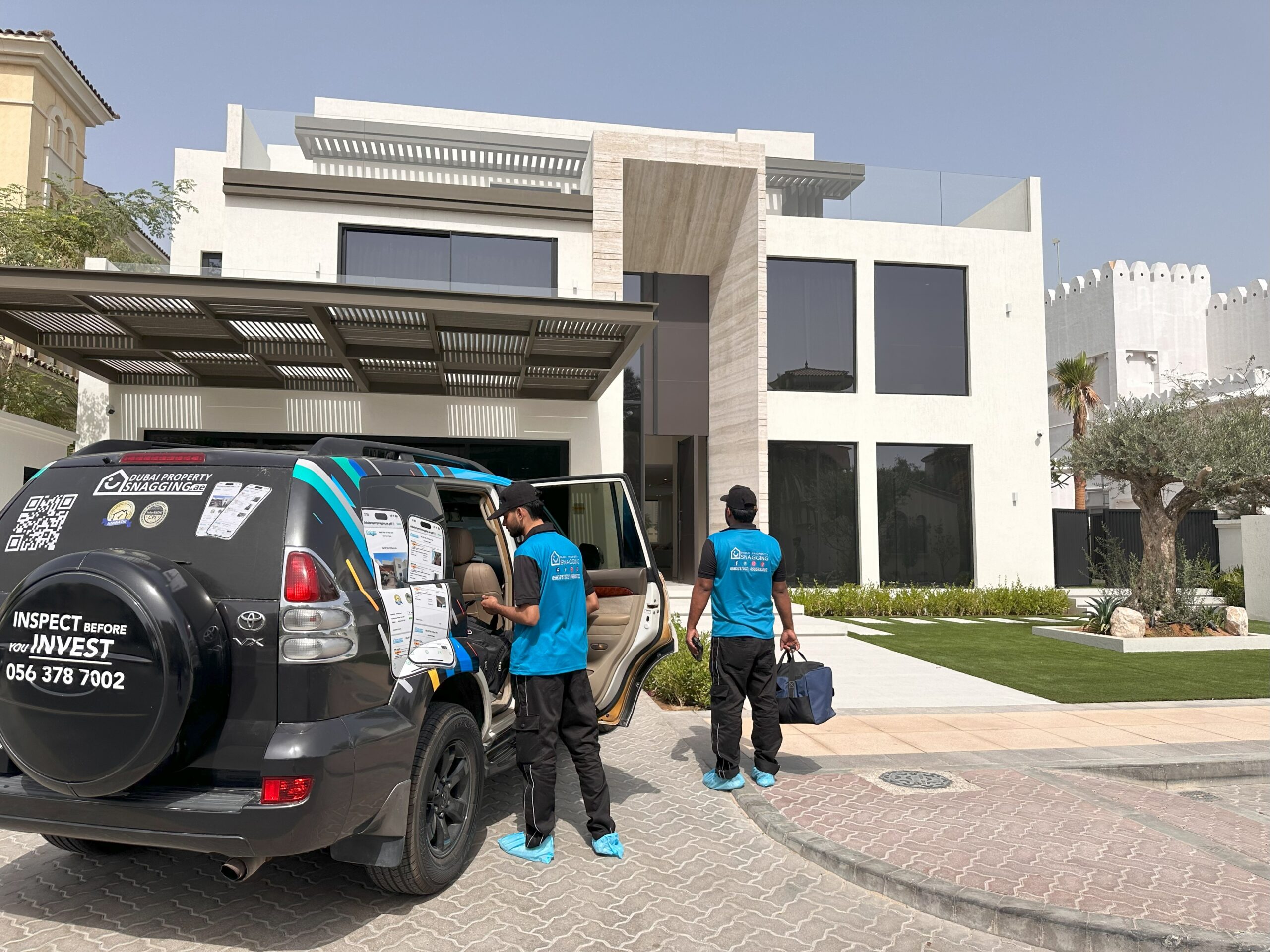
A professional property snagging company can approach the inspection systematically and produce a structured report.
This can be particularly helpful for:
- First-time property buyers
- Buyers purchasing large villas
- Apartment owners taking handover
- Investors who cannot attend personally
- Buyers purchasing properties from developers
- Owners who want independent documentation
- Tenants who need a detailed condition record
The right service should be selected according to the property and the level of inspection required.
What Does a Snagging Company Do?
A professional snagging company generally inspects the property for visible defects, incomplete work, poor finishes, and accessible functional issues.
The inspection may cover architectural finishes as well as electrical, plumbing, HVAC, kitchen, bathroom, doors, windows, and other relevant areas.
A report is then prepared to show what was identified.
Existing service information from Dubai Property Snagging ® indicates that its inspections can cover areas including plastering, electrical systems, drainage, ventilation, AC, carpentry, flooring, and other property components.
The exact scope can vary depending on the inspection package and property.
How to Choose a Snagging Company in Dubai
If you are searching for a snagging company Dubai, do not make your decision based only on the advertised price.
Consider the following:
1. Inspection scope
Ask exactly what the inspector will check.
A basic visual inspection and a detailed inspection can have very different scopes.
2. Reporting
Find out whether you receive a clear report with photographs and specific descriptions of each defect.
3. Experience
Experience with Dubai properties can be useful because different property types and developments can present different inspection requirements.
4. Follow-up inspection
Ask whether a de-snagging or follow-up visit is available after the developer completes repairs.
5. Turnaround time
If you are close to your handover date, find out when the inspection report will be delivered.
6. Professional qualifications
Where relevant, check the company’s licensing, certifications, qualifications, and professional affiliations.
How to Find the Best Snagging Company for Your Property
People often search for the best snagging company in Dubai, but there is no single company that will necessarily be the best choice for every property.
The better question is: Which inspection service is suitable for my property and requirements?
For example, a large villa may require a different scope from a studio apartment. A pre-handover inspection may also have different requirements from a move-out condition inspection.
Before booking, compare:
- Inspection scope
- Report quality
- Areas covered
- Inspector qualifications
- Turnaround time
- Follow-up options
- Customer reviews
- Overall value
Do not choose purely because a company describes itself as the “best.” Look at what you are actually receiving for the service.
What Should Be Included in a Snagging Report?
A useful snagging report should be easy for both the homeowner and the developer to understand.
Individual defects can include:
- Room or location
- Description of the issue
- Photograph
- Affected component
- Recommended action
- Relevant notes
For example, “bathroom problem” provides very little information.
A better description would identify the bathroom and fixture and explain exactly what was observed.
Good documentation reduces confusion and makes it easier to follow up on repairs.
What Happens After the Snagging Inspection?
Once the report is ready, the findings can be sent to the developer, contractor, landlord, or relevant party.
Keep copies of the report and communication relating to the defects.
When repairs have been completed, review the affected areas again.
This follow-up step is important because a defect being marked as repaired does not necessarily mean that the original issue has been fully resolved.
A de-snagging inspection can help confirm the condition of the repaired items. Existing guidance on the site also recommends a follow-up inspection after repairs have been carried out.
Common Mistakes to Avoid
A few simple mistakes can make property inspections less effective.
Rushing through the property
Do not try to inspect everything in a few minutes. Work through the property systematically.
Looking only at cosmetic defects
Paint and tiles are easy to notice, but plumbing, electrical points, drainage, air conditioning, doors, and windows also deserve attention.
Forgetting photographs
A photograph can make a defect much easier to understand.
Using vague descriptions
Record exactly where the issue is and what you observed.
Ignoring external areas
For villas especially, accessible external areas should not automatically be excluded.
Assuming repairs are complete
Check repaired items instead of relying solely on the status provided by the developer or contractor.
Final Thoughts
Buying or moving into a property should be an exciting experience. Discovering avoidable defects after you have settled in can quickly take away from that experience.
That is why property snagging can be such a practical part of the property handover process.
Whether you need villa snagging, apartment snagging, a villa inspection, an apartment inspection, handover snagging, or a handover inspection, the basic principle remains the same: take the time to understand the property’s condition before moving forward.
The same applies after you receive the keys. A move in inspection can help document the condition of a rental or newly occupied property, while a move out inspection can provide a useful record when a tenancy ends.
If you decide to work with a property snagging company or snagging company Dubai, compare the inspection scope, reporting process, qualifications, and follow-up options before making a decision.
A good inspection will not prevent every future maintenance problem. What it can do is give you a clearer record of the property’s condition and help bring identifiable defects to the attention of the responsible party at the right time.
For a major property purchase, that extra level of checking can be well worth the effort.