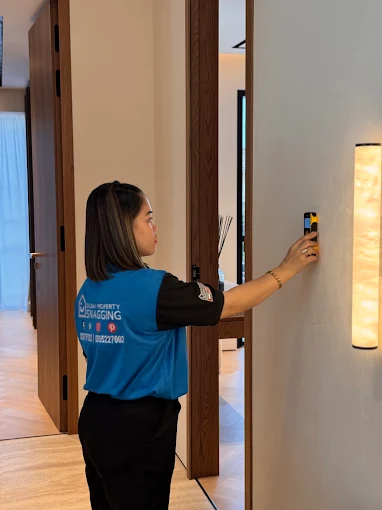
Buying a new home is an exciting experience. After months of looking at properties, comparing options, arranging finances, and waiting for construction to finish, receiving the keys can feel like the moment everything is finally complete. It is worth slowing down at this stage, though. Before moving furniture in or settling into your new home, take the time to inspect the property properly. A newly completed home can look excellent at first sight, while small defects, unfinished details, or problems with fixtures remain easy to miss. That is where property snagging can help.
Property snagging is a detailed inspection carried out to identify defects, incomplete work, poor workmanship, and items that are not working as expected. The findings can then be recorded and reported to the developer or contractor for attention.
Whether you have bought an apartment, villa, townhouse, or property as an investment, a thorough inspection around handover can give you a clearer picture of the condition of the home.
What Does Property Snagging Actually Mean?
Put simply, property snagging means checking a property carefully before accepting it as finished.
A snag does not have to be a major defect. It could be something as simple as a chipped tile, uneven paint, a scratch on a frame, or a poorly finished corner. On the other hand, it could involve a door that does not close correctly, a leaking tap, drainage problems, a faulty socket, or an issue with the air conditioning.
The purpose is not to search for faults simply for the sake of finding them. The aim is to make sure that the work has been completed properly and that visible or functional problems are brought to the attention of the responsible party.
During an inspection, different areas of the property are checked individually. The issues found are normally listed in a snagging report, with photographs and descriptions to make each item easy to locate and understand.
Why Should You Snag a New Property?
It is easy to assume that a brand-new home should be free from defects. In reality, new construction can still have problems.
A property may involve many different trades and contractors. One team may handle the flooring, another the painting, while separate specialists work on plumbing, electrical systems, air conditioning, kitchens, bathrooms, windows, and doors.
When all of those elements come together, mistakes or unfinished details can sometimes remain.
You might find a scratched window frame, a cabinet door that does not sit properly, uneven paint, or water that does not drain correctly in a bathroom. None of these issues may seem significant when considered on their own, but they can become frustrating once you have moved in.
Finding them before you settle into the property also gives you a record of the condition of the home at the time it was inspected.
When Is the Right Time for Property Snagging?
For a new-build property, snagging is generally carried out before or around handover. The exact timing can depend on the developer’s process and when the buyer is allowed access to the property.
Before arranging an inspection, it is sensible to understand how the developer handles inspections and defect reports.
The first inspection does not necessarily mean the process is finished.
Once reported defects have been repaired, a second visit can be arranged to check the work. This is often referred to as a de-snagging inspection. It gives the homeowner an opportunity to see whether the reported problems have actually been addressed.
There are also defects that may not appear during a short inspection. For example, a tap may seem fine initially but develop a problem later. An air-conditioning issue may only become noticeable after the system has been running for some time.
So while snagging is an important part of the handover process, it does not replace normal property maintenance.
What Is Checked During a Property Snagging Inspection?
A proper inspection is more than walking through the home and looking for anything that immediately catches your eye.
Each room and major component should be considered systematically. The exact scope will depend on the property and what can safely be accessed and tested.
Here are some of the main areas to look at.
Walls and Ceilings
Walls and ceilings are among the first things you notice when entering a property, but they are worth checking more carefully than a quick visual inspection allows.
Look for:
- Cracks
- Uneven surfaces
- Poor paintwork
- Stains
- Damaged plaster
- Scratches and marks
- Poorly finished corners
- Gaps around fixtures
- Visible signs of moisture
Not every imperfection has the same significance. A mark on a wall may simply be cosmetic, while a ceiling stain could indicate a moisture issue.
Rather than guessing about the cause, record what is actually visible. If something appears unusual or requires further investigation, it can then be referred to the appropriate specialist.
Floors and Tiles
Flooring should also receive a close inspection.
Check tiles and other flooring for cracks, chips, scratches, uneven areas, damaged grout, gaps, and other visible defects.
Bathrooms and other wet areas deserve particular attention. Water should drain towards the intended drain rather than collecting where it should not.
It is much easier to report a damaged tile or flooring problem before furniture has been moved into the property. Once the home is occupied, getting access to some areas can become more difficult.
Doors and Windows
Doors and windows are used every day, so relatively small problems can quickly become annoying.
Open and close doors to see whether they operate smoothly. Check the handles, hinges, locks, frames, and closing mechanisms.
Windows should be checked for visible damage as well as normal operation.
Sliding doors deserve the same attention. Make sure they move properly and check the frame, glass, handles, and locking mechanism for obvious problems.
Electrical Points
Electrical fittings should be inspected carefully and safely.
Depending on the scope of the inspection, this may include light switches, power sockets, lighting points, accessible fixtures, and appliance connections.
If a suspected electrical fault requires specialist testing, it should not be treated as a DIE repair. Electrical work can involve safety risks, and technical faults should be examined by a suitably qualified professional.
Plumbing and Drainage
Plumbing problems are particularly inconvenient once a property is occupied, so taps, sinks, toilets, showers, bathtubs, and other accessible fixtures should be checked during the inspection.
Look for:
- Leaks
- Weak or unusual water flow
- Drainage problems
- Loose fittings
- Damaged fixtures
- Poorly applied sealant
- Visible pipe issues
Bathrooms and kitchens deserve extra attention because several plumbing connections are concentrated in these areas.
Air Conditioning
For homes in Dubai, air conditioning is an important part of the property and should not be overlooked during a snagging inspection.
Where the system is operational and accessible, the inspection can include the thermostat, airflow, vents, accessible equipment, and visible signs of condensation or leakage.
A standard snagging inspection is not a substitute for specialist HVAC testing. If there is a technical problem that requires detailed investigation, an HVAC professional may need to assess it. Obvious operational or visible issues, however, should still be recorded.
Kitchen
A new kitchen can look spotless when it is first handed over, but individual components still need to be checked.
Open the cabinets and drawers. Look at the handles, hinges, countertops, sink, taps, sealant, and appliance connections where applicable.
Cabinet doors should sit correctly and drawers should move properly. Also check visible surfaces for scratches, chips, cracks, or other damage.
Bathrooms
Bathrooms are another area where a detailed inspection can make a difference.
Check the toilet, basin, shower, bathtub, taps, drainage, tiles, grout, sealant, mirrors, cabinets, and ventilation.
Pay particular attention to areas that are regularly exposed to water. Poorly finished sealant or damaged grout should be recorded because these areas need to be properly finished and maintained.
A Simple Property Snagging Checklist
Having a checklist with you can make the inspection more organized and reduce the chance of overlooking something.
Inside the Property
- Walls
- Ceilings
- Floors
- Paintwork
- Skirting
- Doors
- Windows
- Wardrobes
- Built-in fixtures
Electrical
- Light switches
- Power sockets
- Lights
- Accessible fixtures
- Appliance connections
Plumbing
- Taps
- Sinks
- Toilets
- Showers
- Bathtubs
- Drains
- Visible pipes
Air Conditioning
- Thermostats
- AC operation
- Airflow
- Vents
- Visible leakage or condensation
Kitchen
- Cabinets
- Drawers
- Handles
- Counter tops
- Sink
- Taps
- Sealant
- Appliances
Bathrooms
- Sanitary ware
- Tiles
- Grouting
- Drainage
- Shower area
- Sealant
- Ventilation
This is only a starting point. The checklist should be adjusted to suit the particular property and the systems that are available and safe to test.
Can You Do Property Snagging Yourself?
Yes. A homeowner can carry out their own inspection, and it is certainly useful to take an interest in the condition of a new home.
Even a simple walk through can reveal obvious problems.
The challenge is knowing where to look. Someone who does not inspect properties regularly may naturally concentrate on the areas that are easiest to see and overlook less obvious details.
A professional property snagging company generally follows a more structured inspection process. Instead of simply walking from room to room, the inspector can work through different categories and check each area systematically.
The inspection report is another useful part of the process.
When defects are supported by photographs and clear descriptions, there is less uncertainty about what was found and where it was located. This can make communication with the developer or contractor easier.
What Should a Snagging Report Look Like?
A snagging report should be understandable even to someone who was not present during the inspection.
Depending on the inspection, a report may include:
- The location of the defect
- What was observed
- A photograph
- The affected item
- Recommended action
- Relevant notes or limitations
For example, writing “bathroom issue” is too vague to be particularly useful.
A more useful description would identify the bathroom, the specific fixture, and what was observed.
Clear descriptions and photographs help reduce confusion when the defects are being reviewed and repaired.
What Happens After the Inspection?
Once the inspection has been completed, the snagging report can be submitted through the developer’s or contractor’s defect-reporting process.
The relevant team can then review the reported issues and arrange the necessary repairs.
Keep your records during this stage. Save the original report, photographs, emails, repair updates, and any documents relating to follow-up inspections.
Once the repairs are said to be complete, go back through the affected areas where possible.
This step is easy to overlook.
An item being marked as completed does not automatically tell you whether the original problem has been properly resolved. Checking the repaired area yourself provides an additional opportunity to confirm its condition.
Common Mistakes Homeowners Make
One common mistake is assuming that a new property cannot have defects.
Another is rushing through the inspection because everything looks good at first glance.
A few other issues are worth keeping in mind:
Only checking what is easy to see:
Some defects are less obvious and require a more systematic inspection.
Focusing only on cosmetic problems:
Paint and tiles are important, but plumbing, drainage, electrical points, air conditioning, doors, and windows should also be considered.
Not taking photographs:
Photos provide a useful visual record and can make individual defects easier to explain.
Using unclear descriptions:
Be specific about where the problem is and what you observed.
Ignoring balconies and outdoor areas:
Accessible external areas should not automatically be left out of the inspection.
Not checking completed repairs:
Where possible, review repaired items rather than assuming every reported defect has been resolved correctly.
Property Snagging for Dubai Homes
Dubai has a wide range of residential properties, from high-rise apartments to villas and townhouses.
For buyers taking possession of a newly completed home, property snagging in Dubai can provide a practical way to assess the property’s condition before moving in.
Dubai’s climate also means that systems such as air conditioning and ventilation deserve appropriate attention. Plumbing, drainage, windows, and waterproofing may also require careful inspection depending on the property.
There are limits to what a standard snagging inspection can establish, however.
A snagging inspection should not be confused with a structural survey or a specialist technical investigation. If an inspector notices a potential structural, electrical, HVAC, or other technical concern that needs further examination, the appropriate specialist may need to investigate it separately.
How Much Does Property Snagging Cost?
There is no fixed price that applies to every property snagging inspection.
The cost can vary depending on factors such as the size and type of property, its location, the number of rooms, the inspection scope, the type of report provided, and whether a follow-up inspection is included.
Before booking, ask what the service actually covers.
A lower-priced inspection may not be suitable if important areas are excluded from the scope. Equally, there is little reason to pay for services that you do not need.
The useful comparison is not simply the price. Look at what is included in each inspection and compare the services on a like-for-like basis.
Is Property Snagging Really Worth It?
For someone buying a new property, snagging can be a useful way to understand the condition of the home before moving in.
A property is often one of the largest purchases a person makes. Taking some additional time to inspect it carefully can help bring defects to light while they are still relatively straightforward to report.
That said, snagging cannot predict every problem that might appear in the future.
Homes need ongoing maintenance, and some issues only become apparent after the property has been used for months or even years.
The purpose of property snagging is more straightforward: identify and document defects that can reasonably be seen or tested at the time of the inspection.
Conclusion
Getting the keys to a new home should be an exciting moment. A careful inspection before handover can help you start that next stage with a clearer understanding of the property’s condition.
Property snagging can cover a wide range of areas, including walls, ceilings, flooring, doors, windows, plumbing, electrical points, air conditioning, kitchens, bathrooms, and other accessible parts of the home.
Whether you choose to inspect the property yourself or use a professional property snagging company, avoid treating the inspection as something to rush through.
Take your time. Check each area carefully. Photograph and describe the issues you find, keep copies of your reports, and follow up on repairs.
A new home will still require normal maintenance over time, but a thorough handover inspection can help make sure that the defects you can identify at the beginning are properly recorded and brought to the attention of the responsible party.