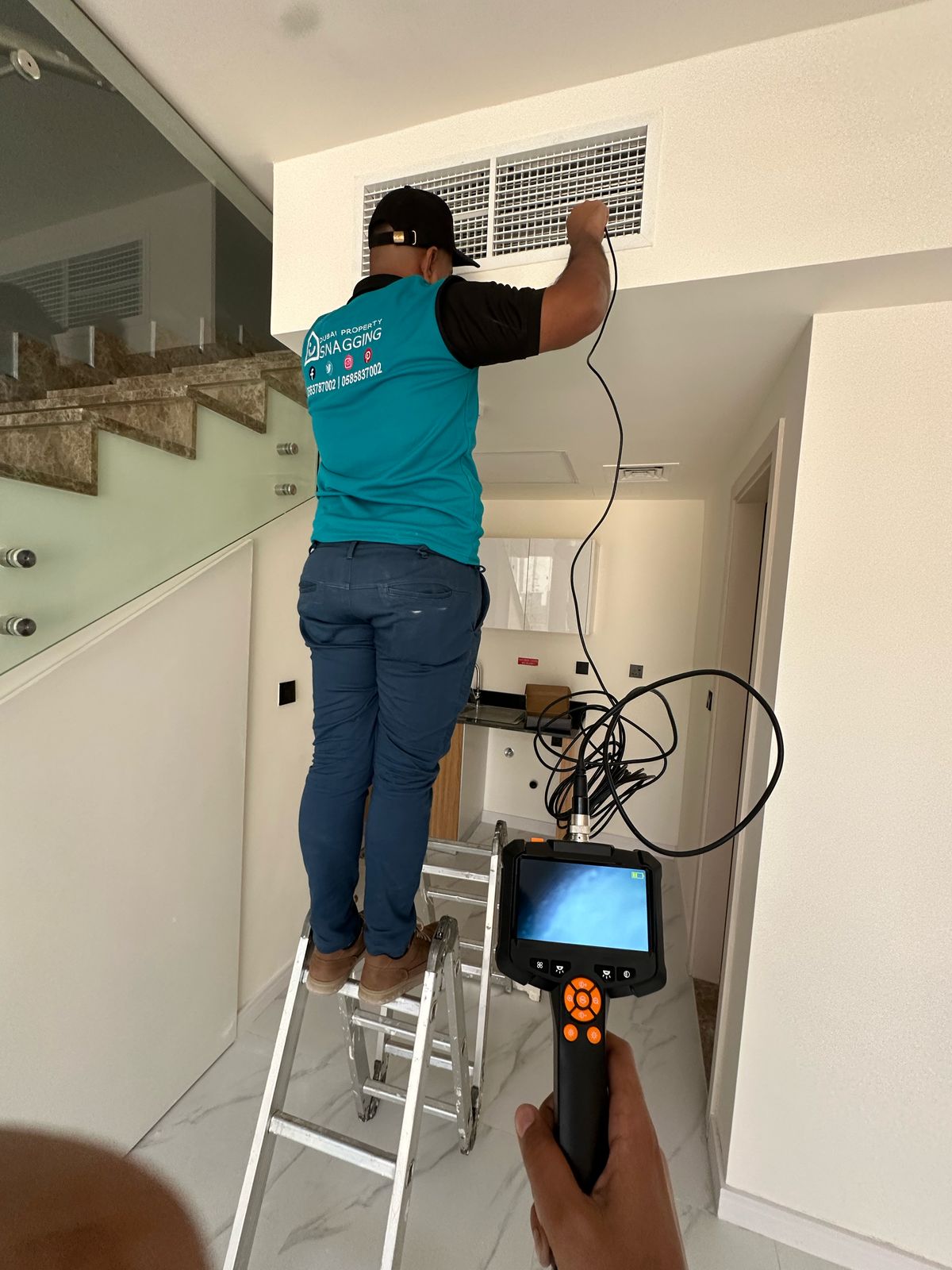
Property snagging Dubai homeowners rely on helps you find construction defects, unfinished work and functional problems before small issues get expensive. Moreover, you may have bought a new apartment, invested in a villa, or collected keys to an off-plan property. Therefore, a snagging inspection shows you what condition your home is really in. It also gives you something solid to send the developer.
Most buyers learn that a “completed” home rarely arrives perfect. New developments often hide faults: uneven floors, poorly fitted tiles, plumbing and drainage problems, rough window and door finishing, or AC defects. A close inspection usually reveals them. That’s why snagging is a process, not a single visit. You detect the issues, report them and follow each one through to a fix.
Why Snagging Matters in Dubai
Dubai’s market offers everything from compact apartments to luxury villas and townhouses. Designs and construction vary a lot. Every finished home, though, should match its specification and suit its purpose.
A finished property can mislead you. Fresh paint might hide damp. Attractive tiles might sit on poor grouting. Bathroom fittings can be misaligned, and drains can fail. Problems like water ingress or weak cooling rarely show at first glance. Snagging usually uncovers them.
Professional snagging finds obvious and hidden defects in a systematic way. You don’t need to rely on memory or scattered notes. Your snag report reminds the developer what you found, and it lets you track each fix.
An inspection before handover lets you document issues before you accept the property. One after handover can reveal faults that appear once you live there. Your contract, warranty terms and reporting procedures decide what you can claim. Learn the process before you collect your keys.
What Snagging Work Typically Includes
Snagging work means inspecting the accessible parts of a property for visible or suspected defects and unfinished jobs. The scope depends on the property type, your requirements and the tests the service offers.
A typical inspection covers floors, walls, ceilings, doors, windows, bathrooms, kitchens, plumbing, electrical fittings and AC. It may cover balconies and outdoor areas too.
Most of the work is visual. The inspector looks for poor paint, a window that won’t close, or bad tiling that exposes a leaking connection. They note each problem and take photos where possible. The developer can then act on clear information.
Some elements need a specialist. Hidden pipework, waterproofing and other inaccessible parts fall into that group. A good report separates what the inspector saw from what needs more testing. That tells you the next step.
Why a Detailed Snag Report Matters
A snag report turns your findings into a clear document. You can use it as a reliable reference when you report defects.
Without one, explaining problems gets hard. “Kitchen problems” tells the developer very little. “Bedroom window doesn’t close properly” tells them much more, especially with a photo and an inspection note.
A good report makes it easy to:
- Locate each defect
- Understand the finding and the inspector’s notes
- View the supporting photos
- See whether a specialist needs to test further
- Track progress on each fix
- Refer back to the original entry if a repair falls short
It also lets you compare the original findings with the repair work. If a developer’s fix looks incomplete, you can say so and point to the evidence.
A snag report doesn’t guarantee acceptance, though. The responsible party reviews your findings and decides whether each claim is valid under your contract, warranty and procedures.
Understanding the DLP Period After Handover
The DLP period, or defect liability period, starts after handover. During it, the developer or another named party takes responsibility for certain defects.
Check your contract and the applicable regulations. They tell you the length of the period, its start date, what it covers, what it excludes and how to report defects. Timelines can differ by defect type. Visible defects are often straightforward. Complex ones need a specialist evaluation.
Book an inspection during the DLP period. You can then report issues and follow their fixes under your reporting procedure. Confirm your handover date, keep copies of everything you submit and find out the reporting deadline.
Leave enough time. Ideally, you’ll have several days to review the report, submit it and answer the developer’s questions before the deadline.
The DLP doesn’t replace your contract’s specific requirements. If you dispute responsibility for a significant issue, consult a specialist professional.
Villa Snagging vs. Apartment Snagging
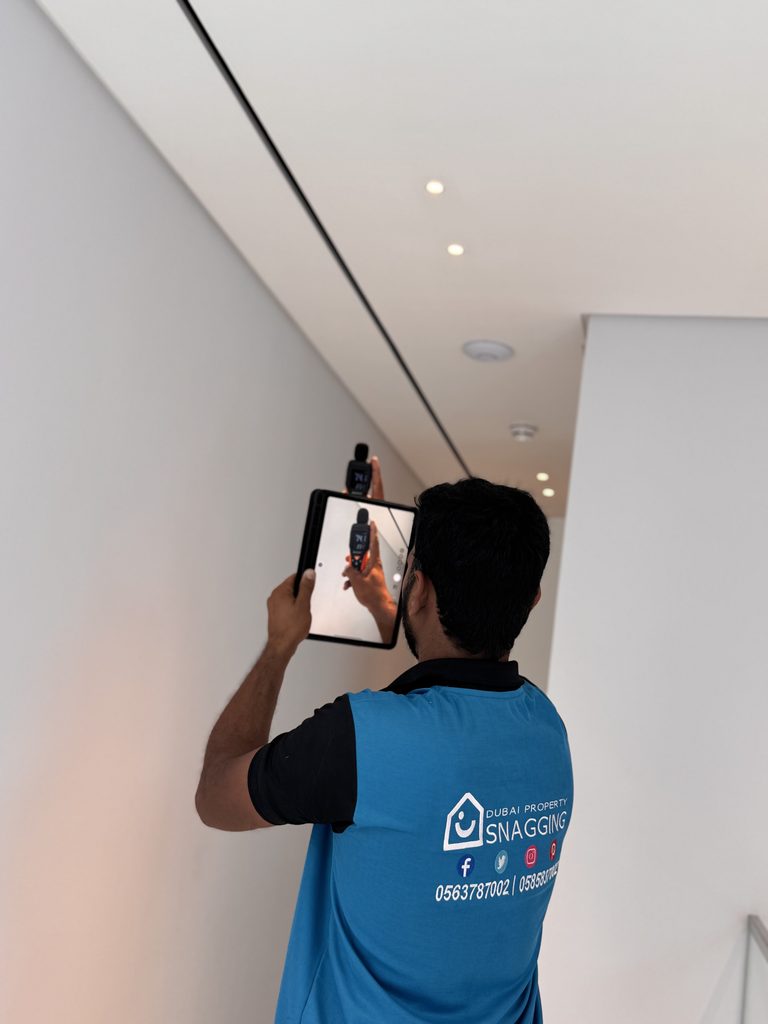
The two are similar in many ways, but their scopes differ.
Villa snagging. Inspectors cover the interior and the extras that come with a standalone or semi-detached home. These can include exterior walls, entrances, terraces, balconies, boundary walls, accessible roof areas and drainage, depending on your chosen scope. On a multi-store villa, they check every floor. Builders don’t always finish every area to the same standard.
Exterior areas need special attention. Finishing defects there can affect drainage, the building’s outer surfaces and how you use the space. Specialists should handle issues involving height, structure or inaccessible equipment.
Apartment snagging. Inspectors focus on the interior and accessible fixtures. They check floors, wall finishes, the kitchen, bathrooms, windows, doors, electrical fittings and AC. They also look for signs of water ingress, especially in bathrooms and around windows. If a defect comes from a shared area or an inaccessible spot, you may need to report it to building management.
Both types deserve a thorough, room-by-room check. That approach produces a detailed report and leaves no detail behind.
Comparing Snagging Companies in Dubai
Many snagging companies in Dubai offer to inspect your new property. Compare their services before you choose.
A competent company states its scope openly and admits its limits. It also follows an organized reporting process. You should be able to use its report as a reliable reference when you report defects.
Consider these points:
- Inspection scope: Ask which areas, elements and tests the company covers, and which it excludes.
- Report: Look for specific descriptions, not a generic overview. Ask for a sample, and check the delivery time.
- Experience: An apartment inspection differs from a multi-store villa inspection. Ask about work on your property type.
- Communication: Find out whether the company explains its findings clearly and offers extra guidance.
- Follow-up: Ask about re-inspection and whether it will review the repairs.
- Value: Request the terms, extra costs and limitations before you book.
The best snagging company for you matches your requirements. It offers the right scope, report quality, experience and communication.
What Makes a Snagging Company Reliable?
A reliable company helps you understand the findings without confusion. It inspects the accessible elements thoroughly and realistically. The report notes both apparent defects and those needing further investigation.
It also stays honest about limits. A visual inspection can’t guarantee a property has no hidden issues. A report shouldn’t suggest that further testing is unnecessary when it is.
Ask how the company organizes its findings. You should follow the report easily and refer to specific items when you contact the developer. That matters most when you have many issues.
If you’re searching for a snagging company Dubai owners can rely on, compare actual terms, not promotional claims. Customer reviews help. The advertised scope and sample report matter just as much. A good company helps you identify issues without overstating its findings or promising guaranteed results.
What to Do With Your Snag Report
Read the report carefully before you submit it. Confirm the property details are right. Check that the photos match the descriptions and that every issue is easy to find.
Next, follow the developer’s submission procedure. Keep a copy of everything you send. Note the submission dates and any reference numbers.
When the developer makes repairs, check them against the report. A repaired surface should look smooth. A repaired fitting should work fully. If you can inspect the work, update your report.
If the developer disputes a finding, ask for clarification and point to your documents. Stay factual. Remember that different issues may fall under different warranty or reporting conditions.
Don’t skip this stage. Finding faults is only part of the job. You also need to confirm that the fixes follow through and that the responsible party acknowledges each issue.
Protect Your Investment With a Defect Inspection
A property is a major investment, and handover deserves special attention. Minor faults are normal in a new development. Water ingress, faulty installations and other serious issues need a professional assessment.
A snagging inspection helps you understand visible and hidden problems. It produces a report that supports your defect reporting. When you also know your DLP period, you can talk to the responsible parties more efficiently.
Need villa snagging, apartment snagging or another inspection? Choose a company with a realistic scope, a detailed report and honest limits.
Taking possession of a new property in Dubai? Book your inspection early. Keep your handover documents handy. Don’t postpone defect reporting until the last day of the DLP period. A well-structured report with an accurate description of visible and hidden issues helps you make informed decisions and protect your investment.