Understanding the de snagging meaning is essential, particularly if you are planning to buy a new property in Dubai. Often, a seemingly completed property still has issues. These can arise after the work performed by the developer or a hired contractor. Snagging and de snagging are related concepts. However, they differ in objectives, scope, and when they occur.
For the property owner, buyer, landlord or even an investor, snagging is not a mere formality. Recognizing the cosmetic and functional defects of a property is fundamental. The inspection team addresses defects properly. A second inspection can help verify that you have resolved snagging issues completely. This helps ensure there are no remaining defects. In most cases, the de-snagging report will reveal new defects. These defects could have emerged during the inspection process.
What Is the Desnagging Meaning in Property Inspection?
We conduct de-snagging, or de snagging, as the complementary inspection to snagging after processing the initial report. The process aims to double-check the repair works carried out to resolve the issues identified in the snagging control.
For example, a snagging control may identify issues like a faulty tap, a chipped tile, or faulty bathroom sealant. A second inspection checks whether the tap works, replaces tiles, reinstall the sealant, and fixes the door.
This type of inspection is crucial. The contractor may address a defect reported by the snagging report improperly. An inspector may correct it only visually or cause new issues.
Snagging and De Snagging: What Is the Difference?
People often discuss snagging and de-snagging together, but they do not refer to the same exact control. The former conducts a defect inspection, while the latter confirms that the identified issues have been resolved.
The inspector conducts a snagging inspection when a new property is ready to be handed over. The control aims to identify any visible or accessible defect and report it to the developer or the relevant hired contractor. On the other hand, the de-snagging inspection takes the snagging report as a basis of control, rather than conducting a new round of inspection. The second control does not entail inspecting the property for new issues. It verifies that earlier problems are no longer present.
For instance, the snagging inspection of a newly purchased apartment may report a defect. The defect may consist of uneven floor tiles at the entrance. The newly hired contractor will then carry out repair works to restore the original state of the floor. A de-snagging control would involve visually inspecting the entrance floor. The inspector would check whether the repairs are completed and properly performed. It may also involve checking that the new tiles do not present any other cosmetic issues.
Why Is De-Snagging Important After Snagging Work?
The snagging works can involve several specialists. These include painters, tilers, plumbers, electricians, and air conditioning installers. Each of them will carry out their own set of tasks, which may range in scope and complexity. In addition, the actual quality of the performed works can vary significantly. The second inspection gives the property owner greater confidence that the contractors have completed the work to a satisfactory level. It is also an opportunity to detect new cosmetic or functional issues, which may arise during the initial repair works.
For instance, repainting the wall may cover up a visible stain, but it will not resolve the source of the dampness. A plumbing issue may look fixed. The installers reinstalled it, but the leak remains at the exact spot. Finally, a professional may replace a faulty door, but it may still rub against its frame when opened. For all of these reasons, a de-snagging inspection is as important as the initial snagging report.
When you hire a snagging inspection in Dubai, note that you must review the property’s status after the initial report at a later date. Ideally, a thorough control should feature a detailed report. This report will facilitate further communication with the developer or the relevant hired contractor. In addition, the property owner should bring up any unresolved issues with the responsible party.
De-snagging cannot guarantee that we have uncovered and properly resolved all existing issues. However, it will provide stronger grounds to argue in favor of the identified issues. It will review the current status of the property.
How the Desnagging Process Works
In practice, the de snagging process begins when the developer or hired contractor confirms the initial snagging report is complete. This confirmation starts the next steps. Before contacting them for a second inspection, retain a printed or electronic copy of the original report for records. Also keep any extra information received from the responsible party promptly.
The second inspection will then focus on reviewing each of the original snagging control items. For each of them, the inspector will examine the site. Where applicable and safe, they will test the functionality of the relevant property elements. The inspector reports findings based on the issue’s status. We address the issue once it is resolved; if it remains apparent or requires further control, report it.
For instance, if the original snagging report identified ten issues, the follow-up inspection may report that seven issues are resolved. We still see two issues, and one of them may require additional control to be properly assessed. The follow-up report should highlight these details and avoid simply saying that all issues are resolved.
Taking pictures of the inspected site is useful. This helps facilitate further communication with the responsible party. Additionally, keep a printed or electronic copy of the second inspection report with the original snagging report. This acts as a reference for future maintenance. However, the exact procedure may vary depending on the developer, the applicable hired contractor, the general scope of the original snagging report and the specific timing of the property hand-over.
What Should Be Checked During a De snagging Inspection?
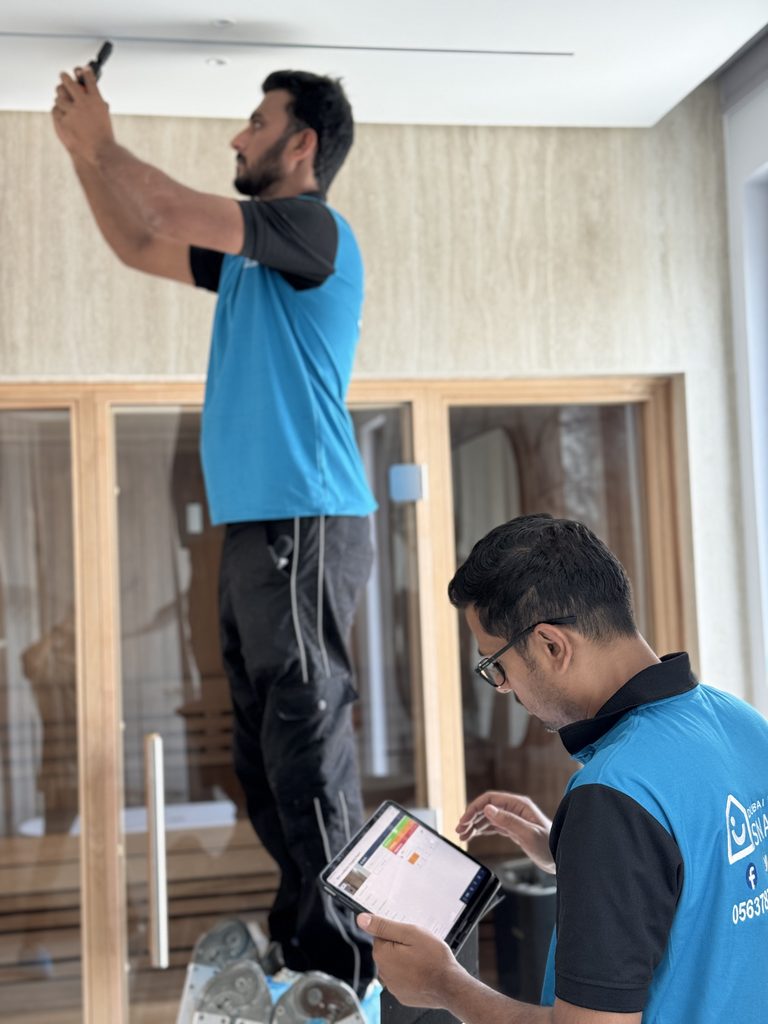
The initial snagging control will determine the actual scope of the follow-up inspection. In other words, the inspector will begin by reviewing the original snagging issues. The inspector may mention new apparent concerns, especially if they emerge during repairs addressing the initial issues.
Walls, ceilings and paint
During wall, ceiling, and paint control, the inspector checks for cracks, stains, scratches, and uneven paint. He notes any poor paint application. They will review the paint condition. This review focuses on the integrity and consistency of the repair works. If the original snagging report notes a stain or crack, a review is needed. Check whether the newly applied paint blends with the existing one seamlessly. If the new paint shows the same flaw, the inspector notes it in the report.
Flooring, tiles and grouting
The inspector will look for apparent cracks or other damage on floor tiles and review the general condition of the floorboards. They will also examine the state of the grouting, particularly in relation to the presence of any loose edges or uneven surfaces. If any issues are reported in the snagging report, the inspector must review the site. The goal is to confirm repairs align with the surface finish. If concerns about movement or unevenness persist, they should be specified in the report.
Plumbing and bathroom fittings
The inspector will operate the accessible taps and toilets, where applicable and when it is safe to do so, in order to check for any apparent leaks or issues with the water drainage. Inspectors review the sealant around the plumbing fittings. They check for leaks and unfinished work. If the original snagging report notes a similar issue, the inspector should review the relevant area. The inspector should determine whether the issue has been resolved.
Doors, windows and cabinets
The inspector will open all reported doors, windows, drawers, and cabinet doors. He will close them to check their general functionality. They will also review the state of their respective hinges, handles, locks and latches, where applicable. The repair works to address the initial snagging issues should resolve the problem entirely. They should not only improve the general cosmetic appearance of the element.
Electrical and air conditioning systems
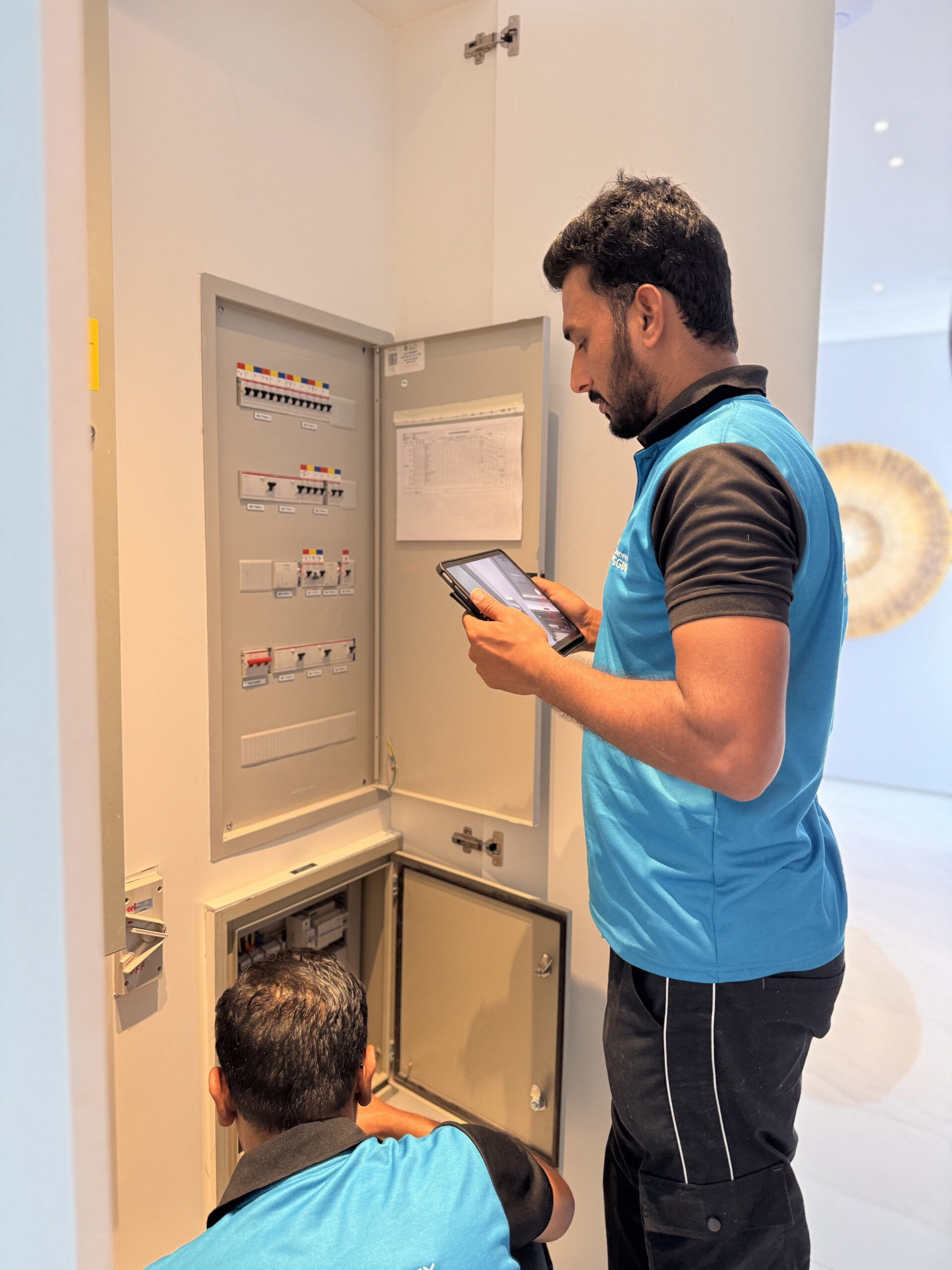
Where safe and accessible, the inspector will operate all relevant switches and electrical outlets noted in the original snagging report. They will also review the general condition of the electrical switch gear, if any of the reported issues pertained to them directly. Concerning the air conditioning system, the inspector will assess the apparent condition of the equipment. This assessment will consider the original snagging issues, if the area is accessible.
A visual inspection is only one part of the de-snagging control, because some aspects of the property’s condition may require a more in-depth review. Specifically, issues relating to internal plumbing, waterproofing membranes, electrical wiring, or equipment require additional analysis by the relevant specialist. The specialist should perform the review. The report should mention apparent issues. We can resolve the issues without additional testing. It should also note concerns that may require further specialist involvement.
How to Use Your Original Snag Report During De snagging
We should always use the original snagging report as the central reference for the de-snagging inspection. Ultimately, it is the only reliable source of information about the initial property condition. We have since reported the issues. Therefore, bring a printed or electronic copy of the original report. Also include any communication with the responsible party when scheduling the second inspection.
The original snagging control report will serve as the reference point for the follow-up inspection. As such, it is essential to review each of the original snagging issues rather than limit the second inspection to the apparent cosmetic concerns. When reviewing the initial issues, the inspector should examine their current state in relation to the original report. Should the issue persist or remain evident, record it in the report with current observations. If the issue has been adequately resolved, the inspector should also mention it.
A thorough review of the initial report is especially useful in cases, when the snagging issues have required multiple inspections and repair attempts. It will greatly facilitate the identification of unresolved issues and concerns, which may require additional control. This will prevent us from confusing unresolved issues with cosmetic concerns, which were initially unrelated to the snagging control.
In cases, when the second inspection has revealed new apparent issues, which were not present during the original snagging control, they should also be specified as a separate section in the report. This will help the responsible party better understand the context of the additional concerns.
Choosing Among Snagging Companies in Dubai
The value of both snagging inspections ultimately depends on the initial scope of control, as well as the precision of the report, which follows it. As such, prospective property owners should be aware that snagging companies in Dubai vary considerably in terms of their scope of service and subsequent reports. When choosing between different providers, it is essential to look beyond the offered price and consider the scope of control, which the chosen company will apply to the property.
A competent provider will offer transparency in terms of their scope of control, as well as the limitations, which come with it. They should also be able to provide an example of a snagging report, which will illustrate the level of client support, which they provide. In particular, it is essential to request additional information concerning the ability to follow-up after the initial report, as well as the possibility to receive a detailed report with supporting photographs, which will help the responsible party identify the reported issues.
When searching for a reliable snagging company, which property owners can use for a new hand over in Dubai, it is essential to look into the experience, reports, scope of work and client support of the chosen provider. The provider should explain the details of a snagging inspection and clarify what constitutes an apparent defect versus an issue needing additional specialist support.
Ultimately, the choice of a snagging company depends on the individual requirements of the property owner. In many cases, it is the level of report detail and client support, which will determine the value of the follow-up inspection, rather than the general scope of control. A competent provider will also highlight the limitations of their visual inspection in relation to the specialized equipment, which may be necessary to detect some issues.
When Should You Arrange De snagging in Dubai?
The responsible party always determines the timing of the de-snagging inspection and will arrange a second inspection after they have fully addressed the initial snagging report. If several issues still require resolution, the responsible party should request an update. The responsible party should address the snagging report first and then reschedule the second inspection for a later date.
Resolve snagging issues in stages and schedule multiple follow-up inspections, not a single review of the property. This approach lets you address all initial concerns properly, rather than simply receiving confirmation that all works are completed. Carefully review the conditions of the property hand-over and the defect-resolution timeline indicated by the developer for newly handed-over properties.
The latter consideration is especially relevant for properties, which have already been occupied. In such cases, it is essential to distinguish between the original condition of the property, its current condition and the issues, which may have arisen due to the occupation. In all cases, it is advisable to keep a printed or electronic copy of photographs, which will indicate the condition of the property at any given point in time.
For property owners in Dubai, it is essential to ensure that the de-snagging inspection report covers all of the original snagging issues, as well as any additional concerns, which may arise after the initial snagging report has been addressed.
Common Mistakes to Avoid During De-Snagging
One of the most common mistakes during de-snagging inspections is accepting the completion of the repair works without additional testing. We must double-check that the initial snagging issues are completely resolved, regardless of the responsible party’s confirmation. After all, the purpose of the second inspection is to ensure that the identified property concerns are no longer apparent.
Another common mistake is only visually reviewing the cosmetic aspects of the property. Repainting the walls or replacing floor tiles can enhance the property’s appearance, but it does not necessarily resolve the underlying issues. We should review the initial snagging issues in light of their original state. If the newly applied paint covers a damp spot, you must address the source of the dampness.
It is also unwise to rely solely on verbal updates from the responsible party. Ideally, all additional information should be accompanied by supporting photographs and specific references to the initial snagging report. This will facilitate the review process during the second inspection, as well as further communication with the responsible party.
Finally, it is important to remember that not all property concerns are equal. Some snagging-related issues require additional specialist review to resolve them. As such, it is essential to document all apparent issues and the current state of the property, as well as request specialist support, if required.
Desnagging Helps You Make a More Informed Handover Decision
Ultimately, the value of de snagging lies in ensuring that the initial snagging report has been fully addressed. De-snagging always reviews the status of all snagging-related concerns to determine which are properly resolved and which still require attention. At the same time, the second inspection can also serve to identify any additional property concerns, which may have emerged since the original snagging report.
As such, an owner of a new property should always consider both the initial snagging inspection and the opportunity to review the status of the identified issues prior to finalizing the property hand-over. When choosing between snagging companies in Dubai, it is essential to consider their general scope of control as well as their ability to provide a detailed report and follow-up support.
The snagging inspection and the subsequent de-snagging inspection serve as two sides of the same process. In reality, the two reports work together to ensure that the property owner has a clear understanding of the initial property condition, as well as the current status of the identified issues.