Handover day should be a day of joy and celebration. You have waited months or even years for this moment. However, when you get the keys and walk in, reality starts to hit you. A door is rubbing the frame, the drain is slow, and the AC is struggling at 3 pm. This guide discusses snagging work, including the next steps after inspection and rights protection in Dubai.
What is Snagging Work?
The snagging work definition refers to completing the inspection. It involves necessary rectification works to address defects, incomplete items, or finishes. This applies in a new dwelling, renovation, or new build before handover. A snag is a defect that arises during construction, completion, or alteration of a property. The contractor must correct the snag to meet the standard specified in the contract. Some snags are relatively simple, such as repairing a small chip in a tile or repainting a patch of drywall. More complex snags can involve checking and rechecking the integrity of concealed services, including water supply, drains, and electrical fittings.
Similarly, snagging works and snag works refer to the same inspection process. A professional inspector conducts the snagging inspection to identify and document all applicable snags. The inspector submits the report to the developer for rectification. The purpose of this process is not to criticize the developer. We identify what must be done to bring the property up to the standard promised to the buyer.
The Report, the Snag List, and the Checklist
By default, every snagging inspection has one document that is the snag list. This report typically includes all identified snags, their location, and a brief description, serving as a guide for the developer to complete the necessary works. However, a reliable snagging company will provide a snagging report that goes beyond the list of defects. Ideally, the report should use the snag list as a basis but go beyond that by organizing it by the property’s rooms, adding photos of each snag, and describing the severity.
In addition, an excellent report should highlight the areas and snags the inspector was unable to review due to the inability to conduct a visual inspection. This is particularly important for works that require the expertise of a specialist, such as checking the concealed plumbing works. Although the visual inspection cannot confirm whether the pipes are leaking, it can recommend that the developer contacts a specialist to conduct a more in-depth review.
As seen in the examples, the snagging list entries should be as descriptive as possible. This way, the contractor has a precise idea of what needs to be done. As descriptions become more generic, clarifying the issue demands more time and effort.
What Do Snagging Inspections Typically Cover?
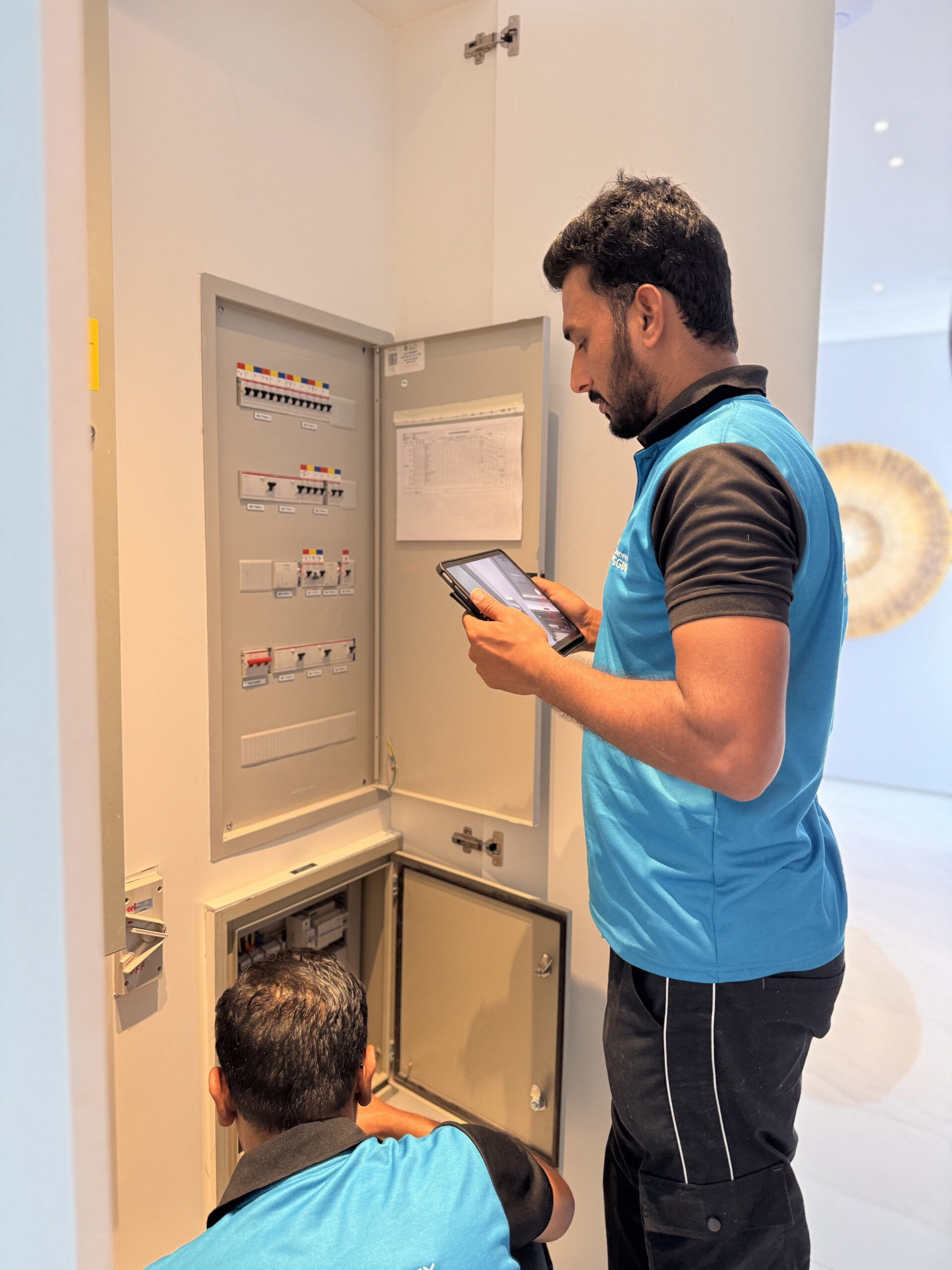
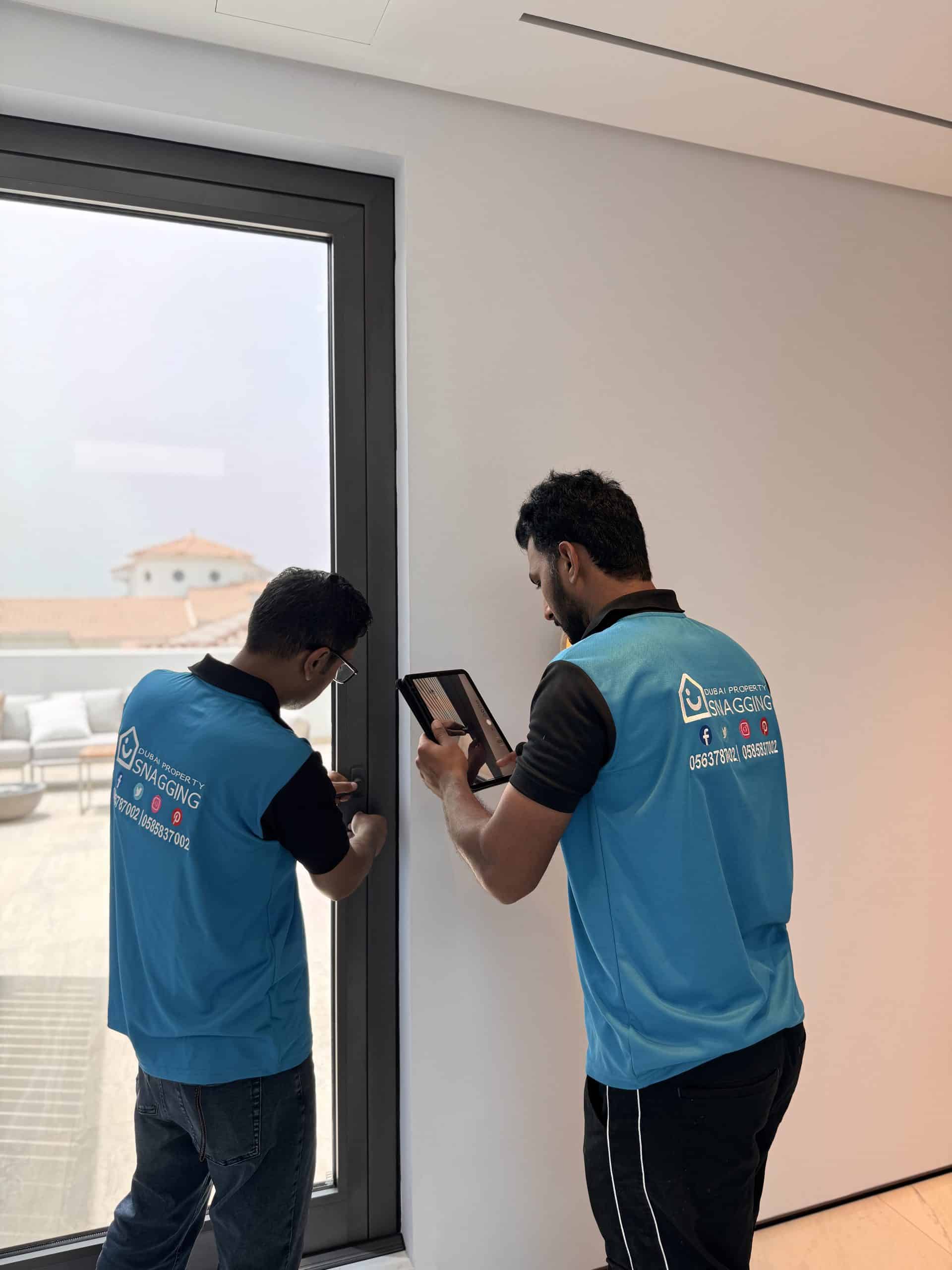
A snagging inspection is not a casual walk around. It is a thorough examination of all the property’s elements. The most common snagging inspection checklist covers the property’s structure, finishes, and fixtures. The works include checking the walls, ceilings, and floors for cracks, stains, or unevenness. The inspector visually examines the doors, windows, and wardrobes for proper alignment, locks, and seals. Moreover, the inspection covers all the property’s plumbing, electrical fittings, and AC units.
To ensure every accessible switch and outlet is operational, an inspector typically opens and closes every available switch and outlet in all the property’s rooms. In addition, the inspector tests all the accessible doors and windows for proper functioning. Thermal imaging can identify issues not readily apparent to the naked eye. Dampness detectors can identify moisture problems not visible to the naked eye.
At Dubai Property Snagging ®, our snagging inspectors follow a comprehensive 400+ point checklist that covers all the property’s elements. In addition, the InterNACHI certification company’s thermography experts have performed 98,000+ inspections. Nonetheless, even the best snagging equipment requires human expertise to operate. Thus, the tools above identify potential problem areas. However, the inspector reads the results and interprets them.
A Comprehensive Handover Inspection Checklist Example
A comprehensive handover inspection will typically follow the same format, starting with the property’s structure. It includes visually reviewing the walls, ceilings, and floors for cracks, stains, or unevenness. The inspector examines the doors, windows, and wardrobes for proper alignment, locking mechanisms, seals, and screen functionality. The property’s kitchens and bathrooms require a more in-depth review due to their plumbing and fittings. Accordingly, the inspector will test every tap, toilet, and flush, examining the drains functionality and the integrity of the sealant.
Afterward, the AC unit is reviewed for proper airflow, temperature reach, and unusual noises. The inspection covers all the accessible switches, outlets, lighting, and sockets without removing any visible panels or switches. The final part of the handover inspection covers balconies, terraces, and other exterior areas. It reviews drainage systems and checks for standing water. For villas, the roof, boundary walls, and swimming pool are additional elements that require a thorough review.
A buyer can use this handover inspection list as a reference. However, a professional inspector has the experience, knowledge, and tools to detect many more potential issues.
De Snagging Meaning: The Importance of the Follow-Up Inspection
De snagging is the process of returning to the property after the initial snagging report. This is done to confirm that all snags have been rectified. Understanding the de snagging meaning is essential. It refers to the final step before completing the property handover.
A de snagging inspection is critical. It ensures the rectification work completed by the developer addresses the snags appropriately. In some cases, the developer’s snagging report suggests that the work was completed satisfactorily, but further inspection reveals otherwise. For example, a stained wall may seem acceptable after painting, but the contractor did not address the underlying pipe leak. Similarly, a window that closed correctly during the snagging inspection may start to malfunction a few days later. Furthermore, de snagging also identifies new snags that may have occurred due to the snagging process, such as painting mishaps or sealant issues.
How Can the Snagging and De Snagging Process Help?
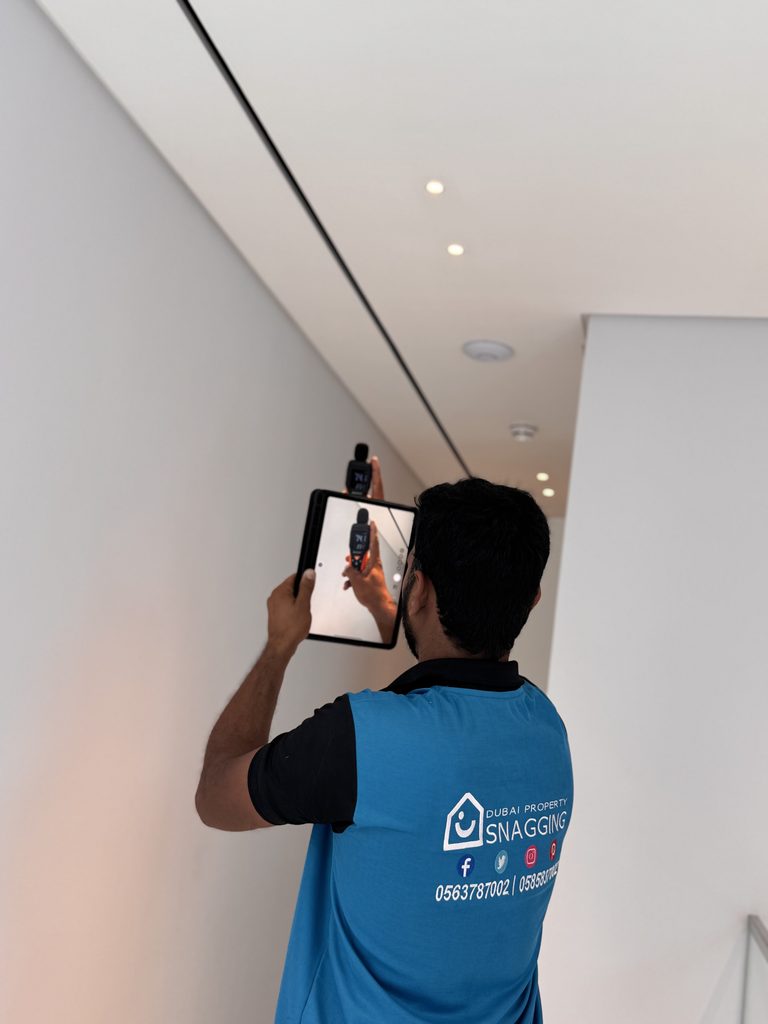
The de snagging process confirms that the snagging issues identified earlier were adequately addressed. If you complete both procedures on the same day, evaluating rectification works remains difficult, and you should treat the developer’s response with caution. Accordingly, the de snagging inspection allows buyers to ensure that the developer made the necessary corrections before finalizing the handover.
It is worth noting that some companies offer snagging and de snagging inspections for an additional fee, whereas others include the follow-up inspection in the initial price. It is always a good idea to request clarification to avoid unpleasant surprises later.
The Defect Liability Period (DLP)
DLP stands for defect liability period. The defect liability period definition refers to a period set in the sale and purchase agreement during which the seller has a legal obligation to rectify any defects that occur after the property handover, at the seller’s expense.
The defect liability period in Dubai is commonly one year from the handover date for installation-related and finishing defects. On the other hand, there is typically a much longer defect liability period (usually 10 years) for substantial structural issues. It is essential to go through the sale and purchase agreement’s fine print to determine what defects fall under the defect liability period, the start and end date, and the details of the defect notification process.
A growing number of owners opt for a second inspection before the one-year mark to ensure that they do not overlook any additional snags. Remember that the developer must provide the necessary time and resources to address the identified issues. Ideally, a defect notification should be in writing and always include the reference number and the date.
If disputes arise regarding a snag’s nature and the ability to address it under the defect liability period, an independent expert’s opinion should always be requested.
What is Built-Up Area?
Built up area is a term that often appears in the real estate sector, and it is essential for clients to understand it. You may also need this information to obtain a snagging report quote, especially since many companies calculate the cost based on built up area. So, what is built up area? It refers to the property’s total area that includes the internal carpet area and the thickness of the walls. Typically, it also covers the balconies or terraces, if any, depending on the calculation method used by your developer.
The built-up area differs from the plot or land area because it only covers a specific property portion. On the other hand, the built up area also has to be differentiated from the net internal area, which only accounts for the internal carpet area. Some companies, including real estate agents, use BUA (built-up area) as a reference for their calculations.
A professional snagging inspector will conduct the property inspection according to the built up area, so this information may be needed when requesting a snagging report quote. The snagging cost varies depending on the property size, and this area needs to be clarified, as there might be discrepancies between the buyer’s expectations and the developer’s records.
UAE Building Codes and Standards and What They Do Not Cover
Dubai Municipality and government entities have local building regulations applicable to all construction projects. As such, all construction works need to follow the relevant rules and guidelines to satisfy the minimum safety and quality control standards.
A snagging inspection is different from a building inspection. A professional inspector performs a visual inspection, checking the workmanship, fittings, and accessible systems against the client’s requirements. It is essential to note that a snagging inspector does not provide a building regulation certification, nor do they replace structural surveys, electrical inspections, or other building surveys conducted by specialized surveyors. If the snagging inspector suspects that a snagging issue is related to a more complex building defect, the report will highlight this concern and recommend that the client turns to a specialist surveyor.
Choosing the Right Snagging Company in Dubai: A Buyer’s Guide
There are many snagging companies in Dubai, offering a wide range of services and varying levels of quality. First, it is essential to identify credible companies that have the appropriate certifications, licenses, and insurance for the assigned task. InterNACHI, for example, has a database of certified inspectors in the region. The company’s licensed inspectors can provide references, and clients should always inquire about the level of experience of a chosen inspector, as well as the types of properties they have reviewed.
Next, it is essential to ensure that the company has a valid license from Dubai Municipality. According to the city’s regulations, contractors can only operate legally if their licenses fall under the appropriate trades. When choosing a snagging company, it is essential to ask for documentation and inquire about the range of inspections the company can perform.
In addition, clients should ask for a sample report. A competent company will be able to provide sufficient information regarding the details of a snagging inspection. A reliable snagging report will highlight and describe each snag on the snagging list in detail, noting their location and providing photographs, if available.
At this stage, it is also essential to review the scope of the snagging inspection and the terms and conditions. Some companies may use a comprehensive snagging list as the basis for their inspections, whereas others tend to review only a specific set of elements, such as fixtures and finishes. It is essential to clarify the scope, as well as the additional costs associated with de snagging, the turnaround time, and many other details.
Finally, clients should compare the offers, focusing on what is included rather than the final price. The cheapest company might have a limited scope of works, while a mid-range company can provide all the necessary services.
When to Book Your Inspection and Who Will Receive the Snagging Report
Timing is of the utmost importance, especially when it comes to snagging inspections. We should schedule the initial inspection before the handover date to ensure the report’s findings influence the handover process. As such, it is essential to book the inspection early enough to allow the developer to complete all the required works before the handover day. It is also necessary to schedule the de snagging process to come after the developer confirms that all the issues have been addressed to the satisfaction of the snagging inspector.
Finally, it is always a good idea to book a second snagging inspection shortly before the end of the defect liability period, so there is enough time for the developer to address any additional issues. However, avoid booking the inspection too late, as the developer will need time to review the report and make the necessary corrections.
Always remember that the snagging report is a powerful tool that can help you hold the developer accountable. The snagging inspection covers the property’s fixtures, finishes, and accessible mechanical systems, identifying details that might otherwise be overlooked. Therefore, you should share the snagging report with the developer before the handover.
Dubai Property Snagging ® hires highly qualified and experienced InterNACHI certified inspectors as part of its DED-licensed, RERA-approved local inspection services. We offer photo-based snagging reports. The developer can review them, followed by a return visit to confirm the necessary corrections to your property. We invite you to contact us at +971 56 378 7002 or book your inspection online to learn more about our snagging report services.