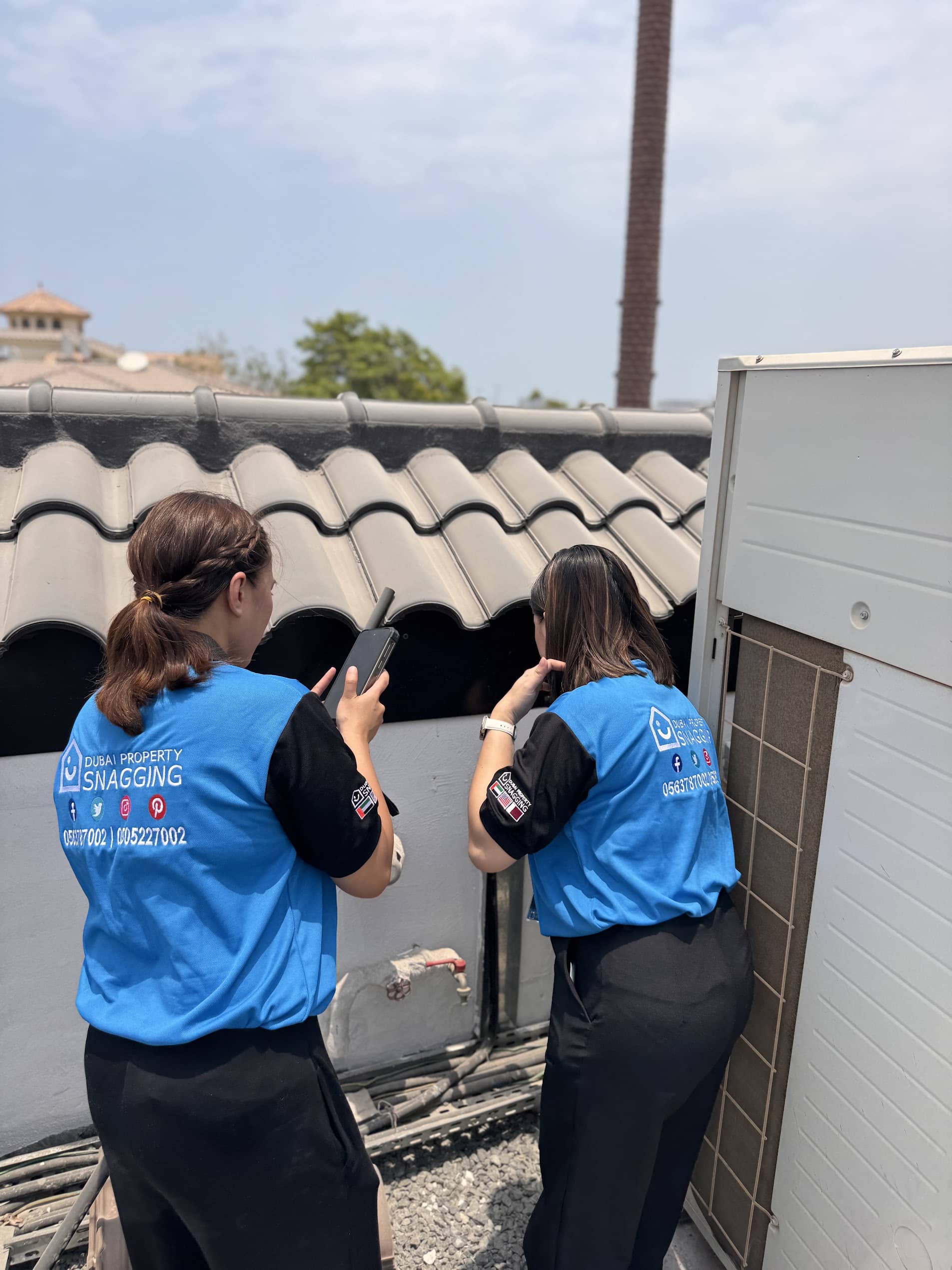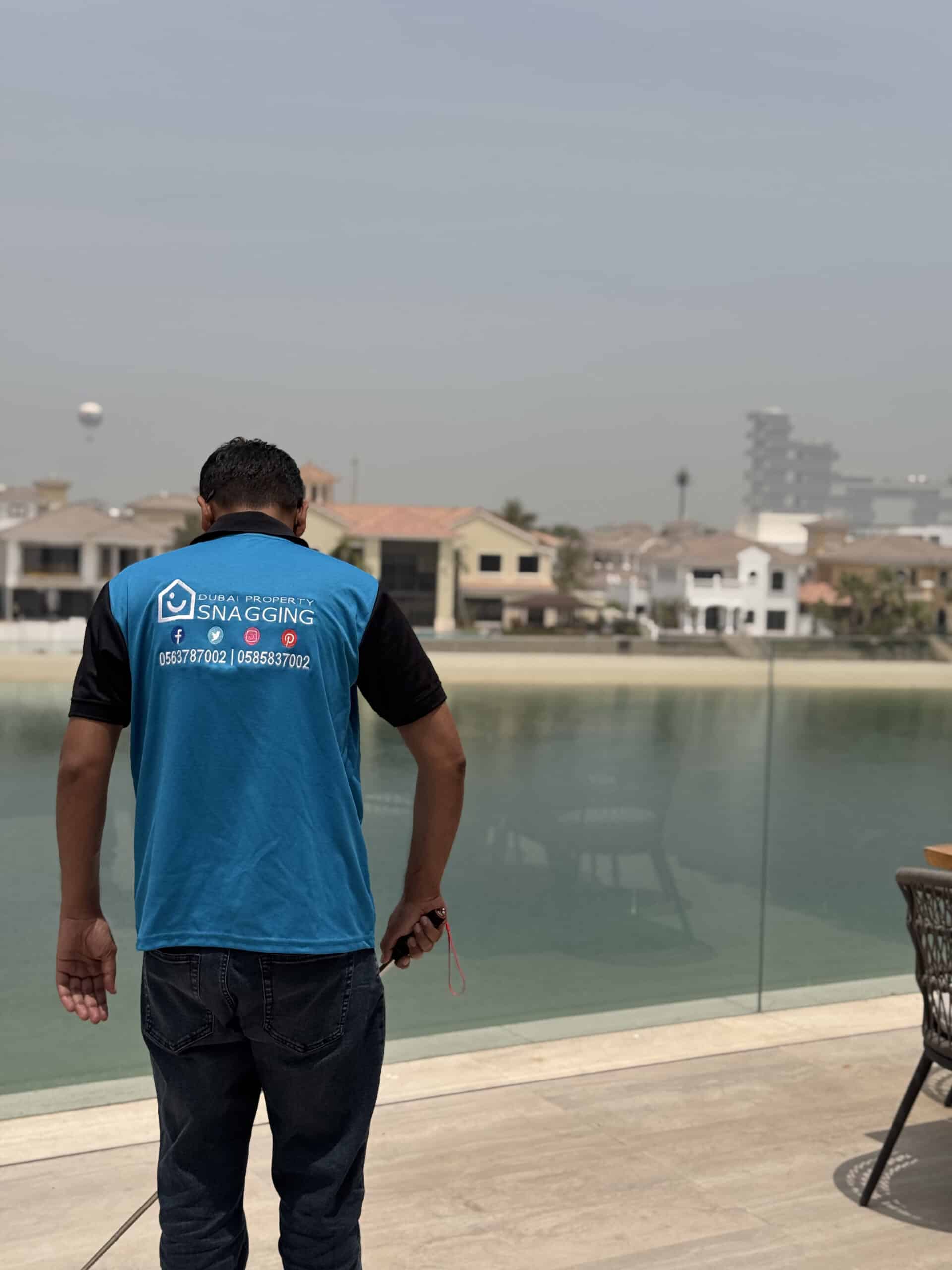
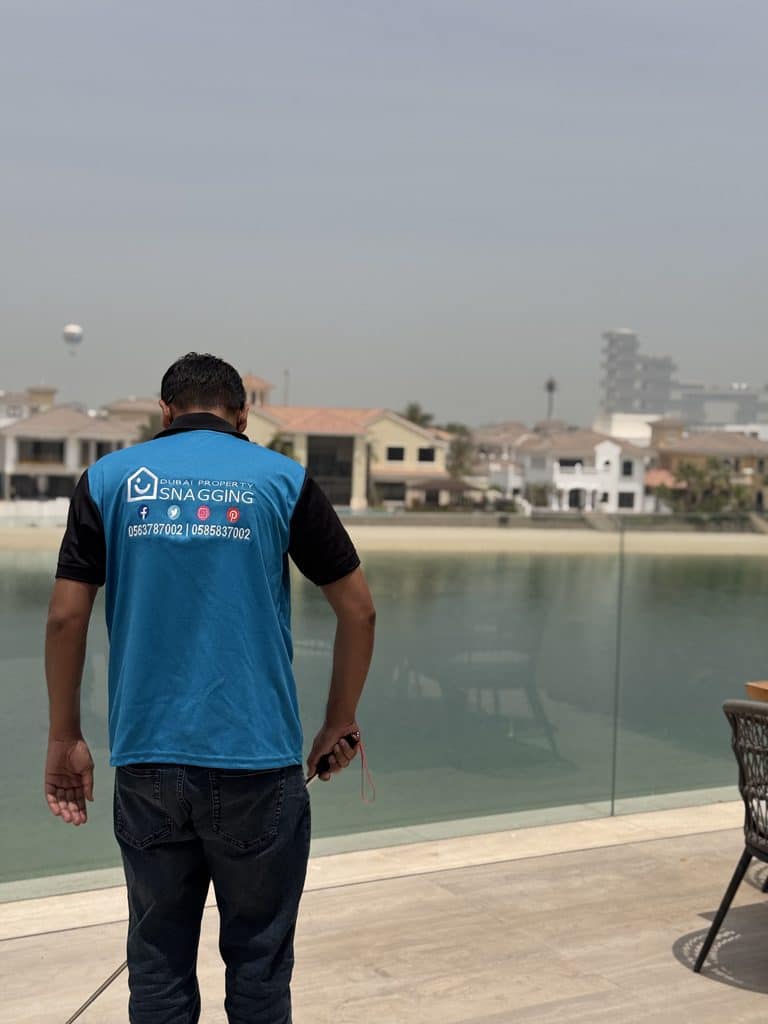
Purchasing a private island villa in Dubai is an exciting investment. However, before receiving the keys, it is essential to arrange a detailed inspection to identify any potential issues. Property Snagging Dubai helps buyers assess the property’s condition and spot visible defects before handover. The inspection should cover everything from waterfront-facing windows and private pools to drainage systems, air conditioning, and high-end finishes. Many luxury villas have high-end features like large glass doors, private terraces and swimming pools and landscaped gardens. Whilst everything may appear perfect when viewing the property, there may be some issues with the doors, taps, air conditioning and outside drainage. Some issues may be aesthetic whilst others may be technical. Having a property inspection (snagging) by Dubai buyers means you can have a good detailed look at the areas of the property you can access. This will give you the opportunity to note down any issues you have noticed.
Why you may need a more detailed inspection for your private island villa.
Usually, a quick walk through will just identify any aesthetic issues with the property. You will have a look at the living room, kitchen, bedrooms, bathrooms and outside views. Whilst these are all important areas to look at, they don’t give the whole picture.
Private islands and waterfront villas have lots of outside areas. This may include large external walls, lots of glass, outside kitchens, swimming pools, terraces and specialized building works.
As it is a coastal property, you may want to have a look at any external areas that may have suffered from the salt in the air and humidity. Whilst not all waterfront villas will suffer from issues with corrosion and moisture, it is still a good idea to take a good look at any external areas you can access.
Some private island properties will need planning in advance to get the correct permissions in place for the transfer, and it may be harder to get a suitable time in for your inspection if you leave it late.
Having a planned inspection means you can have a better look around the property.
1. External walls and finishes
The elements expose your villa to weather year-round. Have a look around the external areas you can access. Look for any cracks, chipped paint, uneven render, damaged cladding and gaps around the joins. Pay particular attention to the areas where the walls join windows, doors, terraces and other external areas. This is a key area to look at as if there are any issues with the finish or sealing, moisture may get into the property.
Look at the boundary walls, gates, garage doors and outside lights (if included). Ensure there are no visible issues, loose fittings, incomplete paint or anything that isn’t working as it should.
If it’s a waterfront property, pay particular attention to any external metal fittings and railings. Note any visible corrosion.
Whilst a visual inspection can’t tell you how serious the cracks are or how the hidden materials are, if there are any unusual cracks, movement or lots of damage, you may need to have the correct specialist come in to have a look.
2. Large windows and sliding glass doors
Many luxury villas will have large windows to let plenty of natural light in and give great views. Make sure you can open and close any accessible windows and sliding doors. Check they move smoothly and the handles, locks, hinges and fittings are working.
Look for any scratches, damaged glass, misalignment, incomplete silicone and any gaps around the frames. Look at where the frames join the walls and flooring to ensure there isn’t any incomplete work.
If it’s a waterfront property, pay particular attention to any external metal fittings. If there are any visible signs of corrosion, note these down.
You shouldn’t try to check how strong the glass is. If you’re concerned about the glass being certified or the structural integrity, you will need to have a specialist come in.
3. Terraces & external drainage
Terraces are often one of the most beautiful areas of a private island villa. They may link to your living room, swimming pool, garden and/or the waterfront.
Ensure there aren’t any issues with the finishes. Look at the accessible areas to make sure there aren’t any cracks in the tiles, damaged grouting, uneven surfaces, chipped edges and incomplete joins.
Look at the drainage to make sure there aren’t any issues. If there are no signs of damp, you may not notice any drainage issues whilst you’re there. You should also consider any reports or previous issues. Take note of any damaged silicone around where the terrace meets the external doors. There shouldn’t be any gaps and there shouldn’t be any signs of damp.
During a standard visual inspection, inspectors cannot check hidden waterproofing. If you’re concerned about water entering, ask whether you need a further technical inspection.
4. Swimming pool and pool area
A private swimming pool can be a real highlight of a luxury villa. Just because it looks complete, doesn’t mean it will be ready to use regularly.
Start by looking at the finishes. Ensure there aren’t any cracks, chipped areas, damaged areas or incomplete work around the edges of the pool, tiles, grouting, coping and accessible paving.
When you have commissioned the pool and it is safe to use, you may have a quick look. Ensure the accessible controls are working and there are no visible signs of leakage.
Look at the pool area. This may include outdoor showers, lights, drainage, steps and safety features.
Whilst a standard villa inspection won’t include a specialist commission, you may need to have a specialist come in to look at the pool. This may include underwater inspections, detailed checks of the equipment, structural integrity and electrical safety. The correct qualified professionals will need to perform this.
If you haven’t commissioned it, note it down.
5. Plumbing issues & signs of leaking
A newly built property can suffer real water issues. Whilst you may not notice a small leak under your kitchen sink or around a bathroom fitting during your short viewing, it could cause issues once you start using the property.
Have a look at the accessible taps, sinks, toilets, showers and pipe connections. If the water is available and it’s safe to use the fittings, ensure the water is flowing and draining as it should.
Look under the accessible sinks for any signs of moisture. Check the ceilings, corners of the walls, shower and flooring in the bathrooms for any unusual staining.
Look for any damaged grouting and incomplete silicone around the basins, showers and other wet areas. Note these down.
Visible water staining doesn’t necessarily mean this is where the leak is coming from. The water may be traveling through hidden areas before reaching the wall or ceiling. Further investigation may be required.
6. When should I consider Leak Detection Dubai?
A standard visual inspection will show any visible signs of water damage. However, if there is a leak hidden behind a wall, under the flooring or in an inaccessible pipe connection, it may not be identified.
This is where Leak Detection Dubai may come into play. Depending on the issue you’re concerned about, specialist methods can be used to investigate any moisture or suspected leaks without having to open up large areas of the finished property.
Using a moisture meter may help identify any damp in accessible areas. Thermal imaging can help identify any areas that need further investigation. However, this doesn’t necessarily mean there is a leak and the moisture meter doesn’t always identify the source.
If you can smell a damp smell, there is a recurring stain on your ceiling, there is unexplained moisture or water around a window or bathroom fitting, note this down. Speak to the seller about having a specialist investigate.
It’s a good idea to raise any concerns as a buyer if you can.
7. Air conditioning
Air conditioning is essential in Dubai, especially during the hotter months. Luxury villas may have multiple cooling areas, individual thermostats, hidden units and different ventilation.
Turn on the normal controls if you can and it’s safe to do so. Give it enough time to react and ensure the air is coming out of the correct vents.
Listen for any unusual noises, odors, damaged vents and visible moisture around the accessible areas. If there are multiple cooling areas, check the accessible controls.
Whilst this is a basic check to see if it’s working, it won’t tell you the full technical condition. If it’s not cooling well or there are unusual noises and moisture, a qualified technician may need to come in.
8. Kitchen, bathrooms & luxury finishes
Luxury villas may have natural stone, made-to-measure cabinetry, decorative wall panels, premium sanitary ware and bespoke lighting. Ensure they match the agreed property specification.
Check the worktops for any chipping, scratching, damaged edges and uneven joins. Open the cupboards and drawers to ensure they’re working smoothly and the fittings are secure.
If there are any appliances, make sure they match the agreed specification. Check they’re working if they’ve been installed.
Check the bathroom tiles, grouting, shower fittings, sanitary ware, mirrors, cabinets & silicone. Ensure there are no visible signs of leakage, damaged areas, misalignment and incomplete joins.
Look at the transitions between the flooring and skirting boards. A small gap or damaged edge may not be an issue when the property is empty, however it can be more noticeable once furniture has been added.
9. Electrical fittings & smart home
Many modern villas will have smart lighting, thermostats, motorized blinds, security systems and access controls.
These should be included in your inspection if they are part of the agreed specification.
Turn on any accessible switches and normal controls. Ensure the lights are working as they should and any smart home features are working.
Check there aren’t any missing control panels, damaged switches, loose fittings and visible issues with the installation. If there were any systems that couldn’t be tested, note these down.
Don’t touch any electrical panels or exposed wiring during your standard walk through. If you have any technical questions regarding the circuits, you will need a specialist to come in.
10. Why having a professional inspection by Dubai buyers can help
Many people ask if they can have a look round the villa themselves. Whilst this is a great idea, having a professional inspection by Dubai buyers can give you a more detailed look. An experienced inspector will carry out the inspection based on an agreed scope and will check all the accessible features. They will then produce a report.
The report should indicate what area the issue was found in. Including pictures can help to show exactly where the issue was. Especially if there are lots of rooms and external areas.
This is a great idea if you’re buying from overseas or don’t have several hours to spend looking round the property.
Ask what the service includes. Will they look at external areas and the pool area? What systems can be tested? Will they have a specialist leak investigation?
The aim is to understand what you can see is the condition of the property.
11. Choosing the correct snagging company
There are a few things to consider when choosing a snagging company.
Ensure they have experience in the type of property you’re purchasing. A private island villa with a swimming pool, lots of glass and external areas may require a different scope of inspection compared to an apartment.
Ask what the report will include. Are there pictures? Are the issues clearly described? Is there a mention of what room the issue was in? Can you understand what items need further technical investigation?
Ask what they don’t include. Hidden structural elements, underwater pool elements, specialist marine systems and invasive testing may not be included.
Access is a big factor for a private island property. Ensure they can gain the correct permissions, boat/ferry transfers and have a contact on site.
A reliable provider should be transparent about what they can and can’t find. Don’t be tempted to choose a company that promise they will find all the hidden issues and the developer will fix everything.
12. When is the best time to have an inspection?
Ideally, you will want to have an inspection:
Before handover – This can be a great time to note any visible issues. If the developer will allow it.
After handover – If the property has been handed over, have an inspection when you have concerns. Follow the correct process for reporting defects.
Before defect liability – Check your documents to ensure you’re not waiting until the last minute.
Before purchasing a resale villa – Having an inspection can give you some information on the visible condition.
If you’re buying an off-plan property, ensure you look at the handover instructions early. This will give you time to organize access, agree what will be included and understand how to report the issues.
13. What should a good snagging report include?
An inspection won’t be helpful if you don’t communicate the findings.
A good report should include what area was looked at, what issues were found and include pictures. It should also identify what was an aesthetic issue, what was an issue with how it was working and what needs a specialist investigation.
Instead of writing ‘water issue in bathroom’, write something more specific. For example, ‘there was an issue with the water in the bathroom. It was under the basin and there was visible dripping from the accessible connection’.
Instead of writing ‘bad windows’, explain what window it was and why. Did the sealing have any issue? Was it difficult to open? Was there visible damage to the frame?
This will help the developer/contractor to know where the issue was.
Once any repairs have been completed, try to review the issues mentioned. If there is still an issue, note this down and follow the correct process.
Protect your investment
A luxury waterfront property should be checked with the same care as you would have when choosing and purchasing. Whilst it’s important that the interiors look beautiful and the views over the sea are stunning, it’s also important to ensure the finishes, accessible installations, drainage and building works are of a high standard.
Having an inspection by Dubai buyers means you can have a structured look at any visible issues and follow the correct process to raise any concerns. From the large glass doors, terrace drainage, pool area, bathrooms, air conditioning and external finishes, having a detailed inspection will give you a good understanding of the condition of your home.
If there are any signs of water damage, you may want to consider a specialist leak detection Dubai service.
Plan ahead and ensure you have a good scope. Whilst a professional inspection won’t guarantee there are zero issues, it will help you make a more informed decision. Whether you’re buying a new waterfront villa or looking at an existing luxury property, take your time to inspect properly.