RERA Approved · InterNACHI Certified · Apartments & Villas

Defect Liability Period (DLP) Inspection in Dubai

Your property may look perfect on the day you get the keys. Then, after months of normal use, cracks appear, the air conditioning struggles and plumbing issues surface. Our end-of-warranty snagging inspection documents visible defects and functional concerns before your applicable defect liability period or warranty ends, so you have a clear, photo-supported record to report to the developer or responsible party.

98,000+ inspections Apartments & villas Photo supported reports 4.9★ from 518 reviews

Approaching the end of your property's DLP? Arrange the inspection before the applicable deadline, so you have time to review the findings and report relevant defects. Leaving it to the final week leaves little room to inspect, receive the report and raise formal queries.

What Is a Defect Liability Period (DLP)?

A Defect Liability Period is a period set out in the construction contract, sale documents or other agreement during which the responsible party can review reported defects and rectify them.

For Dubai property owners it matters most after taking possession of a newly built home, because some construction and installation defects only become apparent once the property is lived in.

The applicable time frame, reporting procedure and repair responsibilities all depend on your agreement and circumstances. A DLP does not cover every defect, and an inspection alone does not guarantee that a developer will accept a claim. What it does give you is a documented view of the property's condition while reporting may still be possible.

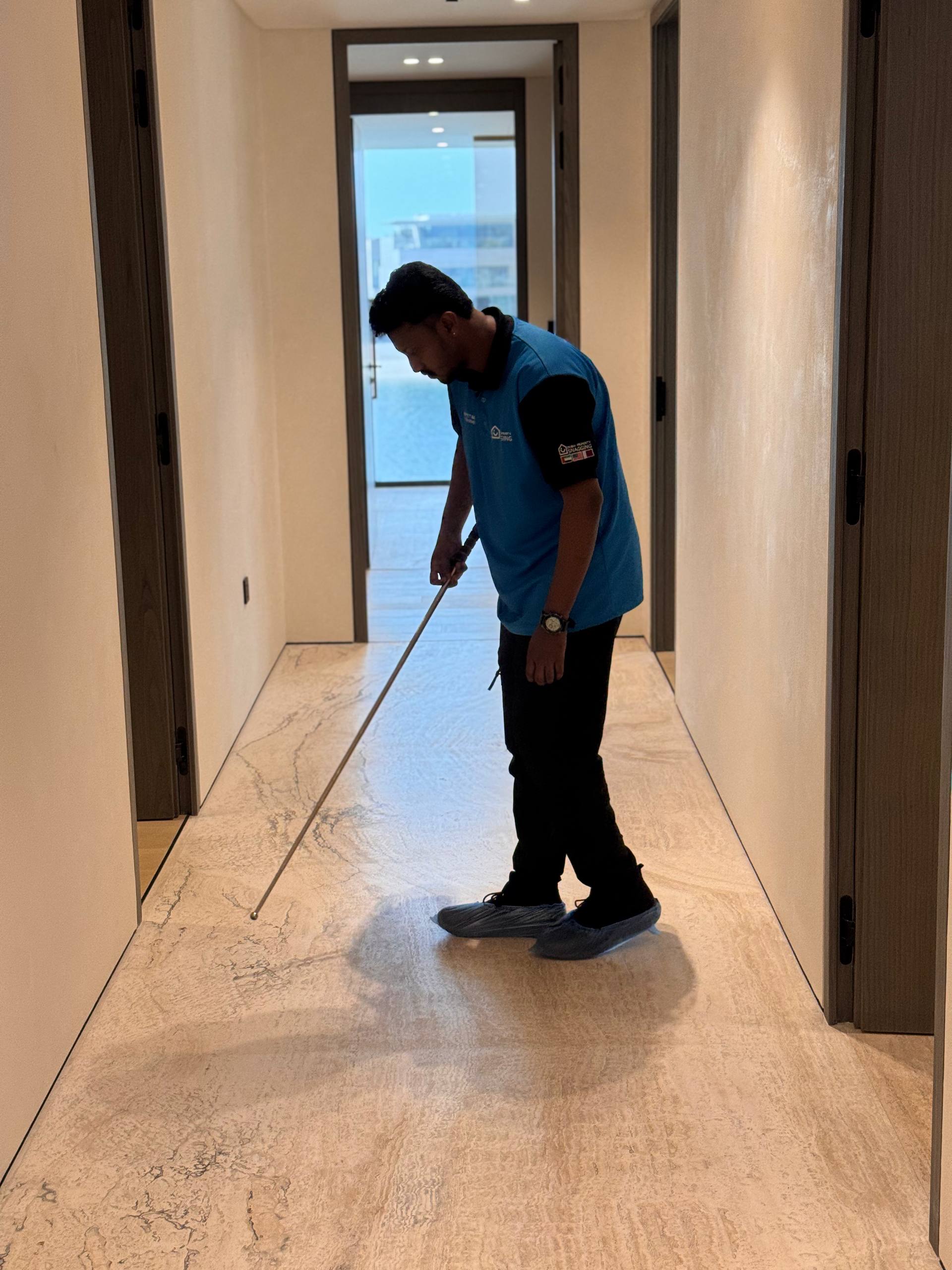
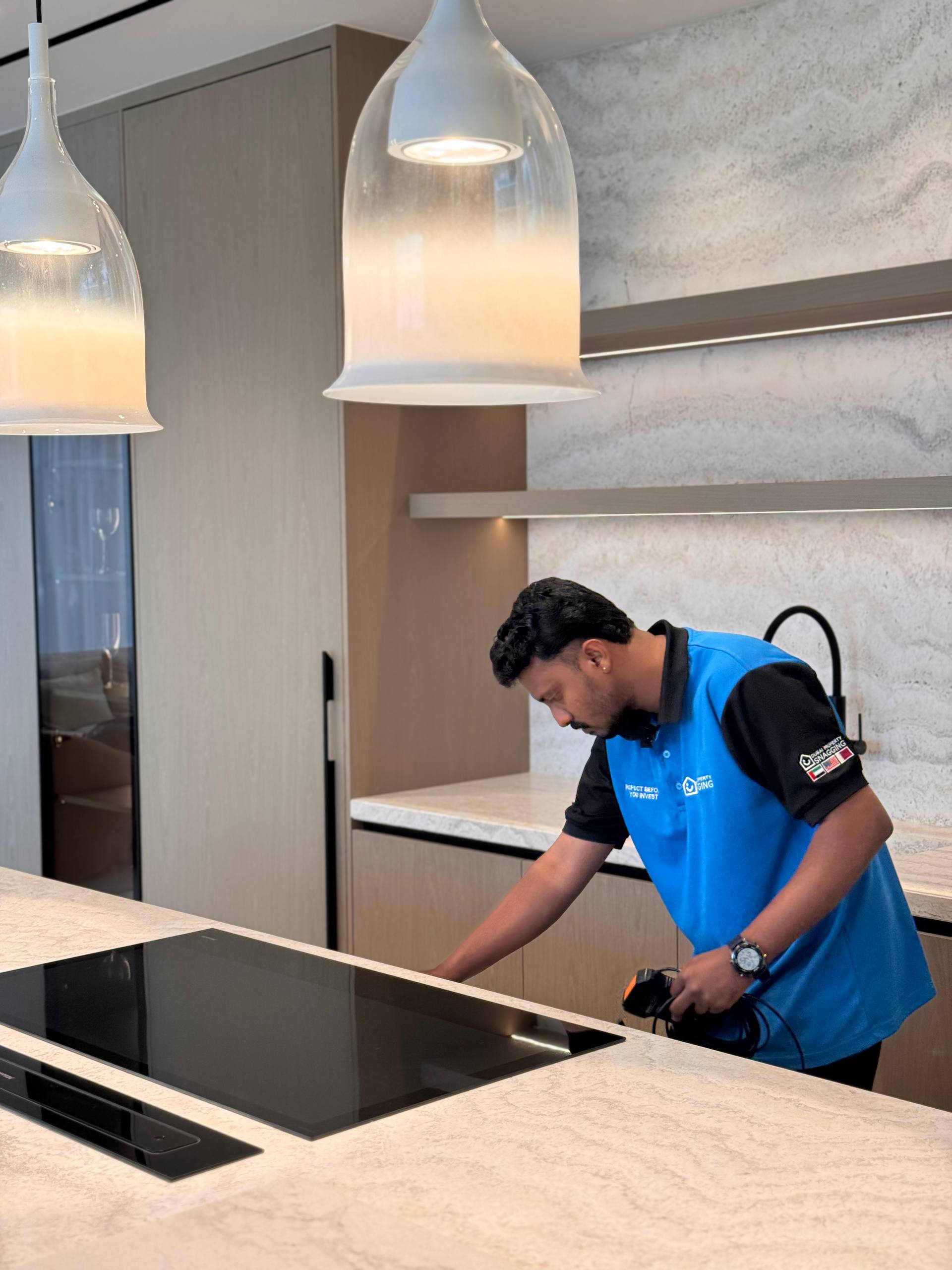
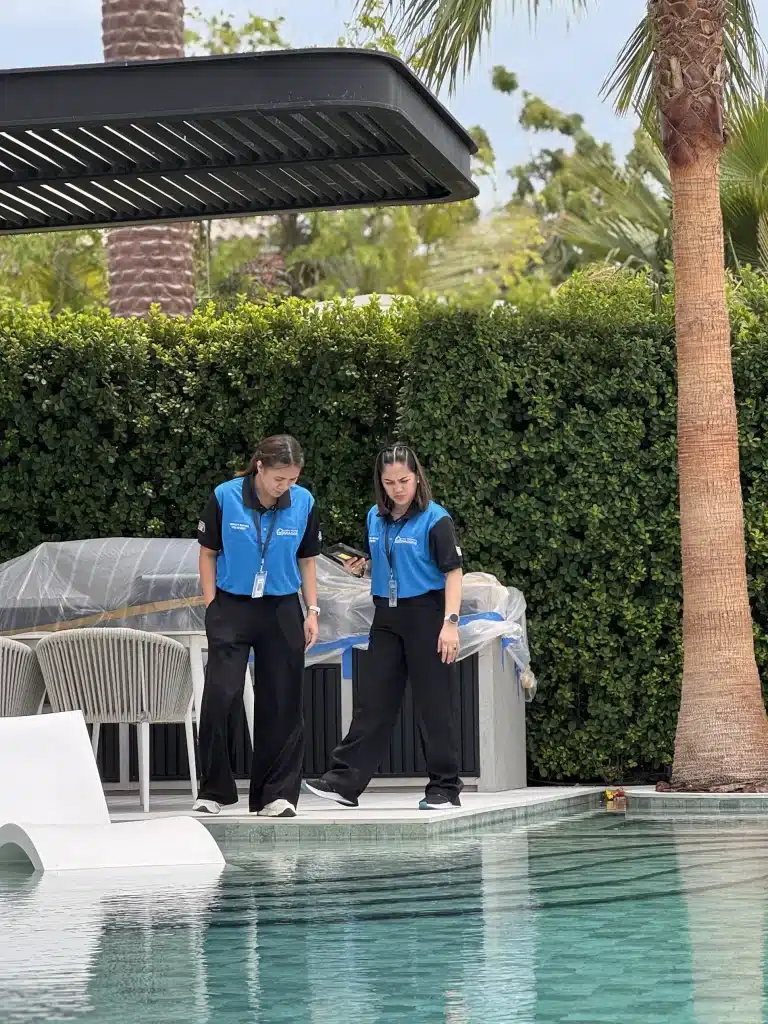
Engineer documenting defects during a DLP end-of-warranty inspection in a Dubai property
Defects documented with photographs and exact locations.

What Is DLP or End-of-Warranty Snagging?

Unlike a pre-handover inspection, which captures the property at delivery, a DLP inspection looks at what has emerged during occupation.

Cracks at door framesA few months after move-in, hairline cracks can appear around frames and joints.
Dampness in wet areasA bathroom that looked fine at handover may start to show signs of moisture.
Equipment that failsAn air conditioner in daily use may begin to underperform or malfunction.

The aim is not just another snagging report. It is an assessment of the property's condition at the point that matters for defect reporting.

Why Book a DLP Inspection Before Your Warranty Ends?

Many owners assume that anything wrong would have shown at handover. Some issues only appear after a period of occupation.

Find defects that emerge over time

With continual use, items that were fine at first can fail: leaking fittings, sealant failure, cracking and air conditioning problems.

A clear record, not just a description

Photos and exact locations help the receiving party investigate and respond faster than a written description alone.

Time to report the findings

Booking in advance leaves room to receive the report, understand it and follow the developer's reporting procedure.

A long-term maintenance record

As a homeowner or landlord, the report helps plan future maintenance and catch items that are starting to fail before they become bigger problems.

Cover and obligations are determined separately under your applicable agreement and the developer's requirements.

What Our DLP Inspection Covers

Defects, functional concerns and deterioration within the agreed scope. We confirm the exact coverage when you book, based on your property's layout.

Walls, Ceilings & Internal Finishes

Visible cracks, peeling or uneven paint, stains, damaged plaster and gaps. Signs of moisture or recurring cracking are recorded for further assessment by a suitably qualified specialist.

Plumbing & Sanitary Fixtures

Visible condition and operation of taps, sinks, toilets, drainage points, shower fittings and accessible pipe connections. We note dripping, slow drainage, visible leakage and damaged sealant.

Air Conditioning & Ventilation

Basic operational checks of accessible controls, visible air outlets and the areas around the equipment. We document unusual noise, apparent cooling concerns and visible moisture.

Doors, Windows & Fittings

Visible condition and normal operation of locks, handles, hinges and frames. We record damaged seals, misaligned fittings, visible gaps and doors or windows that are hard to open or close.

Flooring, Tiles & Skirting

Cracked or chipped tiles, damaged flooring, uneven transitions, deteriorating grout and loose or damaged skirting. If movement or water ingress is suspected, further technical assessment is recommended.

Kitchen Cabinets & Fixtures

Cupboards, drawers, worktops, sinks and accessible fittings checked for visible damage and normal operation. Included appliances can be covered if they fall within the agreed scope and can be tested safely.

Balconies & Accessible External Areas

Where the agreed scope covers it, we examine balconies, terraces and accessible external areas for cracks, worn finishes, staining, drainage problems and signs of water ingress. The inspection does not automatically verify concealed waterproofing, structural integrity or compliance with specialist technical requirements; concerns in these areas may need additional investigation.

Good to know: a visual inspection cannot establish the cause or severity of every crack, stain or leak. Concealed pipework, hidden leaks and technical HVAC performance may need specialist testing. Our thermal imaging and water leak detection services can be discussed when you book.

DLP Inspection for Apartments and Villas in Dubai

Different properties have different needs, so we tailor the scope to your property rather than relying on a standard checklist.

Apartment DLP Inspection

Typically focuses on internal finishes, bathrooms, kitchen fittings, windows, doors, air conditioning, flooring, and accessible plumbing and electrical fixtures. Balconies, storage areas and other private facilities can be added when we confirm the scope.

Owners can use the findings to build a documented list of concerns to review before the relevant reporting period ends.

Apartment snagging services →

Villa DLP Inspection

Covers internal living areas plus accessible areas relevant to the property's design. Depending on scope, that can include external walls, terraces, boundary walls, external doors, garages and other features, along with air conditioning, plumbing, visible drainage concerns and installed fixtures.

Areas that need specialist access or testing are identified in advance.

Villa snagging services →

Our DLP Inspection Process

A straightforward process with clear documentation, so you understand the findings and your next steps.

  1. 1

    Discuss your property and DLP deadline

    Tell us whether you own an apartment or villa, when your defect liability or warranty period is expected to end, and any concerns you have already noticed. Keep your handover documents and developer correspondence ready.

  2. 2

    Arrange the inspection

    Confirm the address, access arrangements, scope and appointment. Booking well before the applicable deadline leaves time to review and submit your findings.

  3. 3

    Inspect accessible areas

    The inspection focuses on visible defects, accessible fixtures and agreed functional checks, with particular attention to areas where problems have been reported or deterioration is visible.

  4. 4

    Document the findings

    Each observed concern is recorded with a description and, where included in the service, supporting photographs, so it is easy to understand and locate.

  5. 5

    Review and report relevant defects

    Review the findings and follow the developer's or contractual reporting procedure. Submit applicable concerns within the required time frame and keep copies of the report and all correspondence.

  6. 6

    Follow up on rectification

    If repairs are carried out, check whether the reported items were actually addressed. A follow-up or re-inspection can be discussed separately, if required and available.

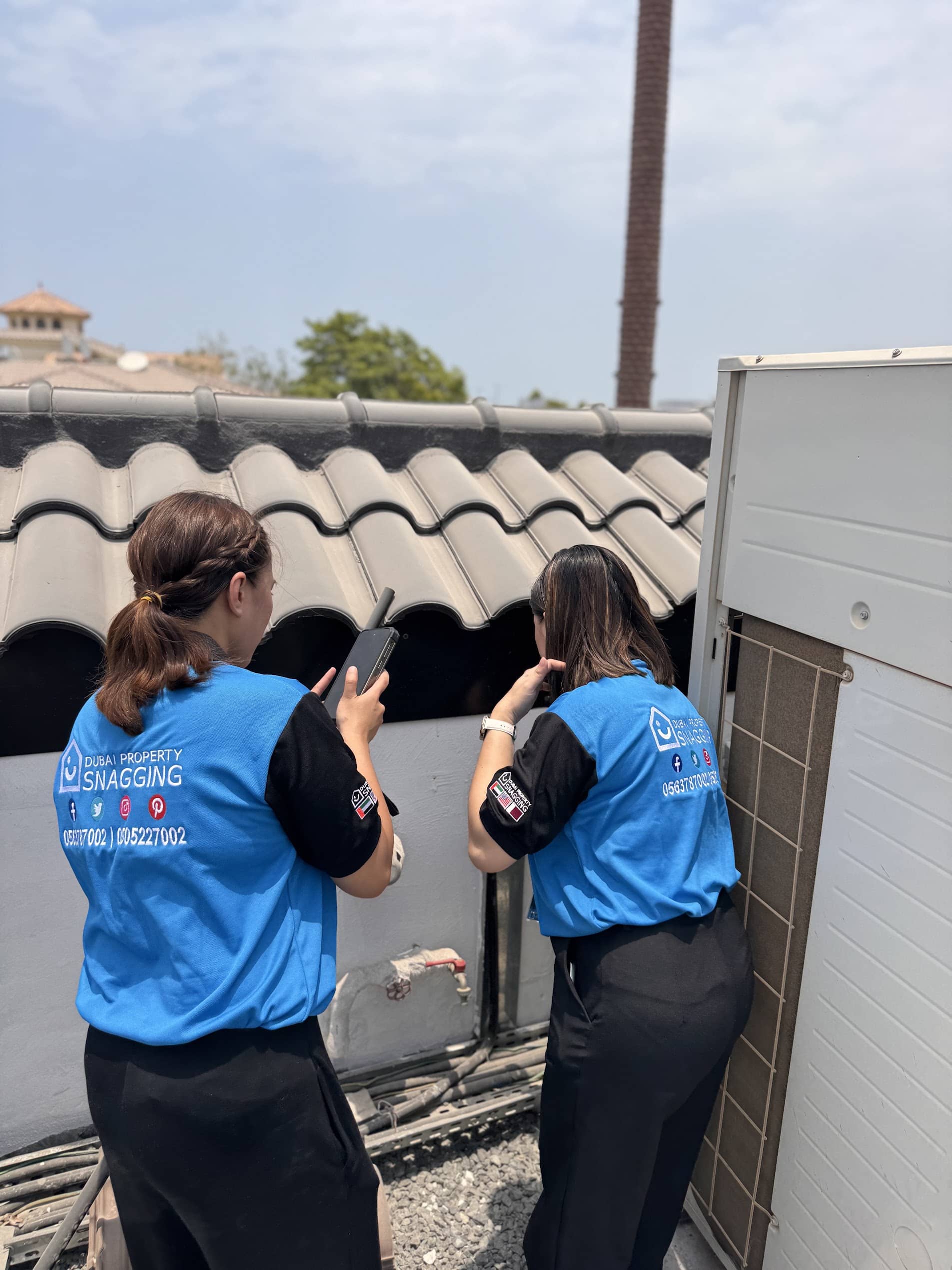
Defects marked on a snag list during an end-of-warranty inspection in Dubai
Early booking leaves time to report, not just to inspect.

When Should You Book an End-of-Warranty Inspection?

The best time depends on your contract, the developer's reporting procedure and the nature of the issues. As a rule of thumb, don't leave it until the last week.

If you have already noticed water leaks, electrical problems or unusual cracks, don't wait for the deadline to approach before reporting them.

Keep these ready for the inspection:

  • Handover inventory and snag lists
  • Warranty and defect liability documents
  • Maintenance records
  • Photos of existing issues
  • Developer correspondence

DLP Inspection vs. Pre-Handover Snagging

Both identify defects, but they serve different purposes.

Pre-handover snaggingDLP / end-of-warranty snagging
Focuses on the property's condition before or around handoverFocuses on the condition during the applicable defect liability or warranty period
Identifies visible defects and incomplete work at initial deliveryDocuments defects, deterioration or functional concerns that appeared during occupation
Establishes an initial record before moving inProvides a later record of the property's condition
Helps the owner report concerns through the handover processHelps the owner identify and report relevant concerns before the applicable deadline

The two reports complement each other. Comparing them may help show how the property's condition has changed, although reports alone do not establish the cause of every defect or guarantee that it is covered. See our handover snagging service.

Why Owners Choose Dubai Property Snagging ® ® for DLP Inspections

We inspect, never repairWe hold no repair contracts, so nothing in your report is a sales pitch.
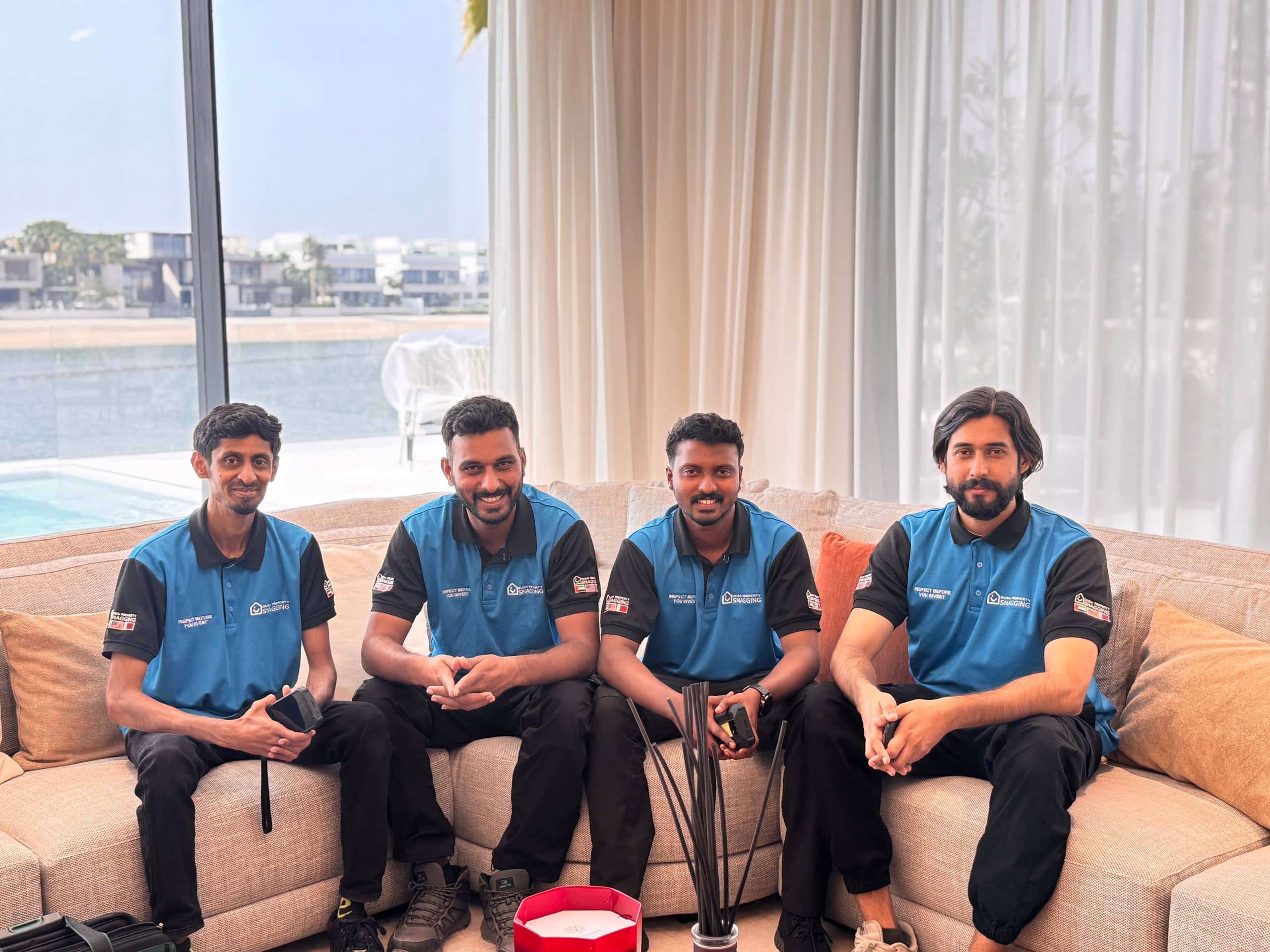
RERA approved, DED certifiedInterNACHI accredited engineers with 98,000+ inspections completed.
Scope matched to your propertyApartment and villa scopes confirmed up front, with exclusions stated clearly.
Photo-supported findingsDescriptions and locations that are easy for the receiving party to act on.
Specialist testing on requestThermal imaging and leak detection can be discussed for concerns a visual check can't resolve.
Follow-up availableRe-inspection can be discussed to check that reported items were genuinely addressed.

DLP Inspection — Frequently Asked Questions

What is a DLP inspection?

A DLP inspection is an end-of-warranty snagging inspection carried out during the applicable defect liability or warranty period. It documents visible defects, functional concerns and deterioration that have emerged during occupation, so they can be reported to the developer or responsible party.

When should I book a DLP inspection?

Book well before your applicable deadline, not in the final week. That leaves time to receive the report, review the findings and follow the developer's reporting procedure. If you have already noticed leaks, electrical problems or unusual cracks, report them without waiting.

Does a DLP inspection guarantee the developer will fix every defect?

No. Whether a reported item is accepted for rectification depends on your agreement and the circumstances, and the developer or responsible party makes that decision. An inspection gives you a documented record of the property's condition; it does not guarantee that every defect will be identified or accepted.

What is the difference between DLP snagging and pre-handover snagging?

Pre-handover snagging captures the property's condition before or around handover. DLP snagging assesses the condition during the defect liability or warranty period, including defects and deterioration that appeared during occupation. The two reports can complement each other.

Can a DLP inspection find hidden leaks?

A standard visual inspection records visible and accessible concerns. Concealed pipework and hidden leaks may need additional testing, such as thermal imaging or leak detection, which can be discussed when you book.

Do you inspect both apartments and villas?

Yes. We tailor the inspection scope to the property type. Apartment inspections focus on internal finishes, fixtures and accessible systems, while villa inspections can also cover accessible external areas such as terraces, boundary walls and garages, depending on the agreed scope.

What should I prepare before the inspection?

Keep your handover inventory, warranty or defect liability documents, maintenance records, photos of existing issues and developer correspondence ready. Tell us your property type, approximate handover date and expected DLP deadline when you enquire.

Check Your Property Before the Warranty Ends

Tell us your property type, approximate handover date, expected DLP deadline and any concerns you have already noticed. We will discuss the right inspection scope and available arrangements.

RERA Approved · DED Certified · InterNACHI Accredited · 98,000+ Inspections

Important note: the applicable defect liability period, warranty coverage, notification requirements and responsibility for rectification depend on the relevant contract and circumstances. Owners should verify the applicable deadline and reporting procedure with their developer or responsible party. A property inspection cannot guarantee that every defect will be identified or accepted for rectification, and it does not replace legal advice or specialist testing.

Property Snagging Dubai: The Complete Pre-Handover Checklist for Homebuyers

property snagging

Additionally, buying a new property in Dubai is an exciting experience. However, after months of waiting, the Handover day, which signals the journey’s end, is approaching. After that, you’ll receive the developer’s confirmation, arrange your appointment, and begin designing furniture and interiors. But there is one important step that should come before all of that: property snagging. A property may look finished at first glance and still have dozens of small defects that need attention. A loose fitting, uneven tile, leaking pipe, damaged cabinet, poor paint finish, or air-conditioning problem may not be obvious during a quick walk through. A proper pre-handover inspection gives you time to find these issues, document them, and ask the developer to rectify them before you fully settle into your new home.

What Is Property Snagging?

Snagging involves a detailed inspection that identifies defects, incomplete or defective installations, and poor finishes before or around the time of property transfer. Usually, it covers all the available finishes in the property, including doors, windows, bathrooms, kitchen, electrical fittings, plumbing, air conditioning, floor, and ceilings.

The main benefit is straightforward: you discover problems before they become your problems to manage.

A professional snagging report also provides the developer with a clear list of items to correct.

Why Should You Inspect Before Handover?

The handover stage plays a major role in the buying process. Once you have moved furniture into the property and started living there, identifying and arranging repairs can become much more inconvenient.

Before handover, the property is generally easier to inspect because rooms are empty and finishes are accessible.

A pre-handover inspection can help you identify:

  • Damaged or uneven tiles
  • Cracks and poor wall finishes
  • Paint defects
  • Misaligned doors and cabinets
  • Window and locking problems
  • Plumbing leaks
  • Drainage issues
  • Electrical faults
  • Air-conditioning concerns
  • Bathroom finishing problems
  • Kitchen installation defects
  • Waterproofing or moisture-related concerns where accessible

In other words, the aim is not to find faults simply for the sake of creating a long report. It is to identify defects that should be corrected before you take full possession of the property.

The Complete Pre-Handover Property Snagging Checklist

Use the following checklist as a starting point when preparing for your inspection.

1. Walls and Ceilings

Start with the most visible surfaces, but don’t just look from the doorway.

Check walls and ceilings for:

  • Cracks
  • Uneven plaster or finishing
  • Paint marks and inconsistent paintwork
  • Scratches and dents
  • Water stains
  • Gaps around fixtures
  • Poorly finished corners and joints

Natural and artificial lighting can reveal different imperfections, so examine surfaces carefully from different angles.

2. Flooring and Tiles

Flooring is another area where small installation problems can become noticeable after moving in.

Look for:

  • Cracked tiles
  • Chipped tiles
  • Uneven flooring
  • Inconsistent grout
  • Missing or damaged grout
  • Large gaps
  • Poor tile alignment
  • Hollow-sounding tiles where appropriate to test

Don’t forget balconies, bathrooms, kitchens, entrances, and other tiled areas.

3. Doors, Windows and Locks

Open and close every accessible door and window rather than assuming they work correctly.

Check whether:

  • Doors open and close smoothly
  • Handles are secure
  • Locks function properly
  • Doors are correctly aligned
  • Window frames appear properly fitted
  • Glass is free from visible damage
  • Sliding windows operate smoothly
  • Seals and visible joints appear intact

A door that looks perfectly fine can still have an alignment or locking problem.

4. Kitchen and Cabinets

The kitchen contains a surprising number of components, so it deserves a detailed inspection.

Check:

  • Cabinet doors
  • Hinges
  • Drawers
  • Handles
  • Countertops
  • Splashbacks
  • Sink and tap
  • Under-sink plumbing
  • Sealant around wet areas
  • Appliance installation where included
  • Visible gaps and alignment issues

Open every cabinet and drawer. However, a quick look at the kitchen from across the room is not enough.

5. Bathrooms

Bathrooms should receive particular attention because water-related defects can cause expensive problems if they remain unnoticed.

Check the:

  • Shower
  • Taps and mixers
  • Toilet
  • Washbasin
  • Drainage
  • Water pressure
  • Fixtures
  • Sealant
  • Tiles and grout
  • Vanity cabinets
  • Mirrors and accessories
  • Exhaust ventilation where accessible

Run water through appropriate fixtures and observe whether drainage works as expected.

6. Plumbing

A professional inspection should look beyond visible taps and sinks.

Accessible plumbing checks can include:

  • Water flow
  • Water pressure
  • Visible pipe connections
  • Leaks beneath sinks
  • Toilet flushing
  • Drainage
  • Water heater operation where applicable
  • Visible signs of moisture

Small leaks are much easier to deal with when they are discovered before they damage cabinets, walls, flooring, or ceilings.

7. Electrical Fixtures

Electrical components should be checked carefully, but safety should always come first. Suspected electrical faults should be assessed by an appropriately qualified professional.

Depending on the inspection scope, checks may include:

  • Switches
  • Power sockets
  • Light fixtures
  • Distribution board
  • Circuit identification
  • Bathroom electrical fixtures
  • Outdoor electrical points where accessible

A professional inspection can identify visible installation concerns and functional issues that may otherwise go unnoticed.

8. Air Conditioning

In Dubai, air conditioning is essential rather than optional.

An inspection should consider whether the system is operating properly and whether there are obvious performance or installation concerns.

Depending on the property’s systems and inspection scope, checks may include:

  • Cooling performance
  • Thermostats
  • Airflow
  • Accessible ductwork
  • Visible condensate drainage
  • Unusual sounds
  • Temperature differences between rooms

AC problems can be particularly frustrating to discover after moving furniture into the property, so checking the system before handover makes sense.

9. Balconies and External Areas

Don’t finish the inspection at the front door.

For apartments, inspect accessible balconies and external doors. For villas and townhouses, the inspection may also extend to other accessible external areas.

Look for:

  • Cracks
  • Damaged tiles
  • Drainage problems
  • Water pooling
  • Loose fittings
  • Damaged railings
  • Poor sealant
  • Visible waterproofing concerns

The exact scope will depend on the property and what areas are safely accessible.

Why a Professional Property Snagging Company Can Help

It is possible to walk through your new home yourself, and you should certainly do that. However, homeowners often miss problems because they are looking at the property from the perspective of a buyer rather than an inspector.

A professional property snagging company uses a structured process rather than simply walking from room to room.

The inspector can also document defects with photographs and descriptions, making the final report easier for you and the developer to understand.

When choosing a provider, don’t focus only on the phrase best snagging company. Look at the actual scope of the inspection, the experience of the inspectors, report quality, turnaround time, and whether follow-up inspections are available.

What Should You Expect From Professional Snagging Services?
property snagging
2026 07 09 2jpgbv

Good snagging services should give you more than a list of vague observations.

A useful report should clearly identify:

  • The location of each defect
  • What is wrong
  • Photographic evidence where appropriate
  • The area or component affected
  • Items requiring rectification
  • Any relevant notes from the inspection

Additionally, a well-organized report makes it easier to send the findings to the developer and track the repairs.

Furthermore, the site’s current service information describes room-by-room inspection, photographic reporting, and follow-up de-snagging as part of its inspection approach.

What About Apartment Snagging?

Apartment snagging is particularly useful for buyers purchasing newly completed apartments, whether the unit is a studio, one-bedroom apartment, family home, or larger property.

Apartments may have fewer external areas than villas, but there are still many components to inspect.

Pay close attention to:

  • Flooring
  • Walls and ceilings
  • Windows
  • Balcony doors
  • Kitchen cabinets
  • Bathrooms
  • Plumbing
  • Electrical fixtures
  • Air conditioning
  • Built-in wardrobes
  • Joinery and finishing

Don’t assume that a luxury apartment needs less inspection simply because the building has a premium finish. The more you are investing in the property, the more worthwhile it is to understand its condition before accepting it.

Don’t Forget the Move-In Inspection

A move in inspection is useful when you are about to take possession of a property, particularly a rental home.

The purpose is slightly different from new-build snagging. Instead of focusing only on construction defects, the inspection creates a record of the property’s condition at the beginning of your occupancy.

Photographs and written notes can document existing scratches, stains, damaged fittings, marks, or other issues.

This record can become useful later if questions arise about the property’s condition.

Move-Out Inspection Is Equally Important

The inspection process should not necessarily end when you move in.

A move out inspection can document the property’s condition when a tenancy ends.

This is particularly useful when comparing the property’s condition at the end of the tenancy with its documented condition at the beginning.

A detailed move out inspection may look at:

  • Walls and paint
  • Flooring
  • Doors and cabinets
  • Kitchen fittings
  • Bathroom fixtures
  • Appliances where applicable
  • Windows
  • Existing damage
  • Missing or damaged items

Keeping records throughout the tenancy can make the final handover much clearer for both tenants and landlords.

What If You Need a Snagging Company in Abu Dhabi?

Although this article focuses on Dubai, professional inspection requirements are not limited to one emirate.

If you are looking for a snagging company Abu Dhabi, use the same approach when comparing providers. Check what areas they inspect, what their report contains, whether they provide photographic evidence, and whether their inspectors have relevant experience.

The important thing is to choose a company based on the quality and scope of its inspection rather than simply choosing the first result you see online.

What Happens After the Snagging Inspection?

Once the inspection is complete, the report should be reviewed carefully.

Separate urgent or functional problems from minor cosmetic issues and send the findings to the relevant developer or contractor.

Additionally, a follow-up inspection after repairs can be useful. This is often called a de-snagging inspection.

The purpose is simple: verify that the reported defects have actually been fixed.

A defect should not be considered closed simply because someone says it has been repaired. If the issue is important, it is better to check the result.

Common Mistakes Home buyers Make

Even experienced buyers can make mistakes during handover.

Some of the most common include:

Rushing the inspection: A quick 20-minute walk through is unlikely to uncover everything.

Looking only at cosmetic defects: Functional problems with plumbing, electrical systems, AC, and drainage can be more important than a small paint mark.

Ignoring external areas: Balconies, terraces, garages, and other accessible areas should not automatically be skipped.

Failing to document problems: A verbal complaint is much harder to track than a properly documented report.

Accepting repairs without checking them: Follow-up verification can prevent unresolved defects from being forgotten.

Final Pre-Handover Checklist

Before accepting your new property, ask yourself:

  • Have all rooms been inspected?
  • Have walls and ceilings been checked?
  • Have floors and tiles been examined?
  • Do doors and windows work correctly?
  • Have kitchen cabinets and fixtures been checked?
  • Have bathrooms and drainage been tested?
  • Have accessible plumbing points been inspected?
  • Have electrical fixtures been checked safely?
  • Is the AC functioning properly?
  • Have balconies and accessible external areas been inspected?
  • Are all defects photographed and documented?
  • Has the snagging report been sent to the developer?
  • Have repairs been verified before closing the snagging process?

If several of these questions cannot be answered confidently, the inspection may not be complete.

Conclusion 

Additionally, move-in day should be about enjoying keys and a ready home, not a mine-sweeping exercise. A professional property snagging inspection will give you structured defect-finding, documenting, and rectifying processes to ensure that any issues are resolved during handover.

Whether you are buying a new apartment, a villa, or another property in Dubai, taking the time to inspect before handover can save considerable frustration later.

And if you are comparing a property snagging company, look beyond marketing claims. Choose a provider that offers clear inspection coverage, detailed snagging services, useful reporting, and a practical process for checking whether defects have been resolved.

The goal of snagging is simple: know what you are receiving before you commit to it.

author avatar
Marketing Team
Share Article

Whether you’re unsure about snagging inspections or need advice on your property, we’re here to assist you.

Extended Coverage Across Emirates

Abu Dhabi

Ras Al Khaimah

Umm Al-Quwain

Call Now
Need Service?