Buying a luxury villa on a private island or along Dubai’s waterfront is a serious purchase, and the final inspection requires due diligence. Property snagging ensures that the issues with the visibly accessible finishes and installations are registered before taking ownership of a new villa. Inspection of a premium property development on private land or a luxury villa with private pools, gardens, large glazed areas, and terraces, however, should include more than general interior finishes.
The inspection may well identify the issues that were not apparent during a tour of the property, such as the drainage from the terrace, a faulty tap, uneven tiles, or a window with an incorrect seal.
In addition, the properties on private islands often have unique characteristics due to their location. The survey should include a review of the accessible finishes, drainage, and seals since many items are exposed to the weather.
The Purpose of a Luxury Villa Inspection
Luxury properties typically have more fitted furnishings and more complex elements than an average apartment. A home may have several bathrooms, separate air-conditioned zones, large sliding glass doors, built furniture, advanced technology, and large external finishes. Every additional feature is an inspection point that should be cross-referenced with the relevant specifications.
A snagging survey of a property will typically include an inspection of the accessible items to review the presentation and confirm that the systems perform satisfactorily. It should also highlight the cosmetic issues to ensure they are remedied before keys are exchanged.
While the lack of visible scratches and other imperfections is important, a snagging survey should also highlight the inaccessible and apparently faulty fittings. For a buyer, the value of the snagging survey lies in its ability to produce a list of observations that can still be rectified before taking ownership of a property.
It is especially important for a villa under construction with promised luxury extras. In this case, a snagging inspection will ensure that the luxuries have been installed, that their operation is satisfactory, and that other aspects of the villa may require a specialist survey.
Review Exterior Finishes Before Interior Details
When touring a completed villa, a buyer will spend a considerable amount of time in the property’s interior, reviewing the main rooms and the available facilities. A snagging survey, however, should also include an inspection of the external finishes, especially in a villa with gardens, terraces, pools, and other external details.
The survey should start with a visual inspection of the accessible finishes on the villa’s external walls, paying particular attention to any apparent cracks or other issues with the paint. Similar points should be noted for the accessible parts of the perimeter walls, gates, and doors if applicable, as well as the external lighting.
The accessible parts of the patios, terraces, and other structures should also be reviewed for cracks, damaged tiles, or other apparent finishing problems. If water accumulates in unwanted places or leaves noticeable marks, this should also be noted and investigated.
The lines where the external walls, doors, windows, patios meet should be given special attention since these are the points from which water may get inside the property. At the same time, the actual cause of these observations may only be apparent once the relevant sealed membranes become accessible for inspection.
A professional villa snagging survey will typically highlight the accessible inspection points based on the property’s layout. A waterfront villa, for example, will have a different set of external features from a stand-alone house, and the survey should focus on the relevant items rather than a generic list of internal inspection points.
Inspect Large Windows and Sliding Doors
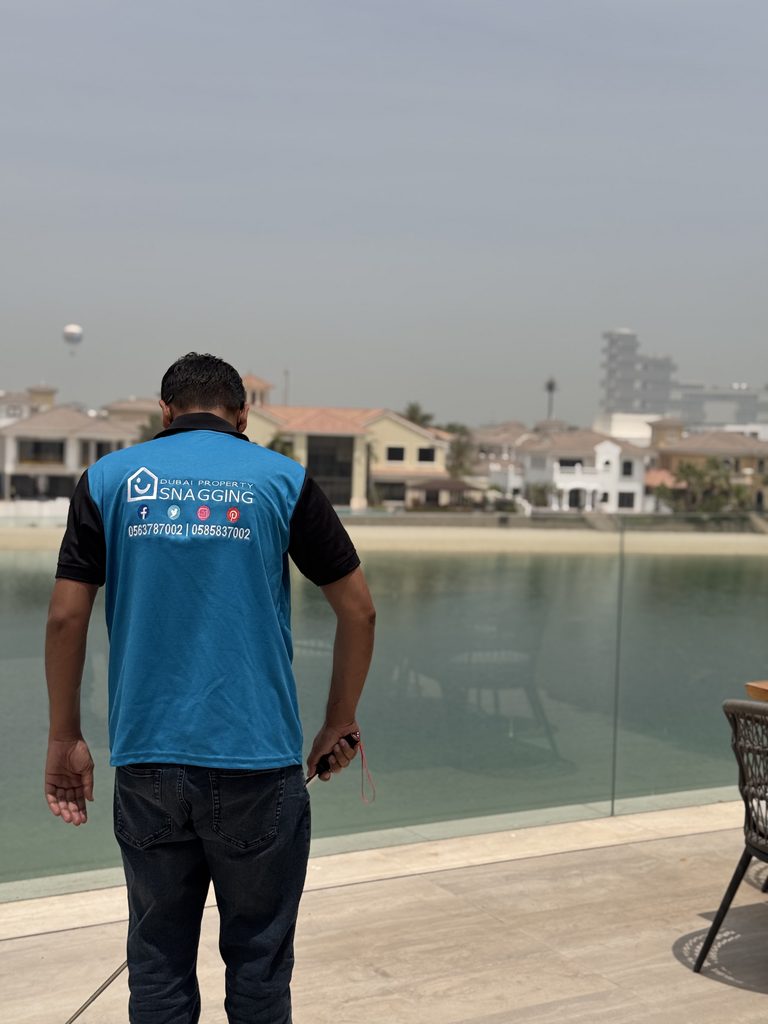
Many modern homes have large glass panels to enjoy the view and the landscape. These elements should be inspected to ensure that they open and close correctly and that their accessible parts are not damaged.
Accessible windows and sliding glass doors should be opened and closed to check the overall mechanism and ensure that their operating parts are not damaged. Particular attention should be paid to the accessible parts of their frames for scratches, broken glass, and other issues. Surveyors should also review whether the frames are uneven or improperly sealed.
The points where the frames adjoin the walls or floors should also be reviewed for signs of improper finishing. If the accessible membranes are broken or show signs of prior moisture, this should also be noted.
For rooms with views, the surveyors should look for signs of improper moisture, such as discolored spots on the walls, windows, and door frames. In most cases, these observations will not confirm that the external cause has resulted in these issues, but the survey should note them for the specialist survey.
It is not recommended for a buyer to test the strength of the glass panels, climb on the balcony railings, or attempt to disable a security mechanism. If a window or a door shows signs of a fault, the buyer should refrain from using it until the issue is resolved.
Review Swimming Pools and Other External Amenities
A private swimming pool is a luxury amenity that requires maintenance, but it should not be treated as an inaccessible decoration that only needs a superficial inspection. The accessible parts of the pool should be reviewed for cracks, damaged tiles, or other issues that may indicate improper sealing.
If the pool’s systems are commissioned and can be used safely, the surveyors should test their accessible parts to ensure that they operate correctly. Any unusual noises or signs of leakage should also be noted since they may indicate issues with the equipment.
The survey of a swimming pool also includes a review of its external fittings, such as paving, drains, and showers. If the property has other external amenities, such as a kitchen, pergola, or garden, their accessible parts should also be inspected. Particular attention should be paid to the signs of damage, the accumulation of water, and the integrity of connections.
The safety equipment, if fitted, should also be reviewed. However, the load testing and survey of the swimming pool equipment should be left to the specialist.
If the property has external furniture, lights, or an irrigation system, these should also be cross-referenced with the relevant specifications. The survey should note the equipment that is absent or faulty and report on the operation of the accessible control elements, if applicable.
A snagging survey does not include the commissioning of a swimming pool, electrical safety tests, or other specialist surveys. If applicable, the buyer should request that the relevant specialist conducts a survey before these services are declared completed.
Check Drainage and Other Moisture Management Systems
Many villas have drainage systems to manage the moisture from the gardens, balconies, and pools. However, the presence of these systems is often disguised, even when the weather is dry. Surveyors should look for blocked drains and other signs of improper drainage, such as damp spots on the walls and the floor.
The accessible parts of the floor drains should also be reviewed for signs of stagnant water, blockage, and other issues. If any of these observations are made, they should be highlighted and investigated.
Within the property, the surveyors should inspect the ceiling and floor outlets in bathrooms and kitchens, as well as other wet areas. Unusual smells, bubbling paint, or discolored spots should also be reviewed to identify their source.
It is important to remember that visible signs of a leak are often found far from its source. Water may seep through the concealed membranes and become visible in an entirely different part of the building, including where the leak itself is located. In most cases, the cause of the leak cannot be identified without the specialist investigation of the property’s concealed membranes, and the issue should be reported to the relevant specialist.
For properties in coastal areas, the surveyors may also identify signs of corrosion on metal fittings and other finishes. While the observations will not highlight a construction defect, the buyer should request a specialist survey.
Testing of Air Conditioning, Electrical Equipment, and Smart Technology
Many luxury properties have multiple air-conditioning zones, advanced blinds, and smart technology. However, these elements should not be exempt from a snagging survey, which should include a review of the accessible parts of the equipment to ensure that they operate correctly.
The general operation of the air-conditioning system can be tested by operating the relevant controls. When doing so, the surveyors should ensure that the expected vents are operating and report if unusual odors, sounds, or signs of leaks can be identified near the accessible equipment. If the villa has multiple thermostats, the accessible controls should also be tested.
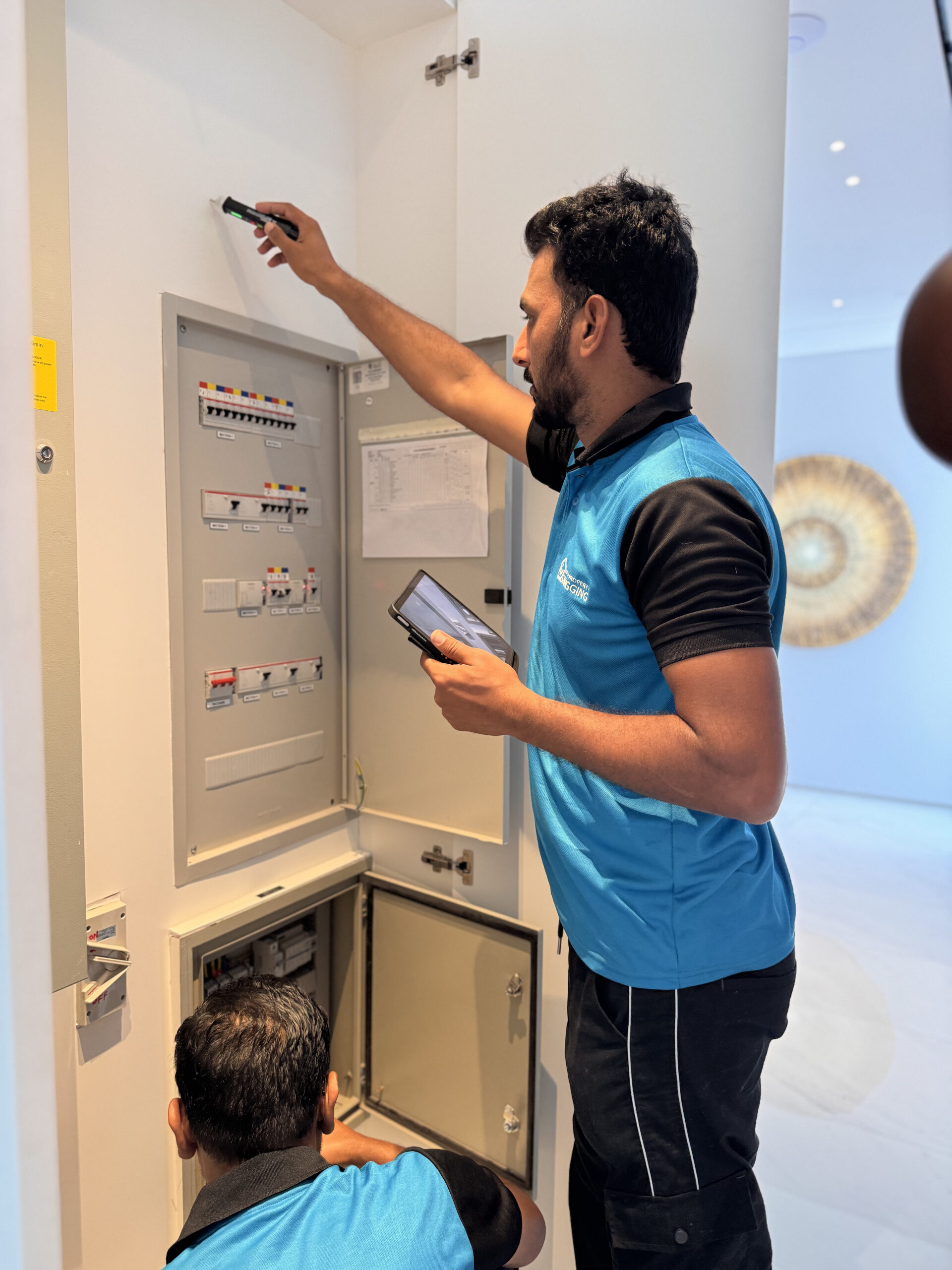
The surveyors should inspect the general operation of the switches and other electrical equipment. If any of the items have faulty outlets, switches, or other issues, this should be noted. The surveyors should not attempt to inspect the distribution boards, wiring, or other high-voltage equipment.
If the property has smart technology, the surveyors should test the accessible controls to ensure that they operate the expected equipment. The details will depend on the technology available, which may include lighting, blinds, air-conditioning, and security systems.
The results of the visual survey should be noted so that the reported issues can be prioritized and resolved. A system that was inaccessible during the survey should not be reported as operational.
Review Interior Furnishings, Finishes, and Details
A luxury property will typically have a variety of fitted furnishings and finishes to create the desired aesthetic appeal and offer additional convenience. These details are often expensive, and their damage during the move can be unforgiving, so their condition should be reviewed for any imperfections.
In a kitchen, the surveyors should inspect the worktops for chips, scratches, cracks, and other issues. The drawers and cabinet doors should also be opened to check their overall operation. If the kitchen has fitted appliances, these should be reviewed to ensure that they correspond to the specifications and operate correctly.
In a bathroom, the surveyors should look for cracks in the tiles, signs of improper grouting, and other issues. Particular attention should be paid to the accessible parts of the fittings and their drainage. If applicable, the water taps and drains should be tested to ensure that they operate correctly and do not leak.
The transition between the floor tiles in different rooms should also be reviewed, as should the skirting boards for signs of damage. Particular attention should be paid to the edges of the tiles and their corners, as well as the condition of the boards.
While the overall quality of the materials is important, the appearance in most cases will be dictated by the details. A single mark or an improperly set transition can be a deal-breaker in a room with other high-end fittings.
Key Differences Between Villa and Apartment Snagging
Snagging inspections of apartments and villas typically follow similar guidelines, as in both cases, a surveyor will highlight the visible defects and incomplete items. However, the two types of properties will have different points, as a villa usually involves more external finishing and fittings than an apartment.
An apartment snagging survey will typically include the interior of the unit, accessible windows, balcony, fitted fixtures and finishes, air-conditioning system, and general condition of the property. The communal areas and equipment usually fall under the jurisdiction of the homeowners’ association, so they should be reviewed separately.
A villa snagging survey will typically follow a similar layout but will also include the accessible parts of the villa’s boundary walls, gates, and garage doors, if applicable. The review of the property’s exterior, such as patios, drainage, and external lighting, should also be included.
If the villa is located on a private island, the survey may also include large glass panels facing the sea and other points of interest. The items should be prioritized based on the survey instructions so that the report highlights the relevant concerns.
Both villa and apartment snagging surveys should be evaluated based on the coverage rather than the length of the report. In both cases, the document should include sufficient detail to ensure that the reported issues can be prioritized and resolved.
The Importance of Organizing Handover Snagging
Handover snagging is an essential procedure for any buyer of a new property, as it ensures that their concerns are registered before finalizing the purchase. If the developer offers a pre-handover snagging survey, the buyer should organize the visit in advance so that the report can be reviewed and submitted to the developer, if required. The buyer should also familiarize themselves with the documents provided and review the requirements for handover.
A comprehensive snagging survey at the time of handover will allow the buyer to highlight the visible defects so that they can be prioritized before taking possession of the property. The findings can also serve as a reminder to the developer or other responsible parties.
If the reported issues are resolved, the buyer should inspect the reported items to ensure that they have been addressed satisfactorily. The resolution of a reported defect should not be considered complete if the issue is still apparent to the eye after being documented.
If the property has already been handed over, a snagging survey can still help the buyer since it will allow them to ensure that the unresolved issues are prioritized for resolution. The deadlines for reporting concerns and the remedies that can be requested should also be reviewed so that the buyer can make the most of the available opportunities.
Preparation Tips for a Property Snagging Survey
Proper preparation is essential if the buyer wishes to benefit from a snagging survey. Beforehand, the buyer should review the provided specifications and list of fitted items, if available, and familiarize themselves with the handover instructions.
The buyer should also ensure that the surveyor can access all the relevant areas and equipment, such as the bedrooms and bathrooms, fitted storage rooms, accessible terraces, and other elements. If the survey includes the inspection of a swimming pool, smart technology survey, or other equipment, the buyer should arrange for their commissioning in advance.
The buyer should document all the issues found so that the report can be organized based on the survey findings. A good snagging report will highlight the problems found, provide the necessary details to facilitate their resolution, and note the required follow-up actions, if applicable. It is important to remember that vague wording, such as referring to a “bad finishing,” cannot be used to describe an issue if more precise wording can be selected.
If a specialist survey is required to address a particular concern, this should also be noted so that the appropriate recommendation can be made. A visual inspection is an invaluable tool that can help identify a wide range of concerns, but it can only resolve the issues that the surveyor can see. In most cases, a specialist survey is required to identify the cause of the problem and the necessary remedial actions.
Choosing the Right Property Survey Service for a Luxury Villa
When selecting a property survey service, it is essential to understand the available options. A survey of a private island villa with a swimming pool, large glazed areas, and other fittings will have different requirements from an apartment survey.
The buyer should ask what is included in the service, whether a detailed report with photographs is provided, what accessible equipment is tested, and whether a re-inspection is possible after the reported issues are resolved. The terms should state what is excluded from the survey, such as swimming pools, specialist equipment, concealed fittings, and other items that may require a specialist survey.
It is also important to review the report’s presentation since it will dictate the ability of the developer or other responsible party to resolve the reported issues. A competent survey provider will offer realistic expectations, noting the limitations of a visual inspection and focusing on the accessible items.
A competent survey provider will also be able to advise the buyer on the likely findings based on the property’s specifications. In most cases, a snagging survey is not a guarantee that every possible issue will be resolved, but it will facilitate the identification of the concerns that should be prioritized.
Protecting the Investment Before Accepting Handover
A private villa on a private island is a valuable asset, and the buyer should protect their investment by completing all necessary preparations before finalizing the purchase or accepting handover. The time spent on a snagging survey will allow the buyer to identify the issues that should be resolved before moving into the villa. From the review of the external finishing and large glass panels to the inspection of the swimming pool, drainage, air-conditioning, and fitted furnishings, a property survey will highlight the concerns that should be prioritized.
Whether it is a villa snagging survey conducted on a waterfront villa or an apartment snagging survey, the principles are the same. A meticulous visual inspection will enable the buyer to ensure that the property is in the expected condition and facilitate the resolution of the identified issues.