An AC water leak Dubai homeowners ignore can start off as a small damp patch but can be a bigger problem if you leave it. Air conditioning is essential in Dubai to provide a comfortable environment inside. If you’re seeing water leaking from your AC then it’s worth looking into.
Air conditioners will naturally produce some moisture as they cool down warm air. This will pass into the drain pan in the system. If drains become blocked or a connection or component fails, water may leak.
Checking for early signs can help prevent avoidable damage to ceilings, walls, flooring and furniture. Carefully look for any signs of water and also get a qualified AC engineer to check the correct cause.
Why Is My AC Leaking Water in Dubai?
Air conditioners remove the heat from the air inside your property. Any moisture in the air can build up on the evaporator coil. This will then normally pass into a tray.
However, if water isn’t draining correctly or any of the components are faulty then you may see water leaking from your AC. Blocked pipes, a damaged drain pan, faulty connections, or installation issues can cause this.
In Dubai’s hot, humid climate, an air conditioner removes a lot of moisture from the air. However, just because it’s a hot day does not mean it’s due to the weather. How much water is leaking, how often and where it’s coming from can help determine what issue you actually have.
If you start noticing water leaking from your AC then you should look for any signs of leaks. This can be around the ceiling, electrical fittings, built in cupboards or fresh paint.
It’s important to determine if it’s just condensation and drainage working correctly or if there is an issue causing water to leak into your property.
Common Reasons for AC Water Leaks
There are various reasons why your air conditioning can be leaking. Whilst the symptoms may be similar it’s important to know the actual cause.
Blocked AC Condensate Drain Pipe
Your AC may be leaking due to a blocked drain pipe. AC drain pipe blockage Dubai properties experience is common, and over time dust, debris and build up can cause this issue.
The water will start to build up in the drain tray and cause an overflow. This can cause dripping around your internal AC, damp patches on your walls, stains on your ceiling and water on your flooring.
If you’re noticing regular leaks then this could be due to a blocked drain. However, similar symptoms can be caused by other issues so a technician should check.
Damaged or Faulty Drain Pan
The drain pan collects any water created whilst cooling. If there is a crack, damage, corrosion or incorrect positioning then water can start leaking.
Blockage may lie elsewhere than the drain pipe. Check the tray and connections.
Faulty Drain Connections
If you don’t fit the connections correctly or they come loose, water leaks from the connection. This can become more noticeable once the AC has been running for a while.
A qualified technician should check the drainage to see what needs fixing.
Frozen Evaporator Coil
Sometimes if there isn’t enough airflow or there is an issue with the refrigerant then the evaporator coil can freeze. Once it thaws it can cause too much water.
This could be due to a dirty air filter, lack of airflow or an issue needing technical diagnosis. If you notice ice around your unit, turn the system off if it is safe and have it professionally checked. Don’t try to dismantle the unit.
Installation and Maintenance Issues
Incorrect installation, lack of maintenance, damaged insulation or faulty components can all cause leakage. Someone may mistake the condensation for a blocked drain if the insulation isn’t good.
A thorough check can help you determine the cause.
Signs to Look Out For
Leakage from your AC doesn’t always show as water dripping. Sometimes you may notice changes to the room.
Look out for yellow or brown marks on your ceilings, bubbling paint, peeling wallpaper, damp skirting and swollen wood cabinets. A constant musty smell can indicate that there is moisture getting into a hidden or poorly ventilated area.
You may also see water around your internal unit, damp flooring underneath your wall mounted AC or regular dampness around your ceiling mounted system. If it’s intermittent then take note of when it’s happening and if the AC was running.
This can help the technician understand what the issue is. However, it won’t necessarily tell them if it’s due to a blocked drain, faulty pipe, condensation or another issue.
Take photos of any damage you can see and note when it started. If there is moisture around any electrical items don’t touch any wet components. Get the correct professionals to help. If water is entering a dangerous area, put your safety first.
Understanding AC Condensation Problems in Dubai
There are various reasons why you may be having AC condensation problems Dubai residents often report. Air conditioners remove moisture from the air, creating some water. However, it’s important to know that it’s not getting into the right place and draining correctly.
Damaged or insufficient insulation on a cold pipe causes condensation. Or if there is a partial blockage then water can build up occasionally. This can cause damp patches but the solution will be different.
High humidity levels, temperature differences, lack of airflow and maintenance can all cause issues with moisture. Consider the visible signs.
Look out for areas around your AC pipework, ceiling voids, service panels and walls. If there are regular watermarks appearing after repainting then find out the cause.
Whilst wiping the water away or painting over the stained ceiling may improve how it looks it won’t fix the underlying issue with the drainage.
What Is Checked During an AC Condensate Drain Inspection in Dubai?
During an AC condensate drain inspection Dubai property owners will want to find out why the water isn’t being handled correctly.
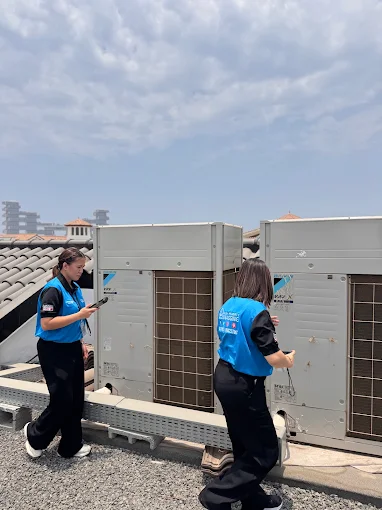
Depending on the equipment and service requested a qualified technician will check the drain pan, condensate pipe, connections, drainage and signs of blockage. They may also check the insulation around the pipework, airflow issues and other components that could be causing the issue.
They will check the water is draining correctly and look for any visible signs of leakage or damage. If there is a suspicion of a blockage then they can determine the correct way to check and clear the drainage.
If there is no obvious cause, perform further checks. You won’t be able to see what is going on with the hidden pipework or every mechanical issue.
Request a clear explanation of what they found, what needs repairing, and whether they will perform a check after the repair is complete. This will help you to know if it’s a temporary fix.
How AC Water Leaks Can Affect Your Property
Water leaking from your air conditioning can cause more than just localized issues. If there is constant moisture getting into the building materials then it can cause damage to your paint, plaster, ceiling boards, flooring, cabinetry and other finishes.
If there is constant moisture getting into hidden areas then this can cause could to grow. It can also cause swelling, weakening or damage to materials.
This can cause issues for landlords as they may need to pay for repairs. If you move into a newly completed property, you may be concerned about unexpected dampness.
The extent of damage will depend on the cause, and on how much and how long the leak has persisted. A small recent leak won’t necessarily cause significant damage, but if dampness occurs regularly, investigate it.
After you fix the cause, check which materials are affected and dry them. After you have completed this, you can perform any cosmetic repairs.
AC Leakage Inspection for New Properties
Having an AC leakage inspection Dubai buyers can arrange is very helpful when viewing a newly completed apartment or villa. This will help you identify any visible signs of leaks, dampness and unfinished finishes around the accessible AC components.
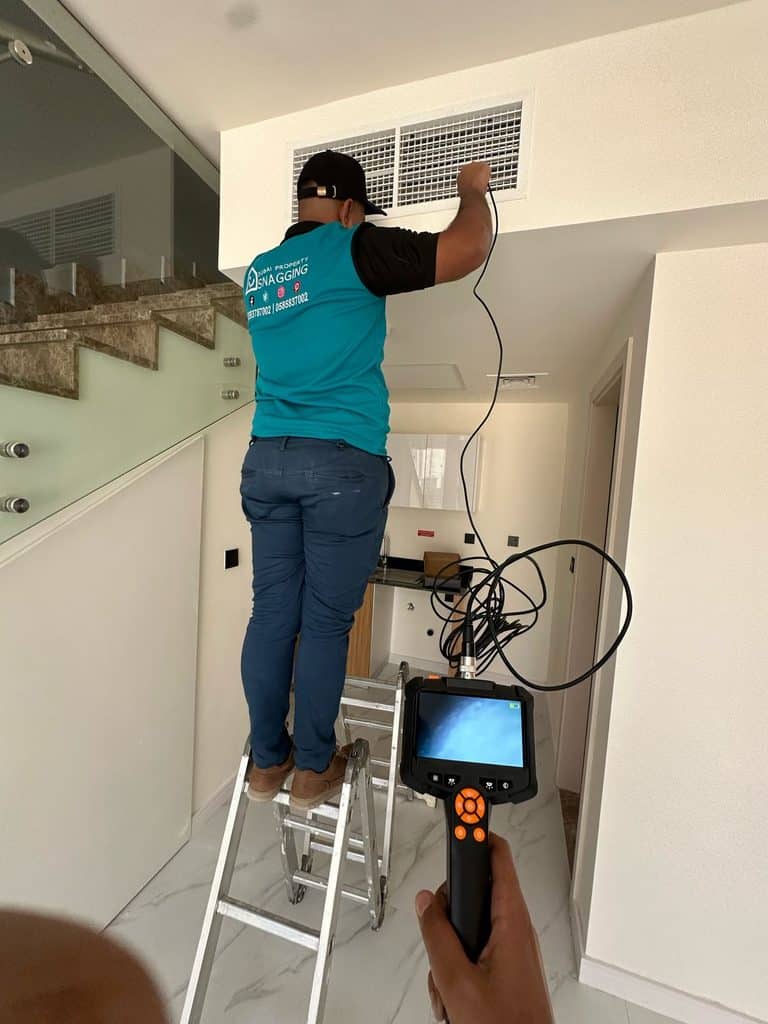
During your property inspection the inspector may look at any accessible areas around your internal units, ceiling voids, visible drainage connections and finishes. If the AC is running and it’s safe to use then they may be able to carry out basic observations.
Check watermarks around the unit. Note damaged ceiling paint. Inspect staining near pipework entry points. Ensure no repairs were made without explaining the cause. Note down where the issues are and how bad they are.
Property snagging isn’t a specialized AC service. The inspector will note down any visible issues and suggest further investigation. However, any hidden drainage issues, refrigerant issues and technical performance of the system may require an HVAC professional.
If there is an issue then report it using the developer’s standard process. Keep a copy of your findings. If you completed repairs, inspect them thoroughly to confirm they are correct.
What Should I Do if My AC Is Leaking?
If you’re noticing water leaking around your internal AC unit then firstly protect the area. Move any furniture and items away from the water if safe to do so. Take photos of any visible leaks and damage.
If there is water near any electrical items don’t touch the equipment or switches. Don’t use the system if it may cause a safety issue. Contact the correct professional. If there is an active or large leak then get help quickly.
Note when the leak is happening. Is it only after running for a few hours or is there moisture when it’s not running? This can help the technician narrow down the cause.
Don’t pour any chemicals down the drain, dismantle the unit or attempt any repairs that require technical knowledge. This can cause damage to the system or make it harder to identify the original issue.
Ask the technician to explain why it was leaking and if they have checked the system again.
How to Prevent Future AC Water Leaks
Regular maintenance can help to prevent some drainage and condensation issues. Factors like the system, usage, manufacturer’s guidelines, and your property’s conditions determine how often you should perform maintenance.
Ensure that the air filters are checked, cleaned and replaced as recommended. When servicing the system check the drainage components. Should there be any visible signs of dampness, sort this out as soon as possible.
Should you notice any strange smells, damp patches, or reduced cooling effectiveness, please take note. If the same leak is happening again after repairs have been made then ask for further investigation.
If your apartment or villa is going to be empty for a long period of time then ensure it’s being maintained correctly. Check the property when it’s safe and practical to do so. Identifying leaks early can help to limit any damage.
Whilst you can’t prevent all leaks, components can become faulty, drainage can become blocked and issues can occur. However, it’s important to get any issues investigated quickly.
Choosing the Correct Professional
If you’re seeing water leaking from your AC unit or drainage then an HVAC technician will generally be the correct professional to investigate. Damage to ceilings, walls, flooring, or other finishes may require separate checks. If you’re moving into a newly handed over property then a property snagging company can help note any visible issues.
Before booking any services ask what will be checked. Will they check the drainage? Will they check that the repairs have been made? If there are any hidden pipework issues then ask if they will carry out any further checks.
It’s better to have a clear diagnosis than a quick fix. Knowing the cause will help you choose the correct repairs and reduce the chance of missing any issues.
Protect Your Property
Whilst an AC water leak Dubai owners notice may seem like a small maintenance issue, regular dampness can cause damage to your property finishes. Knowing the signs in Dubai, where air conditioning is heavily used, can help property owners. If you’re seeing water leaking then firstly note down any safe observations and get a qualified professional to check.
Whether it’s due to a blocked AC drain pipe, faulty connections, condensation or another issue with the system, an AC condensate drain inspection Dubai technicians carry out should help identify the cause of the moisture. Check the relevant drainage and accessible components. Ask what repairs or further investigations need to be made. If you’re close to handover then property snagging can help you note any visible leaks and damage.
By acting quickly you won’t prevent all possible issues but can help to reduce any avoidable damage. It can help improve communication with the responsible service and give you a better understanding of your property.