The Defects Liability Period covers 12 months after turnover, whether the property is a single unit or a complete development. During this period, any defects due to poor workmanship or poor quality materials must be remedied by the Developer/Contractor, without charge.
Why it matters
When purchasing a new apartment or villa in Dubai, you will typically have a 12-month protection period under your contract. Understanding dlp meaning in construction is important because the Defects Liability Period (DLP) gives property owners an opportunity to report certain defects and have them addressed by the responsible party. However, many buyers miss out on this protection because they fail to identify problems such as water leaks, cracked tiles or poorly functioning air-conditioning systems before the 12-month period expires. As a result, they may end up paying expensive repair bills themselves.
The Defects Liability Period (DLP) in construction is clarified, with Dubai operation, warranty exclusions, and maximizing 12-month DLP via inspection.
What Is the Meaning of DLP in Construction?
DLP means Defects Liability Period. A period of time following project completion during which the builder is responsible for correcting any defects within their work.
This is therefore a form of quality assurance. Although clients have completed and occupied the building, the contractor has not yet left the site. If there are any issues with their work within the DLP period, they must go back to fix them.
DLP meaning in a construction contract
In a construction contract, the DLP clause usually spells out:
- When the period starts. Normally on practical completion, substantial completion or handover.
- How long it lasts. Twelve months is the most common length worldwide, though some contracts use 6, 18 or 24 months.
- How to report defects. Usually in writing, to a named contact, often with photos.
- How quickly we must complete repairs. It will take 14 or 30 Days.
- What happens if the contractor doesn’t fix it. Often the company can hire someone else and deduct the expense from the money it still puts back.
In a construction contract, the DLP meaning is practical because parties agree on rules for defects after completion.
Who it applies to
There are really two DLP relationships in Dubai:
- Developer and main contractor. The building contract sets the Defects Notification Period and uses FIDIC forms.
- Developer and you, the buyer. This comes from Dubai law and your Sale and Purchase Agreement (SPA).
As a buyer of an apartment or villa, the second one is what protects you.
How the 12 Month DLP Works in Dubai
Dubai Law No. 6 of 2019 on jointly owned property governs most apartments and many villas in master communities. Article 40 sets out two layers of protection:
| What’s covered | How long | When the clock starts |
| Defective installations: mechanical, electrical, sanitary and sewerage works | 1 year | Generally from the handover of your unit |
| Defects in the structural parts of the building | 10 years | From the project’s completion certificate |
The 12 month cover provides protection on a year to year basis. This protects items such as plumbing, drainage, electrical, air conditioners and other building services. A 10-year structural cover ensures the policy covers major issues with your property’s structure, such as slabs, beams, or columns.
A few practical points:
- Your SPA cannot diminish these protections since the law states that any agreement that does so is null and void.
- Your SPA and handover pack may still set the process: who to email, what form to use and response times. Keep them handy.
- Developers often offer extra cover on top of the law, for example on appliances or waterproofing. Check what your developer has promised in writing.
- Your first chance to record defects is at handover. A professional handover snagging inspection gives you a dated record from day one. You can also read more about the RERA requirement for handover snagging.
This is general information, not legal advice. For a dispute, speak to a property lawyer or the Dubai Land Department.
Practical Completion, Retention Money and the Final Certificate
On the construction side, three terms come up again and again with the DLP:
Practical completion. The contractor completes the work sufficiently for use, even if small snags remain. This usually starts the DLP clock. A construction snag list is normally prepared at this stage.
A retention amount (usually between 5-10% of the total contract sum) is withheld from the payments to the contractor. The client typically releases half of this retention at practical completion. The remainder is then released at the end of the DLP, once the contractor has rectified the defects. This is the main motivator for the contractor to complete the repairs correctly.
Final Certificate
The engineer/consultant will conduct an inspection at the conclusion of the DLP. A final certificate will be issued by the engineer or consultant if all of the stated flaws have been fixed. This indicates that the contractor’s duties are fulfilled, and the remaining retention needs to be paid.
Why should I as the homeowner care?
The developer will be following the same process with their contractor. If we raise defects early and clearly, and whilst the developer still has retention money with the contractor, it will result in the defects being repaired quickly.
What Are the Four Types of Warranties?
People often ask what the four types of warranties are when they buy property or products. In general consumer and contract law, the four you’ll hear about most are:
- Express warranty. A promise stated clearly in writing or speech. For example, “the waterproofing is guaranteed for 10 years” in your handover pack.
- Implied warranty of merchant ability. An unwritten promise that a product works for its normal purpose. A new tap should run water without leaking.
- Implied warranty of fitness for a particular purpose. If the seller knows what you need something for and recommends it, it should be suitable for that use.
- Warranty of title. A promise that the seller actually owns what they’re selling and has the right to sell it.
In property, these ideas show up in practical forms. There’s the developer’s DLP, which works like a statutory warranty. There’s structural cover, plus manufacturer warranties on appliances and equipment. And there are product guarantees from subcontractors on items like waterproofing membranes, roofing and AC units. It’s worth collecting all of these in one folder at handover, because each has its own length and terms.
What’s Not Covered Under Warranty?
This is where most disputes start. The DLP is about defects, meaning faults in how something was designed, built or installed. It isn’t a free maintenance plan. Here’s what’s usually not covered under warranty:
- Normal wear and tear. Scuffed paint, worn door handles and faded finishes from everyday use.
- Damage caused by the owner or tenant. Drilling into a pipe, overloading a socket, or a flood from a washing machine left running.
- Owner alterations. If you or your fit-out contractor changed the kitchen, moved walls or replaced fittings, the developer can refuse to fix problems linked to that work.
- Lack of maintenance. AC filters never cleaned, drains never cleared, or silicone sealant not renewed.
- Consumables. Light bulbs, filters, batteries and similar items.
- Minor cosmetic changes from settlement. Hairline cracks in plaster are common as a new building settles and are often treated as normal, unless they keep growing.
- Defects reported too late. Anything you first report after the DLP has ended, unless it’s a structural defect still within the 10-year period.
The gray area is between a real defect and damage from use. A leak is a good example. If it comes from a badly installed pipe joint, it’s the developer’s problem. If it comes from a neighbor’s appliance hose, it’s not. That’s why a clear property defect assessment, or professional water leak detection to confirm the source, makes such a difference to your claim.
What Are the Top Five Warranty Companies?
This question comes up a lot online, but there’s an important catch: the big “home warranty” companies are mainly a US product. They sell yearly service contracts that cover repairs to home systems and appliances. They don’t operate as a replacement for the developer’s DLP in Dubai.
For readers who want to compare, these five names appear most often in 2026 US rankings:
| Company | Often recognized for |
| American Home Shield | Coverage variety; one of the oldest and largest providers |
| Cinch Home Services | Rated best overall by ConsumerAffairs in 2026 |
| Liberty Home Guard | Named best overall by U.S. News & World Report for 2026 |
| First American Home Warranty | Roof coverage |
| Old Republic Home Protection | Value |
Rankings vary from one review site to another, so treat this as a starting point, not a final verdict.
In Dubai, the primary warranty provider for your new property is your developer (backed by the DLP) and 10 year structural liability within Dubai. Additional warranties may be provided by appliance/AC manufacturers. You may also be offered extended warranties by the developers. Some owners purchase additional maintenance packages from local Facility management companies once the DLP has expired. However, make sure to use the free DLP before paying for additional warranties.
How to Make the Most of Your 12 Month DLP
The DLP only protects you if you use it. Here’s a simple plan for the year:
- Before handover: Book pre-handover snagging so the obvious defects are logged before you accept the keys.
- At handover: Note the handover date. Keep your SPA, handover certificate and any warranty documents in one folder.
- First three months: Live in the property and use everything. Run every shower, test every AC unit in the heat of the day, and report problems in writing as soon as they appear.
- After repairs: Ask for a de-snagging check to confirm the work was done properly. Our guide to snagging vs de-snagging explains the difference.
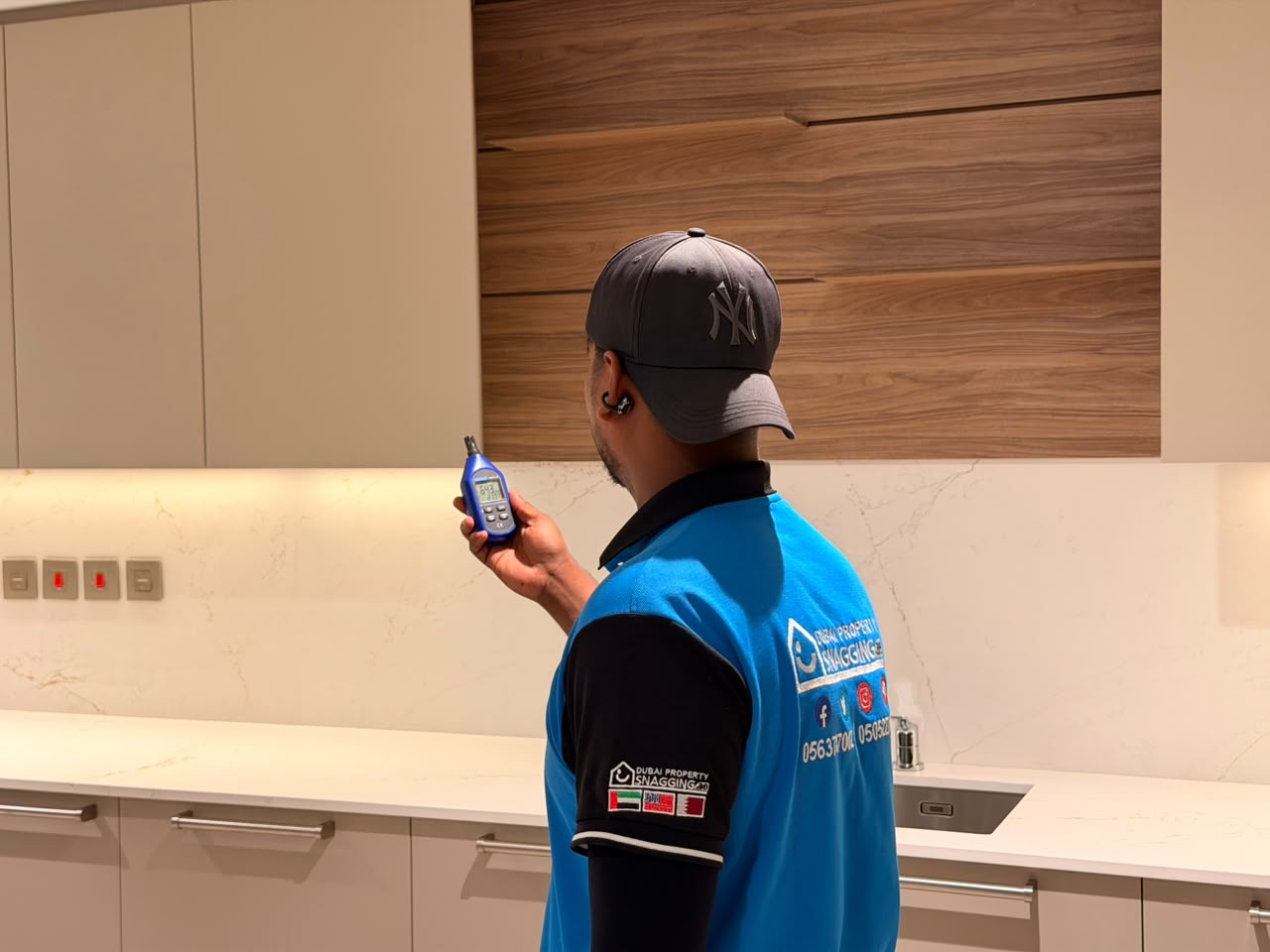
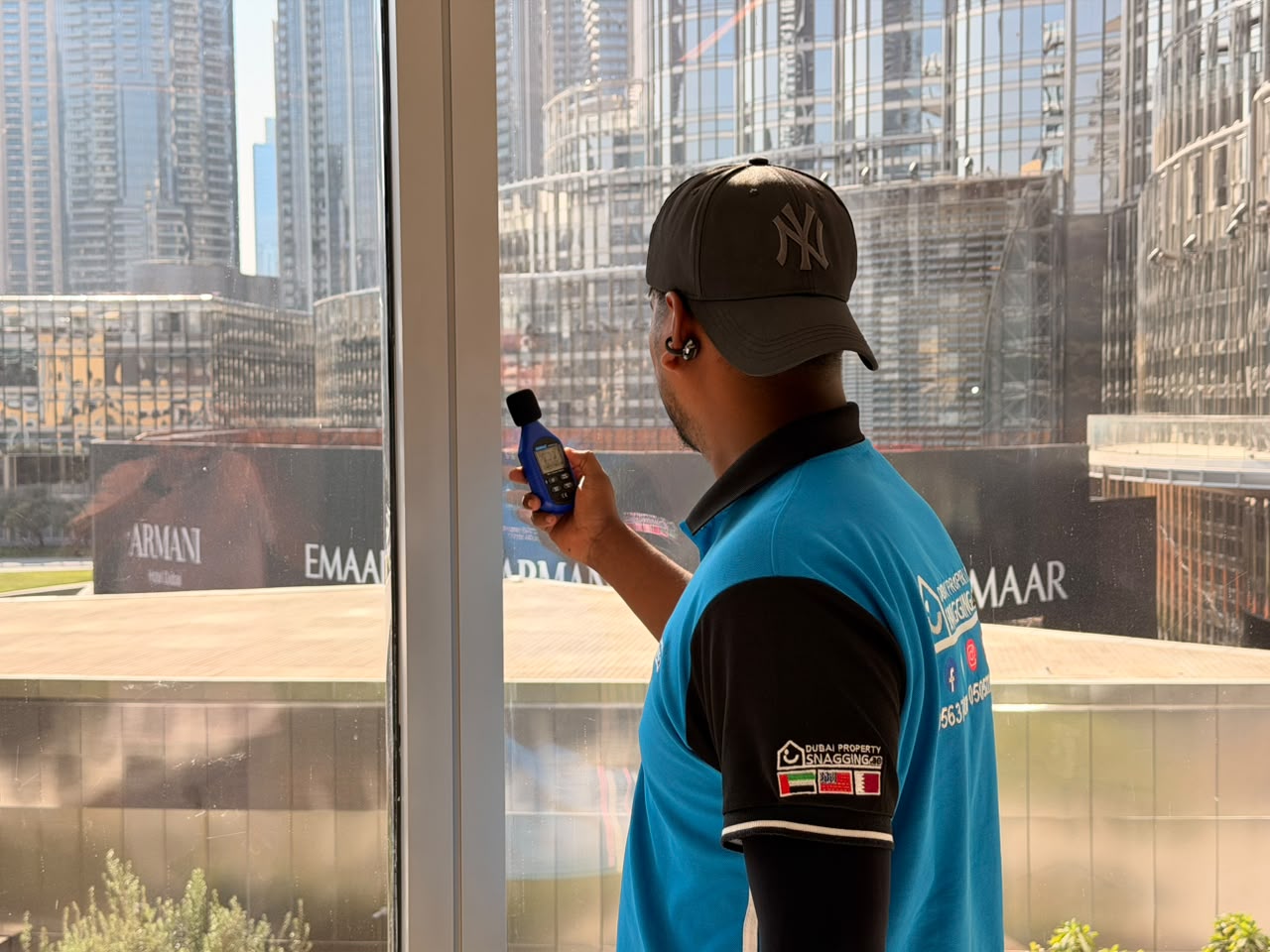
- Months 9 to 11: Book an end-of-warranty DLP inspection. Inspectors use thermal imaging and moisture meters to find hidden issues, like slow leaks, missing insulation or overheating cables, that don’t show on the surface yet.
- Before month 12: Send the full defects report to the developer in writing and get a reference number. Provided that you report the items within the applicable period, the developer must still repair them, even if the repairs are completed after the 12-month period has ended. Check your SPA for any specific rules.
Not sure what a professional report looks like? Have a look at our sample snag report before you book.
Frequently Asked Questions
What does DLP stand for in construction?
DLP stands for Defects Liability Period. It’s the time after completion, usually 12 months, during which the contractor or developer must fix defects in their work at no cost.
Is the defects liability period always 12 months?
Twelve months is the most common period, though contracts may specify different terms. In Dubai, Law No. 6 of 2019 establishes a one-year liability period for defective installations and a 10-year period for structural defects in jointly owned properties.
Is DLP the same as a warranty?
Not exactly. The DLP is a contract and legal obligation to fix defects. A warranty is a promise about quality or performance, often from a manufacturer. In practice they overlap, and a new home in Dubai usually comes with both.
What happens when the DLP ends?
The developer is generally no longer responsible for non-structural defects you hadn’t reported, and repairs become the owner’s cost. Structural defects remain covered for 10 years from the completion certificate.
When should I book a DLP inspection?
Around months 9 to 11 after handover. That leaves time to send the report and for the developer to respond before the year ends.
How much does a DLP inspection cost in Dubai?
It depends on the size and type of property. See our snagging price guide for current packages.
Use Every Day of Your Defects Liability Period
A 12-month Defects Liability Period means any issues found in your property within this time frame should be rectified by the building contractors. However, if you do not notice these within the given time frame, you will be responsible for paying for the repairs.
Understanding what DLP means in construction, you should note any issues present on hand over, and document them in writing. Finally, you should get a professional to inspect the property before the end of the 12-month period.
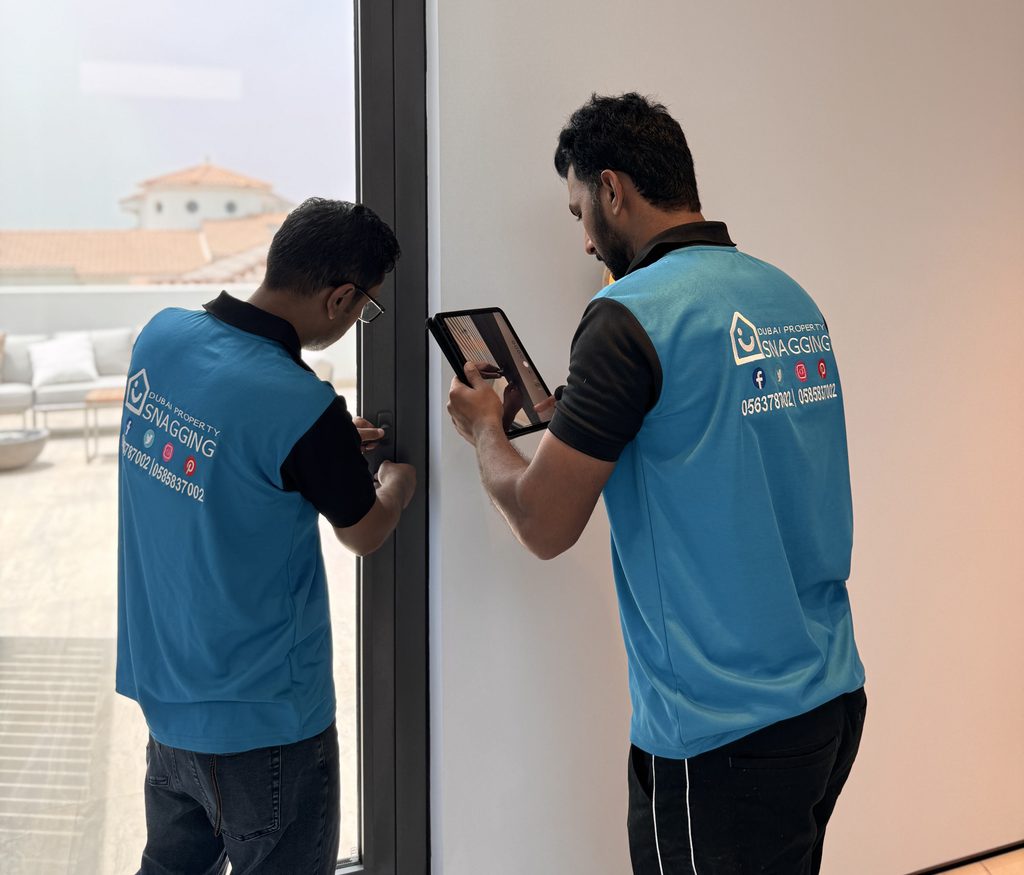
At Dubai Property Snagging our certified engineers can perform DLP checks at the end of the warranty period throughout Dubai and the wider UAE. We use thermal imaging and moisture detection to identify issues in your property. We provide a clear report supported by photos which you can pass onto your developer.
Book your inspection or call or WhatsApp +971 56 378 7002 to schedule your DLP inspection before your warranty runs out.