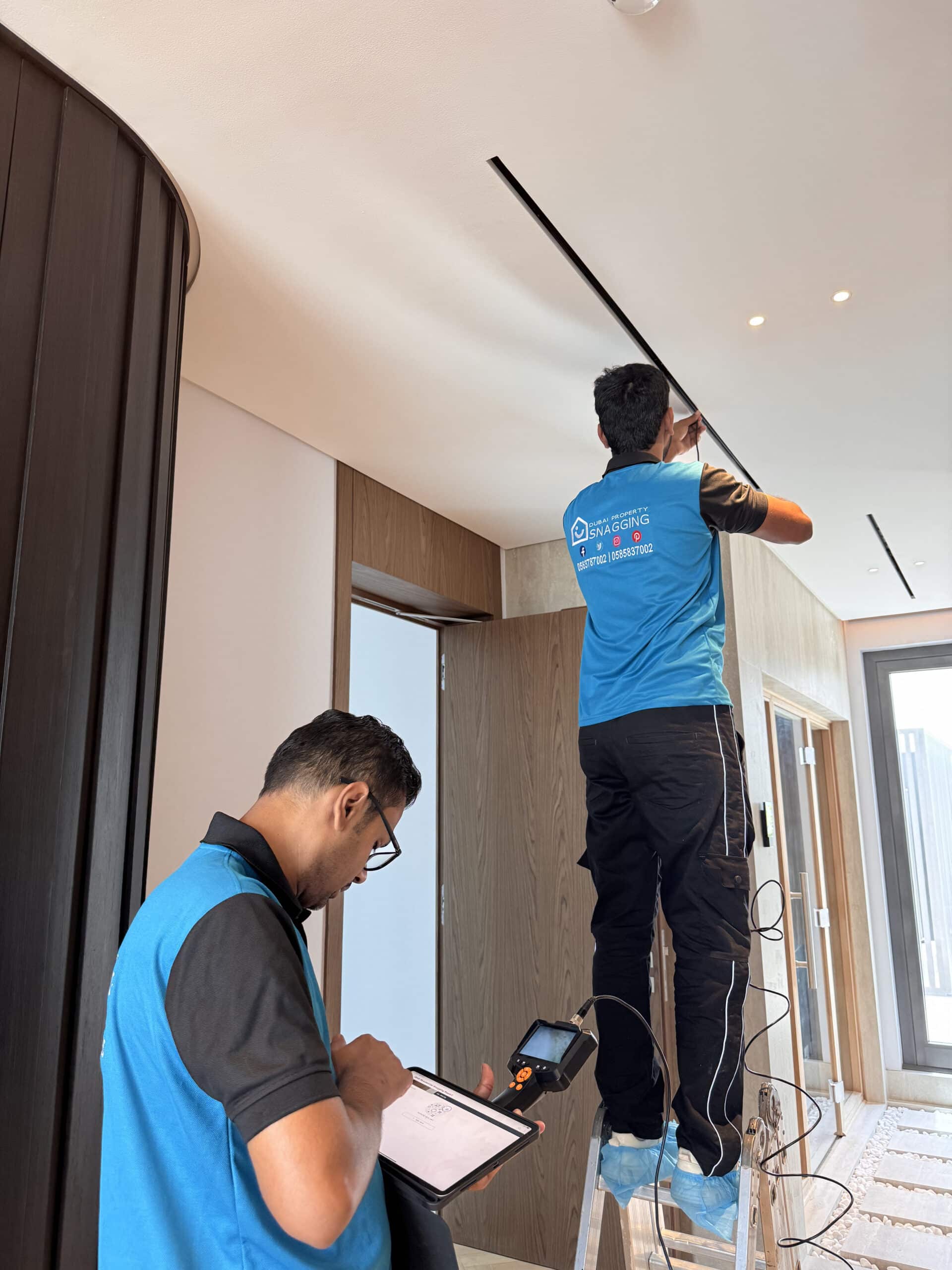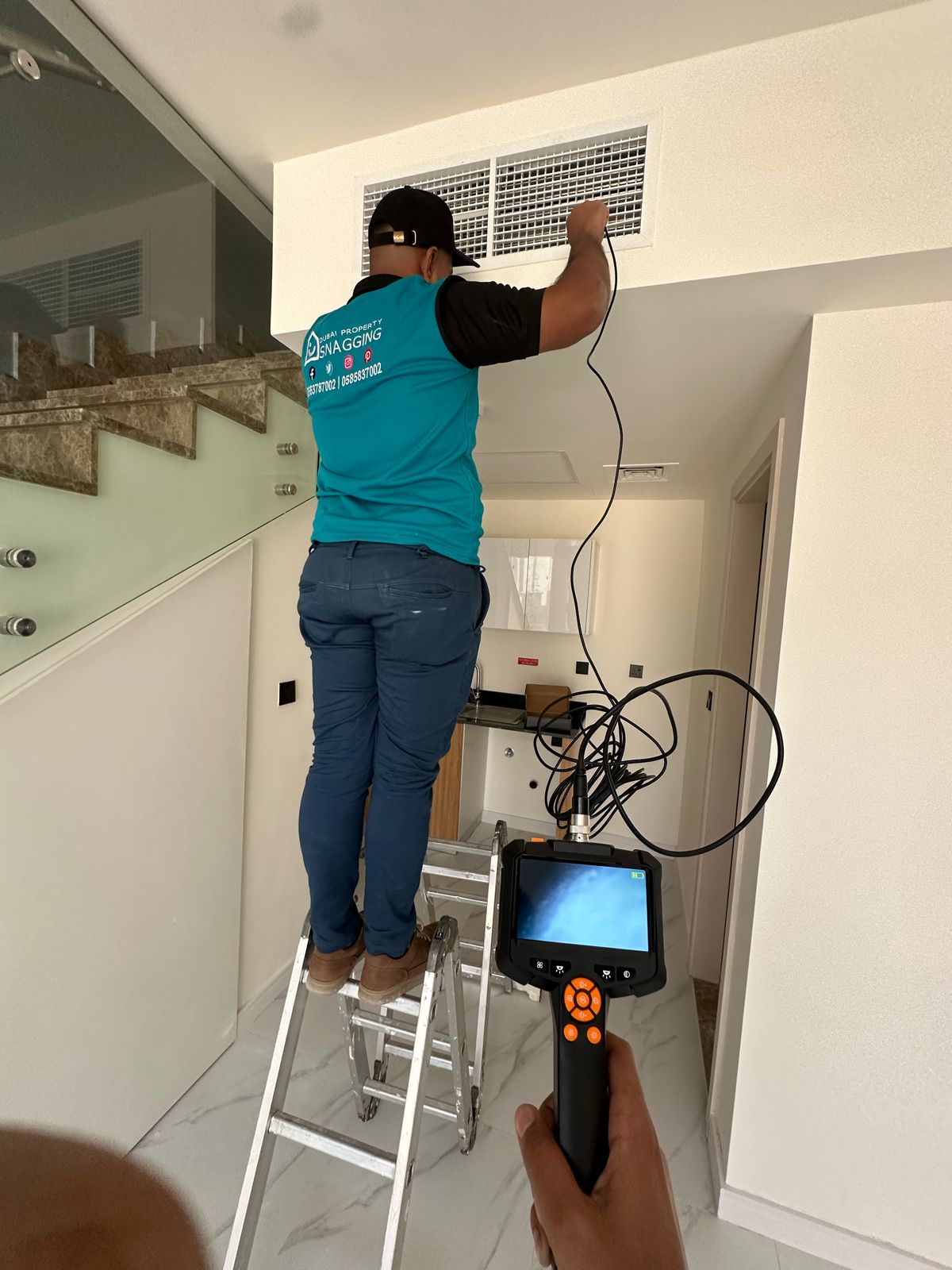
Owning a rental in Dubai is not simply a matter of collecting rent and finding a good tenant. You must also keep an eye on the building condition, arrange for maintenance, report defects and their locations, and ensure that the appropriate repairs take place. A well-written building inspection contract Dubai landlords can refer to keep them up-to-date with what works will be carried out.
Whether you own one apartment or several villas, understanding how inspection Dubai services operate makes management decisions easier. A professional inspection will uncover visible flaws, incomplete work and early maintenance problems that will help with upkeep, rental handovers and defect records.
What Is a Building Inspection Contract?
The landlord (or their representative) and the inspection company sign a building inspection contract that outlines the scope of work, areas checked, schedule, costs, and reporting for the property.
Having a written agreement ensures what the service can and cannot do and helps with long-term property management and dispute resolution if one arises.
The contract will depend on your requirements, the age and condition of the building and the level of the service that you want. Depending on the agreement, an inspection company may offer:
- A comprehensive visual inspection of walls, ceilings and floors, and accessible surfaces
- A visual inspection of accessible valves and visible leaks
- A visual inspection of accessible hot and cold water fittings and equipment
- Identification of visible construction defects and incomplete work
- A building survey report with photographs
- Recommendations for maintenance and specialist assessment
- A re-inspection, if the agreement includes such an option
An important note is that a private inspection agreement does not automatically replace a statutory inspection, an engineering certificate or any certificate that your property needs as required by law. Check the requirements for your own property yourself.
Why Dubai Landlords Need Building Inspections
Dubai landlords maintain a variety of apartments, villas and townhouses to varying standards. A professional property inspection Dubai landlords can use to give themselves a clear picture of what the property is like and help identify any defects that may hinder its use.
Catch problems before they affect use. A dripping tap, broken window seal, cracked tiles and a faulty AC unit may present a number of annoying inconveniences. Occasionally, these inconveniences can become more severe problems and more expensive to resolve. The inspection will reveal findings and outline the investigations needed to address safety concerns or call in a specialist. If you suspect that something may be very serious, you may arrange for your own specialist survey.
Keep proper records. A building survey report records the visible condition of the property and photographs. This is helpful for a tenancy, for talks with tenants and when the property manager decides what to fix. Keep in mind that a record is a supporting piece of evidence in a dispute, and it does not automatically indicate liability for damage.
Plan your maintenance. Knowing the current condition, you will know which real concerns there are and be able to create a sensible maintenance schedule. Water leaks, faults with electrics and failed essential equipment usually take precedence over cosmetic issues. Written records outperform verbal reports and vague impressions.
What to Look For in a Building Inspection Agreement
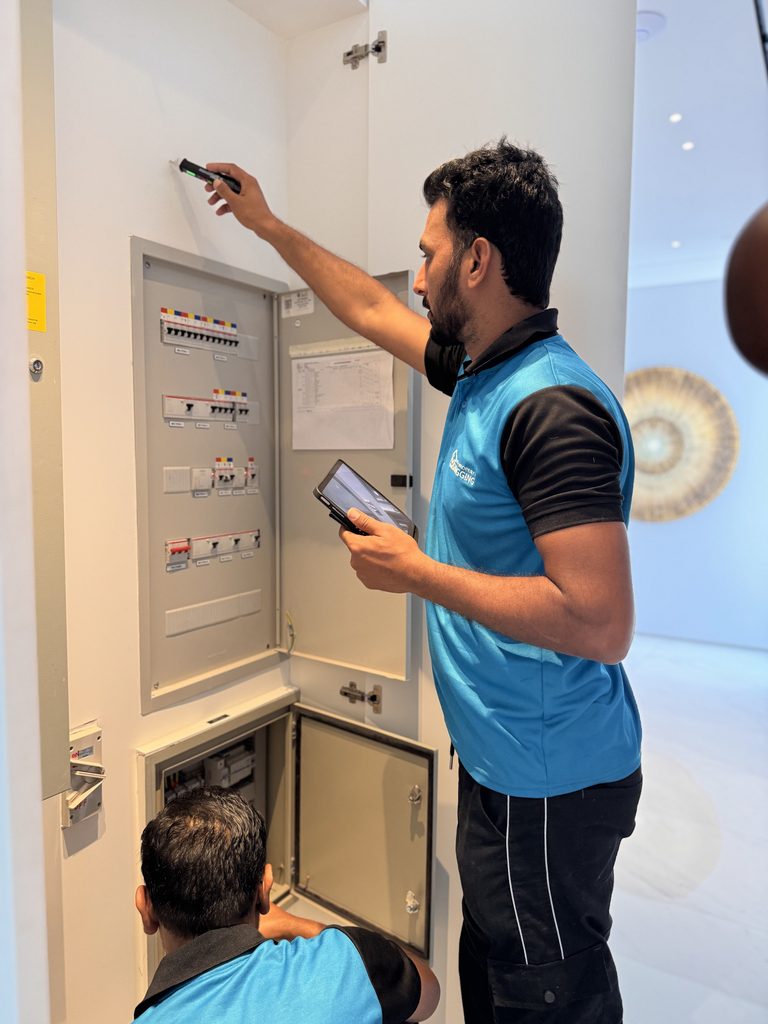
Property and scope. The agreement should state the property address and the scope of the inspection. Is it a survey during a rental handover, a check on the general condition of the building, a purchase inspection or property snagging Dubai developers new builds need? Inspectors should check a newly built apartment differently from an older villa. The agreement should specify which areas or equipment are included or excluded to prevent unrealistic expectations.
Ensure that the contract describes the work sufficiently before you hire someone.
Reporting. When you complete the inspection, we will provide what is included. A report generally includes:
- The room or area concerned
- The severity of each issue
- Photographs of the areas of concern
- The restrictions and limitations of the inspection
- Maintenance recommendations
Dubai companies’ property survey reports should declare what is covered and what is not. A visual report cannot promise that hidden services and fittings are defect-free. Read the limitations carefully and request a specialist survey where applicable.
Schedule and access. Agree the timing and ensure the contract specifies the access required. Occupied properties will have the landlord and property managers respecting the tenancy rules and access restrictions. The contract should reflect the local entry regulations. Vacant properties are easier, but you are still responsible for adhering to local law when your representatives arrange an inspection.
Charges and re-inspection. Confirm the charges and what they include, including whether the report is included or costs extra. The agreement should also deal with any extra visits and re-inspections. Any additions to the original contract should be stated clearly and it may cost more.
Rental Property Inspection Checklist for Dubai
A rental property inspection checklist Dubai landlords use is a guide to checking the whole building or a single unit. The details will depend on the property type, its condition and its use. These are the areas that are typically surveyed.
Walls, ceilings and floors. Check accessible walls and ceilings for cracks, stains, uneven patches and paint damage. For floors, inspect tiles, chips, uneven areas, the grout and damaged skirting.
Plumbing, bathrooms and kitchens. Ensure that accessible valves are operational and look for visible leaks, drainage issues and damaged sealant around sinks, showers and toilets. If the contract includes such, examine the kitchen cabinets, hinges and fittings.
AC and electrical. In this climate, AC maintenance is a significant part of managing a property in the UAE. An inspection usually looks at how the AC performs generally, accessible vents, air leaks and leaks of the equipment. Accessible switches, lights and sockets can be inspected if within scope. Any electrical aspects, any technical faults or any suspected problems should be taken to a qualified specialist.
Exterior walls, paving and plinth protection. If the property has accessible outdoor surfaces, the survey may include the exterior finish, paving, accessible drainage points and the plinth area. Plinth protection is generally a protective surface on the ground level surrounding the building. Look for a damaged exterior, a missing protective finish, gaps and poor drainage to allow moisture to puddle against the walls. A report can detail these, but if moisture or water puddles keep occurring, ask a qualified surveyor to investigate the cause.
Property Snagging in Dubai Before Handover
Property snagging Dubai services are useful prior to a handover, a purchase or the arrival of new tenants. After a snagging inspection, you will be able to provide the tenants or the developer with a detailed report of the issues which need resolving.
A typical report will include paint and finishing problems, chipped or loose tiles, doors and windows that do not function properly, visible plumbing issues, faulty or missing sealant around wet areas, installation defect and neglected exterior and drainage areas.
Professional snagging services will typically issue a thorough report so that you can show visual evidence of the issues and raise concerns with the developer or whoever is responsible. A snagging inspection is not the same as a general survey and neither can be substituted for the other.
A general property inspection (sometimes called a survey) looks at the current condition of an existing building, identifies and records the main maintenance concerns for reference, as in a check before or after a tenancy. Snagging inspection focuses on defects, incomplete work and problems with fittings and finishes, especially at a new-build handover.
Depending on your needs, snagging makes sense at these points:
- New-build handover: to document visible defects and incomplete work
- Before a new tenancy: to record the property’s general condition
- During ownership: to identify visible maintenance concerns
- After a move-out: to compare the property with its condition at move-in
- Using Snagging Tools Properly
Professionals use a variety of snagging tools to conduct and document a property snagging report Dubai clients can use. The tools they bring will depend on the property type, the scope and the qualifications and experience of the surveyor.
The usual kit includes a torch for dark areas, a measuring tape, a spirit level to check surfaces, a camera or phone for photographs and a moisture meter to find damp in particular areas. Specialist electrical testing equipment should only be used by certified professionals where applicable.
Tools help, but with limitations. A moisture meter can increase the chance of finding a hidden leak, but it will not tell you the source. Similarly, a building surveyor can list possible concerns, but pinpointing the exact cause will require a specialist survey. As a landlord, you should prioritize having a useful report over a long list of gadgets.
Hiring a Property Snagging Company in Dubai
Make sure to look further than the quote when you compare companies and ensure that the provider has experience, offers reports you can actually use, explains its scope clearly and is well-versed in local regulations to communicate its findings correctly.
When you talk to a potential snagging company Dubai landlords might hire, ask the following questions:
- Which rooms, systems and areas the report covers
- What the report contains (photos of problem areas, descriptions of visible issues)
- Which areas or tests are excluded
- How long delivery takes
- Whether a follow-up visit is available
- Extra work and extra charges
- Qualifications or experience relevant to your scope
These questions help you find a reliable company and a clear report also helps both sides when you talk about the property.
Landlord Responsibilities and Inspection Agreements
Judged against your wider responsibilities as a landlord, any inspection contract that you sign should be evaluated.
Dubai tenancy law sets out landlord and tenant duties around handover and maintenance. These duties may vary depending on the law that applies, the tenancy agreement and the situation. Who manages a repair, for example, depends on the agreement, the condition of the property at handover and other circumstances.
Dubai Law No. 3 of 2026 on the quality and safety of buildings may also set requirements in certain cases. Landlords should check with the relevant authority or a qualified surveyor which requirements apply to their property.
A private inspection contract does not automatically replace legal obligations and it cannot be proof that you comply with every requirement. If your property needs a certificate, survey or engineering report, you are responsible for arranging it separately from any private inspection.
When to Schedule an Inspection
Depending on the property’s condition, your maintenance schedule and the access rules, these are the main moments to consider:
Before occupancy: to see the property and record any visible problems with fixtures. For a first handover to an occupant, a snagging inspection helps document the obvious issues.
During a tenancy: when problems arise, arrange a survey or maintenance check and follow the access requirements.
At the end of a tenancy: do a move-out inspection and compare it with the move-in records, allowing for normal wear and other circumstances.
After maintenance work: do a follow-up visit to inspect whether the reported issues are resolved.
A steady routine like this will help you to manage maintenance and maintain the property’s condition.
Checklist Before You Sign
- Ensure that the contract covers:
- The address and inspection scope
- Excluded areas and access requirements
- Appointment scheduling
- Report structure and delivery
- Charges and extra costs
- Re-inspection and follow-up visits
- Each party’s responsibilities and limitations
- Any specialist or statutory surveys that apply
Frequently Asked Questions
What is a building inspection contract in Dubai?
It is an agreement that outlines the scope of work, the schedule, charges and responsibilities for the inspection.
Is a building inspection contract mandatory for every landlord?
A private inspection agreement is not mandatory for an ordinary rental survey. There are instances, however, where a property or procedure may involve statutory surveys or maintenance certificates.
How often should a landlord arrange a rental property inspection in Dubai?
This depends on the property’s condition, its maintenance, tenant concerns and the access rules. Inspections are commonly arranged before move-in, during the tenancy, after a reported problem and at the end of the tenancy.
What’s the difference between a property inspection (survey) and snagging?
A property survey gives an overview of the general upkeep of a building and lists possible concerns that may affect its intended use. Snagging focuses on defects and incomplete or faulty work. The two are not interchangeable.
Can an inspection report help resolve a tenant dispute?
A dated report with photos will illustrate the property’s condition, but it will not automatically resolve a dispute. Other evidence, including the tenancy agreement, will also matter.
What should I do if an inspection finds a serious defect?
Use the report to assess the urgency and take the necessary precautions and deal with the maintenance issue.
Conclusion
A well-written building inspection agreement helps you to organize surveys, document concerns and make maintenance decisions. When it clearly outlines the inspection process and the report covers everything it should, you can make cost-effective, informed decisions about your property. Whether you own one apartment or several properties, maintaining regular records, proper maintenance and relying on professional inspection and snagging services will give you an organized approach to your investment.