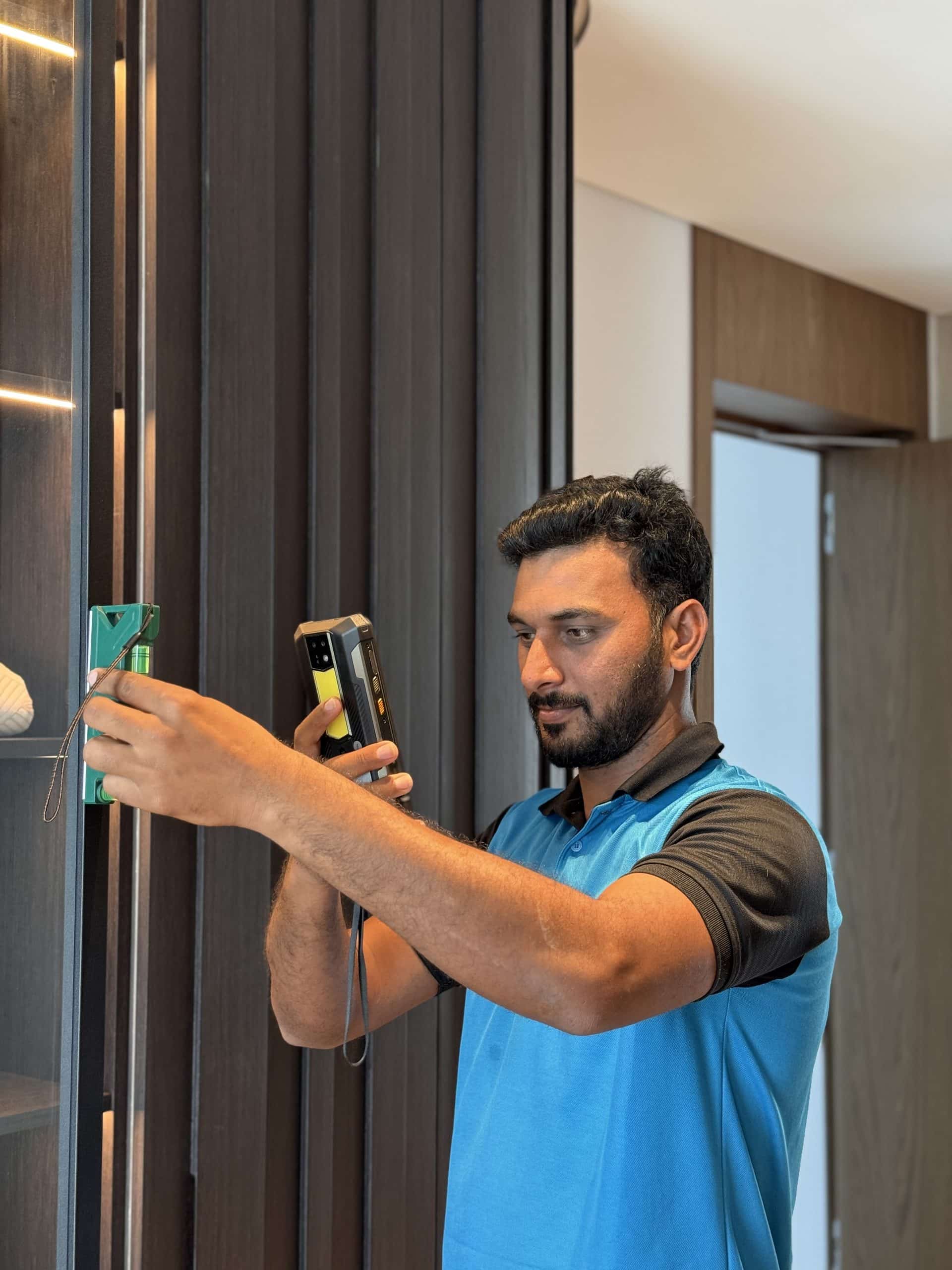
Buying a home is a substantial investment. In the excitement of moving to a new location, it’s easy to overlook mundane aspects. Arranging property snagging Dubai buyers can rely on before possession helps you catch workmanship, drainage, installation and other defects that aren’t obvious at first.
A house can look perfect and still need correction before you take possession. Some issues are simple to spot, such as damaged tiles and paint. Others only become apparent when you use the item or look at it more closely, such as the AC, drainage, exterior or joins in fittings. The builder should correct these issues before delivering the furniture and allowing occupants to move in.
A good inspection does not expect perfection in the property. Instead, it assesses the general condition, records problems, and allows the developer to address them before handover.
Why Finished Houses Require a Snagging Inspection
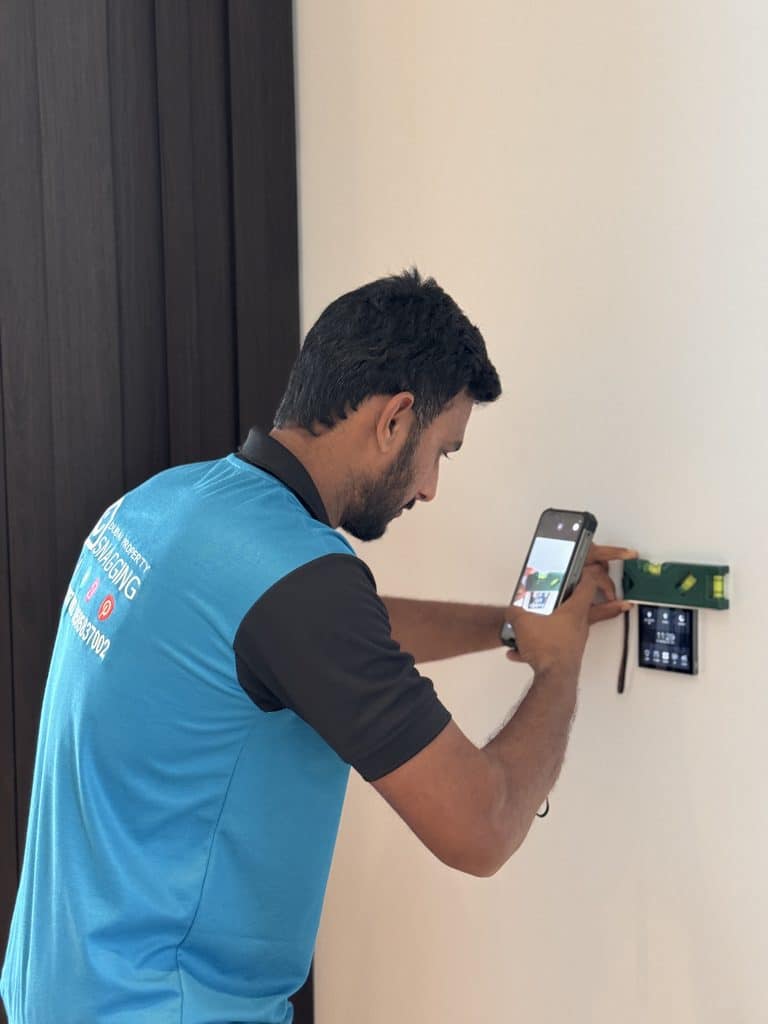
First-time property buyers often misjudge what lies beneath appearances. Many buyers assume that good appearances mean everything beneath the surface is in order.
A window may look fine, but seals can be faulty. The bathroom may have perfect tiles yet a leaking floor that soaks the carpet. The AC may not cool the room even when it switches on. We must test all these issues and more before declaring them finished and ready for handover.
Rather than focusing on the state of the fittings it is better to think about how they operate. Some will require more extensive testing depending on the issue suspected, a superficial inspection will not reveal everything.
Walls and Ceilings – Look Closer Than the Paint Allows
You can easily spot painting faults, but you should closely examine the walls and ceilings to identify issues. Inspect the corners and ceiling edges. Check windows and AC vents for cracks, stains, or discolored patches. Take particular care to note any damp or oddly shaped patches. They can be the result of many issues, not just one. The mark does not identify the problem. It is best to have it investigated rather than painting over it to hide it.
Fit the ceiling access panels correctly and ensure there are no gaps around service openings. Contact the appropriate professionals to report sagging, cracks, or active leaks so they can undertake remedial action.
A competent inspection service in Dubai will recognize the difference between cosmetic faults and issues needing further investigation. This enables you to report accurately to the developer rather than assuming the worst in every case.
Windows and Doors – Test Before Trusting
Open and close all the windows and doors to make sure that they operate freely and have functioning locks. Check for damaged seals, gaps in the frame, handles that are loose, faulty hinges, scratched glass, and fitting problems. Examine the meeting point of the frames to the walls for any gaps or moisture.
A poorly sealed window lets air or water infiltrate the property. This depends on the conditions. A superficial inspection will not show whether it is watertight. If you suspect a fault, note its location for further testing. Remedial work should follow if required.
Test the entrance door to ensure it closes correctly. Verify that all locks function properly and that there is no damage. These are all minor issues but can affect the operation of the property and occasionally safety.
Plumbing and Drainage
When the house is empty, plumbing problems often hide. People usually notice leaks only when water runs. We test drains only when they are in use. Additionally, observe taps to confirm fixtures are behaving as expected. If it is safe and you have connected the water, turn on the taps and observe the results. Inspect basins, sinks, and showers for drainage issues. Look for signs of slow drainage, gurgling, dripping, or unintended pooling. Do this for every fixture. Check underneath the sinks and around the toilet for signs of moisture or leaks. Note any unpleasant smells or odd-looking stains. There is no need to assume that a lack of ventilation is the cause of all damp smells.
Maintenance teams can inspect balconies and terraces for pooling water at the edges or around the drainage outlets. Stagnant water is not necessarily a problem. The location and distance it travels will be vital information for whoever is handling the maintenance requests.
Plinth Protection Deserves Attention too
Plinth protection is an external feature that runs along the base of buildings in some properties in Dubai. Its construction and presence depend on the individual requirements of the villa or apartment. Location and general use also influence it. Its general function is to reduce the effect of the elements on the building. When inspecting the outside of the property, check the visible face of the plinth protection. Take note of any exposed edges and whether the plinth protection is level with other surfaces.
On the ground, examine the drainage and its proximity to the building. If there is regular water accumulation, report it as an issue if the maintenance is not to your standard.
Avoid concluding about the wear and tear cause. Document all visible issues and advise on further inspection if necessary. These issues can affect both the appearance of the property and its ability to withstand the elements. They are of particular interest to villa or ground-floor owners who have access to most of the plinth protection. The specific items that require attention depend on the layout and the level of the inspection.
Floors, Tile Joints, and Wet Areas
When we furnish the property, we must correct many potential issues on the floors. Walk across all floor areas. Inspect the tiles for cracks, note any chipped edges, and identify other surface faults. Pay particular attention to transitions and joints around the kitchen and bathrooms. Ensure that the sealant is not missing or worn. Inspect accessible surfaces for water damage and ensure water drains away from the building when fixtures are in use.
Examine the transitions between floor tiles, skirting, door frames, and balcony thresholds. Faulty transitions can be a telltale sign of other issues.
A superficial inspection does not identify all the possible problems with the waterproofing or construction beneath the surface; if suspicions arise, inspectors should recommend further inspection.
Air Conditioning and Electrical Fixtures
In the local climate it is hard to imagine living without the AC. Not only that but it is a major expense so it is worth checking it is operating to its full potential. Once utilities are connected, turn on the unit with the controls and let it reach the target temperature. Make sure that the air coming from the vents is cool, that the unit is not faulty, and that there are no strange smells or condensation around the visible parts of the AC. Check the vents for damage, loose fittings, staining around the ceiling vents, and abnormal noise from the unit itself. If the AC is not performing adequately or there is water damage around it, note the issue and recommend inspection.
Electrical fittings require similar attention. Test the accessible lights and switches and report any that are faulty. Look out for cracks in the socket covers, faulty face plates, or sockets that are missing their covers. Avoid removing electrical fittings, inspecting the live electrical wires, or opening up consumer boards during a snagging survey. If there are any electrical fittings that appear to be faulty it is best to leave it to the professionals.
Kitchens, Cabinets, and Installed Equipment
Faults in the kitchen extend beyond just the worktops. Make sure to open all the cabinet doors and drawers and check that everything fits together correctly and that there are no signs of damage. Look for faulty hinges, chipped edges, and other signs of poor installation or finishing. Check the sealant around the sink and worktop, particularly where water might infiltrate the space. If the water is on, test the taps to make sure that there are no leaks where the fixtures are accessible.
If the kitchen appliances came with the property make sure that they are all installed correctly and operate normally if it is safe to do so. Report any that are not working correctly.
Treat built-in wardrobes and storage like kitchens, confirming shelves, handles, and doors fit, and internal surfaces meet your standard.
These inspections ensure the installed equipment operates normally and that we highlight any issues before handover.
What a Professional Snagging Inspection Should Include
A professional survey follows a systematic process rather than just wandering around the property making random observations. The surveyor will traverse the accessible parts of the property testing what they can and noting all the faults for later correction. The survey will depend on the type of property being inspected, whether it is an apartment, a villa, or a townhouse.
It can include items such as finishes, doors, windows, plumbing, electrical fittings, AC, wet areas, and balcony inspections as well as the external elements such as the plinth protection if it is accessible. Surveyors can use various equipment for specific purposes and a comprehensive inspection will not necessarily use a particular tool for every possible fault. Ask about what equipment and testing methods are included, what is excluded, and whether additional machinery is required for specific tasks.
A competent report will state all the issues clearly and include pictures if they aid in explaining the problems. That way, the developer or the relevant party knows exactly what needs to be addressed without confusion.
Choosing a Snagging Company in Dubai
Selecting a snagging company is no less important than the property itself. Avoid choosing the cheapest option blindly and ask around about how the survey is going to be performed and what you will get out of it. Ask whether the company has experience with the type of property you are buying, whether the survey includes the exterior if applicable, and whether the report will have clear descriptions and pictures. Ask how the company handles issues that require specialist intervention and whether they can return to finish the survey if there are problems. Make sure to get everything in writing including what is and is not going to be covered and how long the survey may take.
A cheaper survey may not have as many benefits as one that is more expensive but goes into greater detail. Comparing notes can be informative.
If you want snagging companies that Dubai buyers can trust, it comes down to choosing one that is not trying to promise everything under the sun but will give an honest appraisal based on the actual state of the property.
Following a Snagging Survey
When the survey is complete, go through the report to make sure that the findings are clear and that all the affected areas are stated. Make sure to use the correct handover procedure if there is one and that a copy of the report is kept along with the developer’s response if there is one. Ask for clarification if an issue is marked as resolved but the description does not seem to match the actual state of the property.
Having the repairs completed, return to the areas that were accessible and make sure that the reported issues are indeed resolved. A repaired wall should be checked to see if the original problem persists, and a plumbing job should be seen to operate under normal conditions if it is safe to do so. If there are still concerns make sure they are noted and followed up on in writing.
The correct procedure for filing reports and rectifying issues will depend on the purchase agreement, the stage of handover, and the procedures of the developer. It is best to refer to the relevant documentation and seek professional assistance if there is uncertainty about the expectations and obligations of either party.
A Comprehensive Inspection Makes for an Informed Possession
A new property can look stunning but will require a number of faults to be rectified before it becomes truly inhabitable. Windows that are sealed but do not open, drains that are slow, uneven plastering, and issues with the plinth protection are just some of the problems that will benefit from a little extra attention before a buyer moves in. A professional survey provides an unbiased set of eyes that will perform a systematic inspection of the property using the necessary tools and testing to identify the faults. Whether it is a property snagging Dubai buyers can request or a more comprehensive home survey, the basics will be similar but the extent will depend on the building type and the specific issues that the owner wants to highlight.
When arranging property snagging Dubai companies can offer ahead of possession the objective is usually to understand the true state of the property, report the issues accurately, and allow the relevant party to correct them using the appropriate procedures. It is not always possible to know that a house will be completely free of faults, but a snagging survey minimizes the risks and provides a more informed perspective for making the final decision.