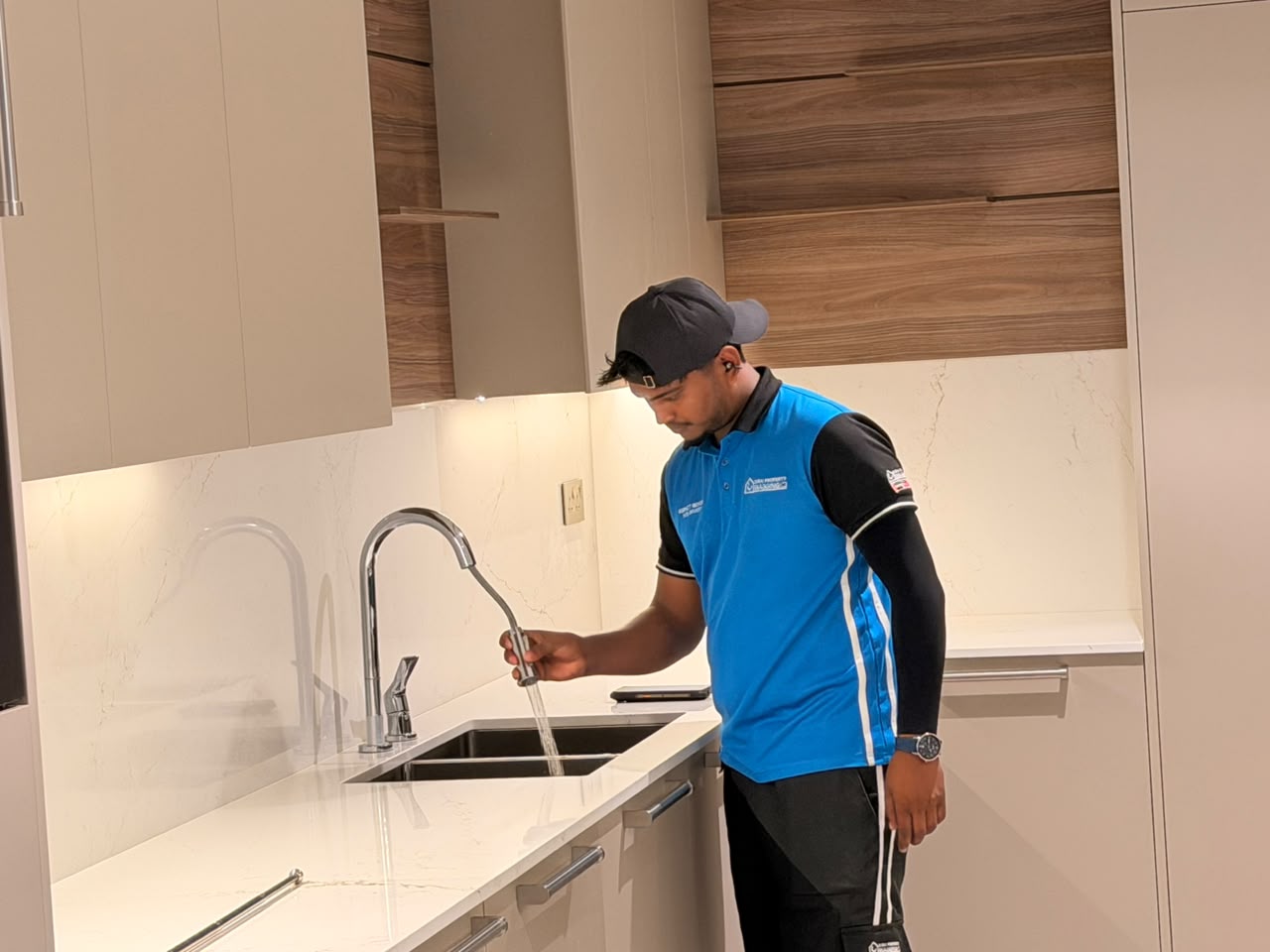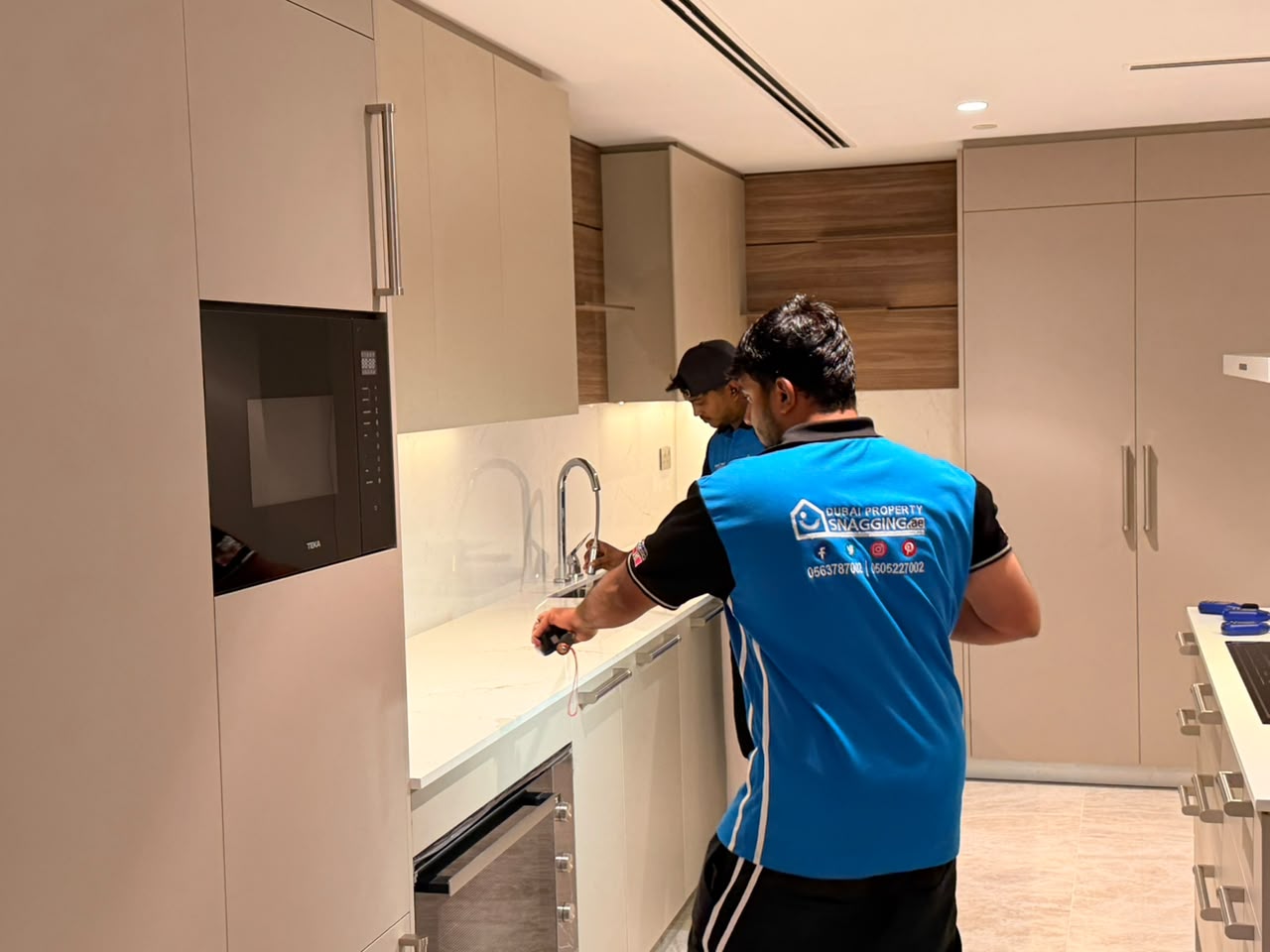
Generally speaking, this is true. Even new properties in Dubai often have issues, and people often cannot spot many of them by sight. An expert snagging business will identify any problems during the period when the developer is still accountable for them. Therefore you do not have to cover the costs of rectification. Snagging often costs a small percentage of what you could pay to repair a single neglected problem, like a hidden water intrusion or insufficient waterproofing.
Fairly so. You recently bought a brand new property and saw the impressive model flat. Thus, the property appears immaculate and brand new. So why would you then need to pay for an inspection of something which has never even been occupied?
We hear this question almost every week. After more than 10 years and over 98,000 inspections, our answer is based on what we actually find inside new homes, not on a sales pitch.This article explains why newly built homes can still have defects, what a professional inspection reveals that buyers often overlook, and when arranging one is truly worthwhile. If you want to know what a snagging company does day to day, our snagging company Dubai guide covers that in detail.
Why Brand-New Homes Still Have Defects
Although people describe something as ‘new’, it may still have flaws. Many tradesmen, including masons, tilers, plumbers, electricians, air-conditioning engineers, carpenters and painters, help create an apartment or villa. Typically, all of them are trying to complete their part of the project as quickly as possible so that they can deliver it by the agreed hand-back date.
A few things make defects especially common in UAE new builds:
- Speed and scale. Developers often hand over hundreds of units in one batch. Quality checks get stretched thin, and small mistakes slip through.
- Finishing hides the work underneath. Fresh paint, gypsum ceilings, and tiles can conceal pipes, cables, and waterproofing. A unit may appear flawless while problems remain hidden beneath the surface.
- The climate tests everything. Heat, humidity and the odd heavy storm put stress on sealants, windows, balcony drainage and AC systems. Weak spots that would stay hidden elsewhere show up within one UAE summer.
- Nobody has used it yet. Nobody has run every tap, filled every bath or kept the AC on all night. Many faults only show up once the home is actually in use.
That’s why new build snagging isn’t about doubting your developer. Even good developers hand over homes with snags. The question is whether you find them before handover or after you’ve moved in.
What Property Snagging Finds That Buyers Usually Miss
Generally people inspect properties themselves when they move in and will identify visible issues, such as cracks in the floor or tiles and doors that do not shut. Although important, these are relatively simple to recognize. Specialist property snags investigation is more in-depth and enables people to analyses less visually asses sable components.
Here are the kinds of defects our inspectors regularly find in brand-new Dubai homes:
- Hollow tiles. Tiles that sound hollow when tapped weren’t bedded properly. They often crack later, and replacing them once furniture is in is a real headache.
- Hidden moisture and leaks. A FLIR thermal imaging inspection can show damp areas behind walls and under floors that look completely dry. Early water leak detection at handover is far cheaper than dealing with damage once you’ve moved in.
- Poor drainage slopes. Showers and balconies that don’t drain toward the outlet, leaving standing water that eventually seeps through.
- Electrical faults. Dead sockets, reversed polarity, missing earthing and wrongly labeled breakers. These are safety issues, not cosmetic ones.
- AC problems. Units that don’t cool properly, leaking condensate lines, or missing insulation on ducts. Thermal imaging often picks up air leaks around the ducts.
- Window and door seals. Gaps that let in dust, heat and rainwater, and push up your cooling bills.
- Waterproofing failures. Wet areas, balconies and roof terraces that fail a flood test.
In a typical new apartment, a thorough inspection often finds dozens of snags. In a large villa it can be well over a hundred. Most are minor, but it only takes one or two serious ones to make the inspection worth it many times over.
DIY Snagging vs Hiring a Snagging Company in Dubai
You can absolutely snag your own home, and some buyers do. But it helps to be honest about what a DIY check can and can’t cover.
| DIY walk-through | Professional snagging company | |
| Visible defects (scratches, chips, paint) | Usually found | Found and documented room by room |
| Hollow tiles | Often missed | Every floor and wall tile tapped |
| Hidden moisture and leaks | Rarely found | Thermal imaging and moisture meters |
| Electrical safety | Light switches only | Every socket tested for power, polarity and earthing |
| AC performance | “It feels cold” | Outlet temperatures measured, drains and ducts checked |
| Waterproofing | Not tested | Flood tests on wet areas and balconies |
| Report for the developer | Phone photos and notes | Clear report with photos, locations and descriptions |
| Time needed | Half a day of your own time | 2 to 6 hours, report on the same day |
The last two rows matter more than people expect. Developers respond faster to a clear, professional report than to a list of phone photos. If you want to see what that looks like, have a look at our sample snag report.
What It Really Costs to Skip Property Snagging in Dubai
The main reason to snag before handover is simple: timing decides who pays.
Most sales contracts in Dubai will contain a Defects Liability Period (DLP) stipulating that, typically 12 months after handover, the developer is obliged to rectify any issues with the quality of construction. More importantly, UAE legislation also extends liability for major structural issues. However, it is generally most straightforward to pursue remediation prior to key collection as this is when the developers’ staff are still present. Handover is also dependent on this stage.
Once you’ve moved in, things get harder:
- The developer may argue that a defect was caused by you or your tenant.
- Repairs mean contractors in your home, moving furniture and cleaning up afterwards.
- If the DLP runs out before you notice a problem, the repair is your cost.
- If you rent the unit out, every repair visit disturbs your tenant and can affect renewal.
A hidden leak that damages a kitchen, or a failed shower waterproofing that spreads into the bedroom wall, can easily cost far more than the inspection itself. Our snagging cost and value guide breaks down typical inspection fees against common repair costs.
If you’ve already moved in without snagging, don’t panic. A DLP inspection before your warranty period ends gives you one more chance to report defects while the developer is still responsible.
So, Is There Ever a Case Where You Don’t Need One?
We’d rather give you an honest answer than a sales pitch. A professional inspection matters less when:
- You have a building or MEP background yourself, own the right tools, and have a full day to spare for a careful inspection.
- The property is a small studio with very few fittings, and you’re comfortable accepting some risk.
- You’re doing a quick resale and the buyer is getting their own inspection anyway.
Many even qualified buyers will commission an independent survey. Developers place greater importance on a 3rd party surveyor’s findings than those of the property owner. In general (particularly for first time buyers, households moving into a villa and those letting their unit) the cost is well recovered through the value gained from the survey.
Who Benefits Most From a Snagging Inspection?
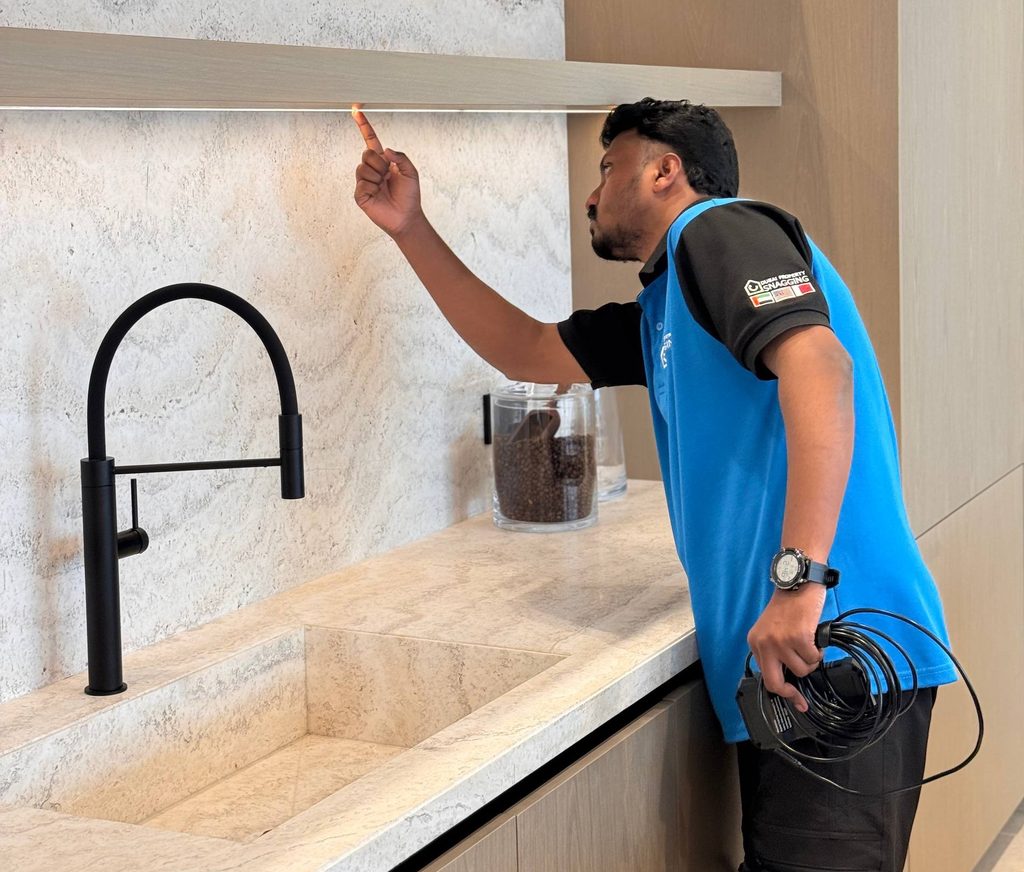
First time purchasers
You may well have no experience of what a hollow tile is and you will be unfamiliar with the correct gradient of a shower floor. Again, this is entirely normal and is why you are employing an inspector. Where possible, try and attend the inspection. Inspectors are usually very good at explaining things to you and so you will gain a much greater understanding of your future house.
Off-plan buyers
Off-plan homes are often handed over in large batches with tight timelines. Knowing when to inspect, and what to do with the report, makes a big difference. Our off-plan buyers guide walks through the steps before and after handover.
Investors
Snagging is important to investors.Poor wiring, slow-leaking faucets, and/or inadequate air conditioning can all cause tenant complaints and require additional repairs. Most seasoned investors arrange for all their units to be snagged.
Real Estate Agents
If an agent refers their clients to a reliable snagging business then they develop good rapport. This lowers the quantity of post-handover trouble calls and demonstrates your genuine concern for your clients’ long-term contentment.
Across all seven emirates
New communities are being handed over across the country, not just in Dubai. The same advice applies whether you’re buying in Abu Dhabi, Sharjah, Ajman, Ras Al Khaimah, Umm Al Quwain or Fujairah. Coastal projects need extra attention on window seals, balcony drainage and corrosion of metal fittings because of the salt air and humidity.
How a Snagging Inspection Works, Step by Step
- Book once you get the handover notice. Developers usually give you a window to inspect before signing. Book early, because inspectors get busy during big handover batches.
- The inspection. Inspectors go through the home room by room, testing every system. An apartment usually takes 2 to 3 hours. A villa can take most of a day. Our apartment snagging and villa snagging pages explain what’s covered for each.
- The report. You receive a detailed report with photos, locations and plain descriptions, ready to send to the developer. Ours usually arrives within 6 hours.
- The developer fixes the snags. You or your agent submit the report and the developer’s team carries out the repairs.
- De-snagging. A follow-up visit confirms the repairs were actually done properly. Here’s how snagging vs de-snagging compare.
How to choose the right snagging company in Dubai
Not all inspections are the same. Before booking, check that the company:
- Holds a valid trade license, ideally with recognized credentials such as being RERA approved and having InterNACHI certified inspectors
- Uses thermal imaging and moisture meters as standard, not as paid extras
- Can show you a real sample report before you book
- Sends qualified engineers, not general helpers
- Gives a clear written quote, with VAT included
Be cautious with very cheap, rushed inspections. A one-hour inspection of a four-bedroom villa will miss things, and missed snags are exactly what you’re paying to avoid.
Frequently Asked Questions
Are there issues with new properties in Dubai?
Yes. Hollow tiles and inadequate drainage are examples of surface and underlying problems that are common in properties. Water and electrical problems are also frequent.
When should I arrange a snagging survey in Dubai?
Immediately upon receiving either a handover or inspection request from the developer. It should be carried out prior to signing handover paperwork.
Can I carry out a survey myself?
Whilst you can survey the property for surface issues, underlying issues including dampness, water and electrical problems and failed waterproofing require specialist equipment and knowledge to investigate.
What if I am already in my property?
A survey can be scheduled during the defects liability period even after occupancy. Typically, it is the developers responsibility to rectify any issues relating to the properties workmanship within this period.
How long does a snagging survey take?
An apartment can usually be surveyed in 2-3 hours. Surveys for larger villas can take up to a day.
Is property snagging available throughout the UAE?
Yes. We survey properties in all 7 emirates including Dubai, Abu Dhabi, Sharjah, Ajman, Ras Al Khaimah, Umm Al Quwain and Fujairah.
The Bottom Line
Is it necessary to appoint snagging surveyors in Dubai? Typically yes. Although developers do not tend to be negligent, houses are built so quickly that ‘snags’ can occur. The key factor is whether these snags are identified during the time that the developer is still responsible for them or once you have moved in – where the responsibility may then fall to you.
An ideal snagging survey provides an understanding of your property, a respected report for the developer and reassurance on the day that you move in. Here are some examples of issues that we commonly identify in actual properties: Browse our case studies.
Book an inspection or WhatsApp us on +971 56 378 7002. We’re available 24 hours a day and cover all seven emirates.