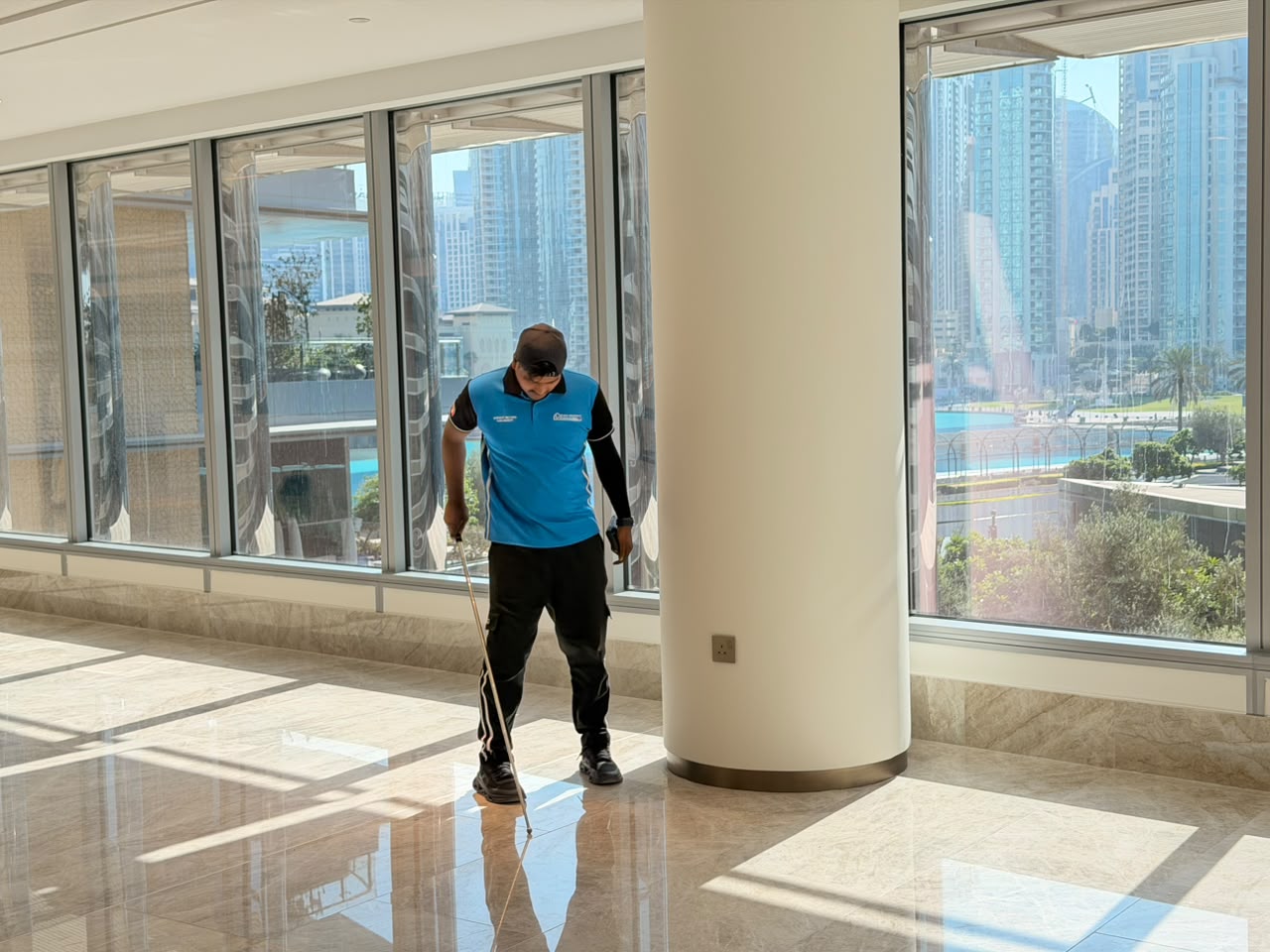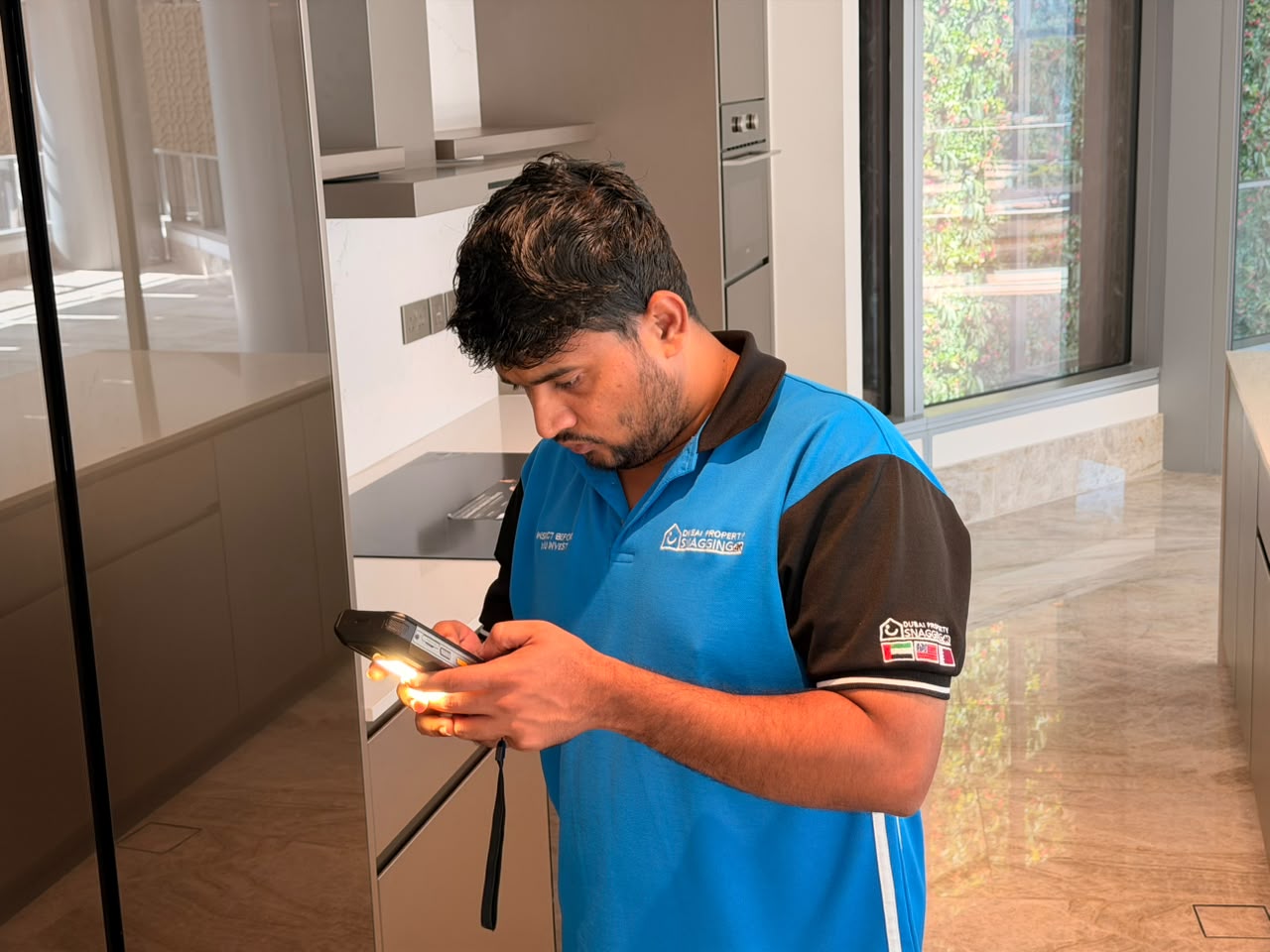
It’s likely that your new house wasn’t as “finished” as it appeared if you picked up the keys in 2026. Moreover, the same flaws appeared in project after project during the year our inspectors toured Dubai, town homes, and villas. More than fifty of them are listed in this post. Some are minor, such as a missing silicone line or a loose hinge. If inspectors miss them before the developer’s liability term expires, leaks or balcony flaws could cost thousands of dirhams. Whether you’re a first-time buyer, an investor with several units, or an agent who wants happier clients after handover, this is what property snagging in Dubai really looks like on site. If you’re completely new to the idea, start with our short guide on what property snagging is, then come back here.
Why 2026 Handovers Came With So Many Snags
Many of the properties that Dubai turned over in 2026 were off-plan units that had been sold during the boom of 2022 and 2023. Finishing work becomes hurried and quality inspections become less thorough when so many units are completed in a short amount of time. However, that isn’t a critique of any particular developer. As a result, it’s just the way things go at this speed.
Additionally, three issues appeared repeatedly during our inspections:
- Rushed final finishing. Paint, silicone, grout and joinery were often the last jobs done, and the most hurried.
- Systems not tested under load. AC units were installed but not balanced, and drains were fitted but never flood-tested.
- Subcontractor hand offs. Gaps appeared where one trade ended and another began, such as the joint between a tiled wall and a window frame.
The good news is that nearly all of these are the developer’s responsibility to fix, as long as they’re documented before you sign. That’s exactly what handover snagging is for.
The 50+ Defects Our Inspectors Found in 2026 Handovers
Here’s the full list, grouped by area so you can follow it room by room. Additionally, each one came up repeatedly in real 2026 inspections.
Walls, ceilings and paint
- Hairline cracks at wall and ceiling joints
- Uneven or patchy paint, especially around switches and corners
- Paint splashes on tiles, glass, sockets and joinery
- Visible gypsum board joints or screw heads in ceilings
- Damp patches or bubbling paint, a common sign of a hidden leak
- Poorly finished access panels in false ceilings
- Gaps between skirting and walls
- Out-of-plumb walls that make wardrobes and doors look crooked
Flooring and tiling
- Hollow tiles that sound empty when tapped, and crack later
- Lippage, where one tile edge sits higher than the next
- Chipped or cracked tiles hidden under furniture positions
- Missing, cracked or uneven grout
- Inconsistent tile shades from different batches
- Scratched or stained marble and parquet
- Missing expansion gaps at floor edges
Doors, windows and glazing
- Doors that drag on the floor or won’t latch
- Misaligned or loose hinges and handles
- Sliding balcony doors that are hard to move or don’t lock
- Broken or missing window and door seals
- Scratched glass and leftover protective film
- Missing safety stoppers on upper-floor windows
- Gaps around window frames that let in dust and rain
Plumbing and drainage
- Low water pressure in upper-floor bathrooms
- Hot water that takes too long to arrive or never gets hot
- Slow or blocked floor drains
- Reverse slopes in showers, so water pools away from the drain
- Loose or leaking connections under sinks
- Toilets that rock or aren’t sealed to the floor
- Missing or failed silicone around basins, tubs and shower trays
- Bad smells from drains, usually missing water traps
Waterproofing and hidden leaks
- Moisture behind shower walls picked up by FLIR thermal imaging
- Balcony drains set higher than the floor around them
- Roof terrace waterproofing that failed a flood test
- Leaking concealed pipes found through water leak detection
- Water coming in at window sills during rain tests
- Damp in walls shared with neighboring bathrooms
Electrical
- Dead sockets and switches
- Reversed polarity or missing earth at sockets
- Distribution board breakers that don’t match their labels
- Loose face plates and exposed wiring
- Lights that flicker or don’t work
- Missing or non-working smoke detectors
- Outdoor sockets without weatherproof covers
Air conditioning
- Rooms that don’t cool to the set temperature
- Leaking or blocked AC condensate drains
- Air leaks around ducts and diffusers that show up on thermal cameras
- Noisy fan coil units
- Thermostats that are wired to the wrong zone
- Dirty filters and construction dust in ducts
Kitchen, joinery and fittings
- Cabinet doors that don’t line up or close softly
- Swollen or water-damaged cabinet bases under sinks
- Worktop joints that are visible or unsealed
- Appliances that are missing, damaged or not connected
- Wardrobe shelves and rails that aren’t fixed securely
Safety and external areas
- Balcony railings that are loose or below safe height
- Sharp edges on metalwork and glass
- Signs of pests found during pest snagging, such as droppings in ceiling voids
- Cracked external render and gaps in boundary walls on villas
- Poor garden drainage that sends water toward the house
Want to see how these look in a real report? Take a look at our sample snag report.
Which Defects Matter Most?
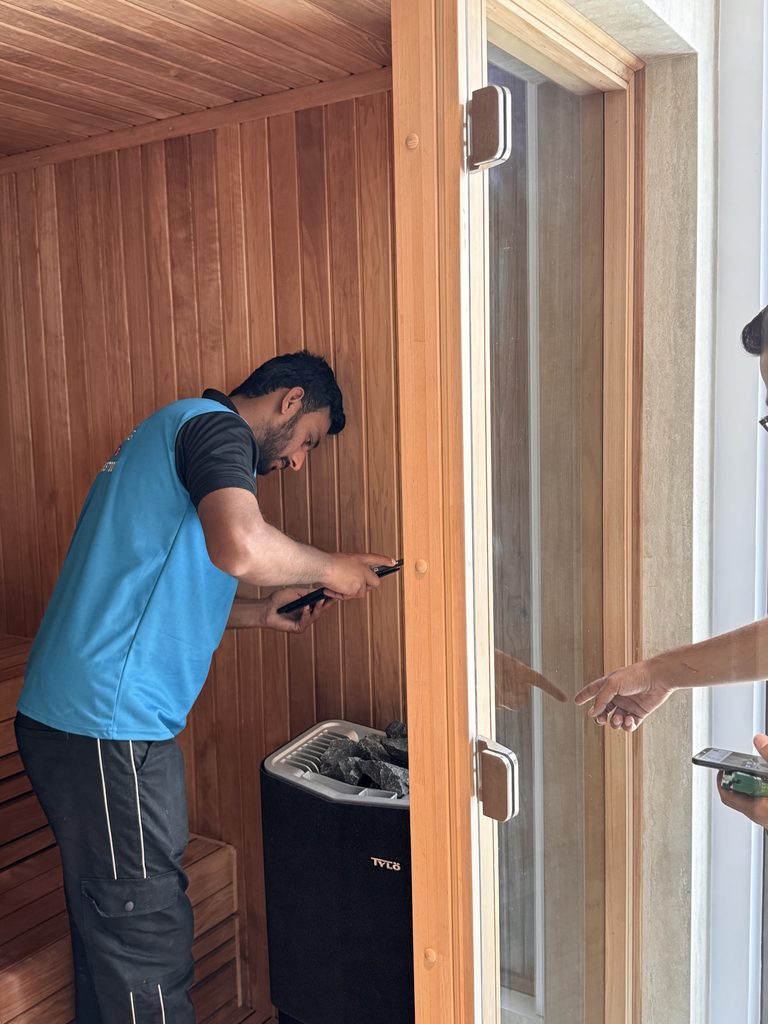
Not every snag is equal. A paint splash is annoying. Moreover, a hidden leak can damage your flat and the one below it. In terms of priority, our inspectors rank them this way:
| Priority | Typical defects (numbers from the list above) | What happens if they’re missed |
| High: fix before you move in | Hidden leaks and failed waterproofing (31–36), reverse shower and balcony slopes (26, 32), electrical safety faults (38, 40, 42), loose railings (55) | Water damage, mold, safety risks, and disputes with neighbors or the building |
| Medium: affects daily comfort | AC not cooling (44–48), low water pressure (23–24), doors and windows not sealing (16–22), hollow tiles (9) | High DEWA bills, dust, noise, and cracked tiles a few months later |
| Low: cosmetic but still claimable | Paint, grout, scratches and alignment (1–4, 10–14, 50–52) | Looks poor and lowers resale or rental appeal |
Moreover, the high-priority group is where professional property snagging earns its fee. These problems are almost impossible to spot on a normal walk-through, because you need a thermal camera, a moisture meter and a proper water test to find them. You can see real examples in our case studies, and more defect data in our Intelligence Hub.
Beyond Dubai: What We Saw Across the Seven Emirates
Most of our 2026 work was property snagging in Dubai, but the same patterns showed up across the UAE, with a few local twists:
- Abu Dhabi: Waterfront towers on Yas, Saadiyat and Al Reem had more window seal and balcony drainage issues, because humidity and sea air are hard on sealants. See property snagging in Abu Dhabi.
- Sharjah: In big new family communities, plumbing pressure and AC balancing came up most. See Sharjah snagging.
- Ajman: Affordable freehold towers often had more finishing defects such as paint, grout and joinery. See Ajman snagging.
- Ras Al Khaimah: Beachfront projects showed early rust on metal fittings and external railings. See RAK snagging.
- Fujairah and Umm Al Quwain: Coastal villas needed close checks on roof waterproofing and storm drainage. See Fujairah and Umm Al Quwain.
Wherever the property is, the checklist is the same. Local conditions just tell our inspectors where to look first.
Snagging 2027: How to Prepare for Your Handover
Another big wave of handovers is due in 2027. If one of them is yours, here’s how to avoid the problems 2026 buyers ran into:
- Book early. Line up your inspector as soon as the developer sends the handover or inspection notice. Good inspectors get busy during peak handover months.
- Inspect before you sign. A pre-handover inspection gives you the most leverage. Once you’ve signed, it’s harder to argue that a scratch or crack wasn’t caused after you moved in.
- Make sure power and water are on. Inspectors can’t test AC, plumbing or electrics without them. Ask the developer to confirm both are connected on the day.
- Choose the right inspection for the property. A studio and a five-bedroom villa need very different time and equipment. We have dedicated apartment snagging and villa snagging services.
- Book a de-snagging visit. When the developer says everything is fixed, a de-snagging visit confirms it really is.
- Use your defects liability period. Problems can show up after your first summer. A DLP inspection before the warranty ends is your last chance to have the developer fix them for free.
For the full step-by-step process, read our Property Snagging Dubai 2027 guide. If budget is on your mind, our snagging price guide breaks down costs by property type.
Why Buyers and Agents Choose Dubai Property Snagging
We’ve built our inspections around the defects listed above, so nothing on that list gets skipped.
- 400+ checkpoints in every inspection, from the DB board to the balcony drain
- FLIR thermal imaging and moisture meters as standard, not as paid extras
- A clear, photo-based report delivered within 6 working hours, ready to send to your developer
- Certified team: DED licensed, RERA approved and InterNACHI certified inspectors
- All seven emirates covered, from Dubai Marina to Fujairah
For agents: recommending a proper inspection protects your reputation long after the deal closes. Many agents in Dubai now include our handover snagging as part of their client service.
Book your 2027 handover inspection
Don’t let any of these 50+ defects become your problem. Book your inspection online, or call or WhatsApp us on +971 56 378 7002. We’ll confirm a slot that fits your handover date.
Frequently Asked Questions
What is the most common defect in Dubai handovers?
In our 2026 inspections, finishing defects such as paint, grout, silicone and hollow tiles were the most frequent. The most expensive were hidden leaks and failed waterproofing in bathrooms and on balconies.
How many snags does a new apartment usually have?
It varies a lot by project, but it’s normal for a brand-new apartment to have dozens of snags, and villas often have well over a hundred. Most are minor, but a few can be serious.
Is property snagging in Dubai worth it for a new build?
Yes. A new build is when snagging matters most, because the developer is still responsible for fixing everything you document before handover and during the defects liability period.
When should I book snagging for a 2027 handover?
Book as soon as you receive your handover or inspection notice from the developer, and always before you sign the handover documents.
Can I do the snagging myself?
While you can spot obvious visible defects on your own, professional instruments like moisture meters and thermal cameras are required to spot hidden issues including leaks, poor slopes, electrical issues, and AC air leaks.
Do you cover areas outside Dubai?
Yes. Additionally, we inspect properties in all seven emirates: Dubai, Abu Dhabi, Sharjah, Ajman, Ras Al Khaimah, Fujairah and Umm Al Quwain.